Music: Shaping Childhood Identity
## Growing Up in Rhythm: Music as a Socialising Agent in Early Childhood Identity Formation When we think about our childhood, chances are a nostalgic song p...
## Growing Up in Rhythm: Music as a Socialising Agent in Early Childhood Identity Formation
When we think about our childhood, chances are a nostalgic song pops up in our mind even before the memory comes in; it can be a lullaby our mother had hummed, a nursery rhyme or even a silly little song(Music) that we made with our friends in hopes of starting a band with them. Not merely passing time, those notes shaped reactions. They guided actions without announcing they would. Belonging grew within their rhythm. Loud sounds come before the words do. While small, ears catch tunes that shape how kids see feelings. Because of melodies, connections between people make more sense. Songs carry habits from one generation to another, without saying it outright. Often, rhythm shows identity long before mirrors do. Where rules fail, notes slip in quietly instead. These rhymes and songs were not just for entertainment; they were subtly teaching us more about how we feel, behave and belong to a community at large.
Before kids learn to talk, they already make sounds. Across places and traditions, we can see that adults sing to babies, soft tunes at bedtime, chants during play, and voices rising and falling like waves of the ocean. These melodies become a bridge between adults and children. Imagine a mom humming softly to quiet her child. It’s not just calming nerves; these moments tend to shape a deeper bond and safety. Those mere sounds then start to mean something here, tied to warmth, a sense of presence, and care. Little by little, through doing things again and again, kids start to notice how emotions show up—how joy might sound in a voice or when heaviness sits in the chest during sorrow and also how a gentle hum can carry reassurance. Sound steps in where words fall short, linking inner sensation with meaning (Nguyen T, Flaten E, Trainor LJ, Novembre G., 2023).
Songs stick because they loop again and again. Because of this looping, young minds catch phrases faster. Rules about how people behave show up in lyrics without warning. Catchy rhythms come in lessons while attention starts wandering elsewhere. Some studies show music helps kids grow emotionally and act kindly toward others, and sometimes even helps them in school. Singing in a group, clapping hands, and moving to songs—these activities teach how one moves together, how people work as one, and moments syncing up without speaking. Music shapes how we share space, one verse at a time. Take call-and-response tunes—they quietly train kids to wait their turn, just like real talks do. These melodies act as small practice rounds for daily conversations. Each line passed back builds rhythm in both sound and connection (Blasco-Magraner, J. S., Bernabe-Valero, G., Marín-Liébana, P., & Moret-Tatay, C., 2021).
Learning Through Observation and Sound Music helps form who we are—Bandura showed this through his ideas on learning. Watching people closely comes before copying their actions, especially in young ones. Imitation follows sight, a pattern seen often in early behaviour (Bandura, A., 1977). Imagine tunes playing. As kids hear melodies, their minds notice actions and watch how people act. Music goes far beyond just notes. Slowly, those looping rhythms start to mould habits, even who they become. A tune can show you how to feel without saying a thing.
Music and Identity: “People Like Me Sing This” It turns out music does something surprising in kids—it helps form who they feel they belong with. When children hear tunes they know, their faces light up if another kid knows the tune too. Familiar notes act like invisible strings pulling them closer. Shared melodies become quiet signals: you’re one of us. Listening together builds unseen bonds stronger than words. Moments around a song create tiny clubs that only some can join. This is how tunes show where someone fits in. Who do you relate to? That kind of thing shapes the sound “Who is like me?” “Who do I connect with?” A tune can say who belongs. When kids recognise the same melodies, connections grow easier. Belonging often follows sound. Familiar lyrics build small bridges of trust. Shared rhythms quietly mark friendship lines. This then begins as the starting point of building trust. From village tunes to temple verses and then playground jingles—sound wraps kids in a sense of place. A beat hums, a voice rises, and belonging follows close behind (Blasco-Magraner JS, Bernabe-Valero G, Marín-Liébana P, Moret-Tatay C, 2021).
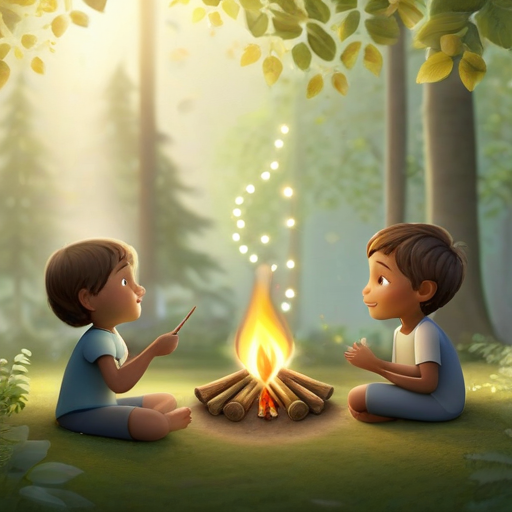
Music in Play Identity Forms Watch kids when they’re playing. Something stands out—singing slips into their games without effort. Storytelling picks it up, then pretend worlds start humming along. Made-up characters speak in melodies. Play grows richer where voices rise. Children often burst into song while playing, studies find. A tune pops up when one acts out being a schoolteacher, repeating something picked up at school. When pretend play turns to family life, another hums a soft melody heard at bedtime. These moments carry quiet signs of how kids absorb rules, roles, and rhythms around them. Playing like this lets kids explore different roles. These small acts of make-believe become quiet assessments of who they might be. A laugh here, a pretend argument there; each one shapes more understanding. Moments that seem aimless often hold the most meaning (Frith, S., 1996).
Who they play at being can hint at who they’re becoming “What does it mean to be a parent?” “What does it mean to be a friend?” “How do people behave in different roles?” Out there, sounds turn into lines kids might try on without risk. Emotions, Empathy, Social Skills Sounds shape how we sense things. Kids who explore tunes start noticing what stirs inside them. Together, kids feel more connected when making music as one. Such moments often help the shy kids open up. The beat that matches between 2 among them can build a sense of trust. Shared sounds, whether voices or drums, can form understanding between children. Those who find talking difficult may sometimes listen better through rhythm instead. This shared experience teaches the following: Empathy (understanding others’ feelings) Cooperation (working together) Belongingness (feeling part of a group)
Starting with a beat, then voices, kids learn how to belong within the space. Moments unfold through rhythm. Notes float between them, building unspoken rules as any group does. A song holds space for trying, stumbling, and belonging. Through sound, discipline feels less like rules, more like rhythm finding its way home How to feel How to interact How to belong What expressing themselves looks like How to understand others Building who they are often comes through seeing where they fit in others’ lives. A person grows by stepping into shared moments (Boucher, H., Gaudette-Leblanc, A., Raymond, J., & Peters, V., 2021). The Quiet Power of Songs A tune arrives without rules. Nobody gathers kids close to explain, “Listen here, this melody builds compassion,” or “These lyrics define who you are.” Still, somehow, they do just that. Songs slip into young minds by being sung again and again, copied without effort, and felt deeply.