
Navigating Struggles: Kids, Vulnerability, and Support
It’s a hard thing, watching a kid struggle. It’s harder still when that struggle feels… big. Not catastrophic, maybe, but significant. A shift, a weight sett...

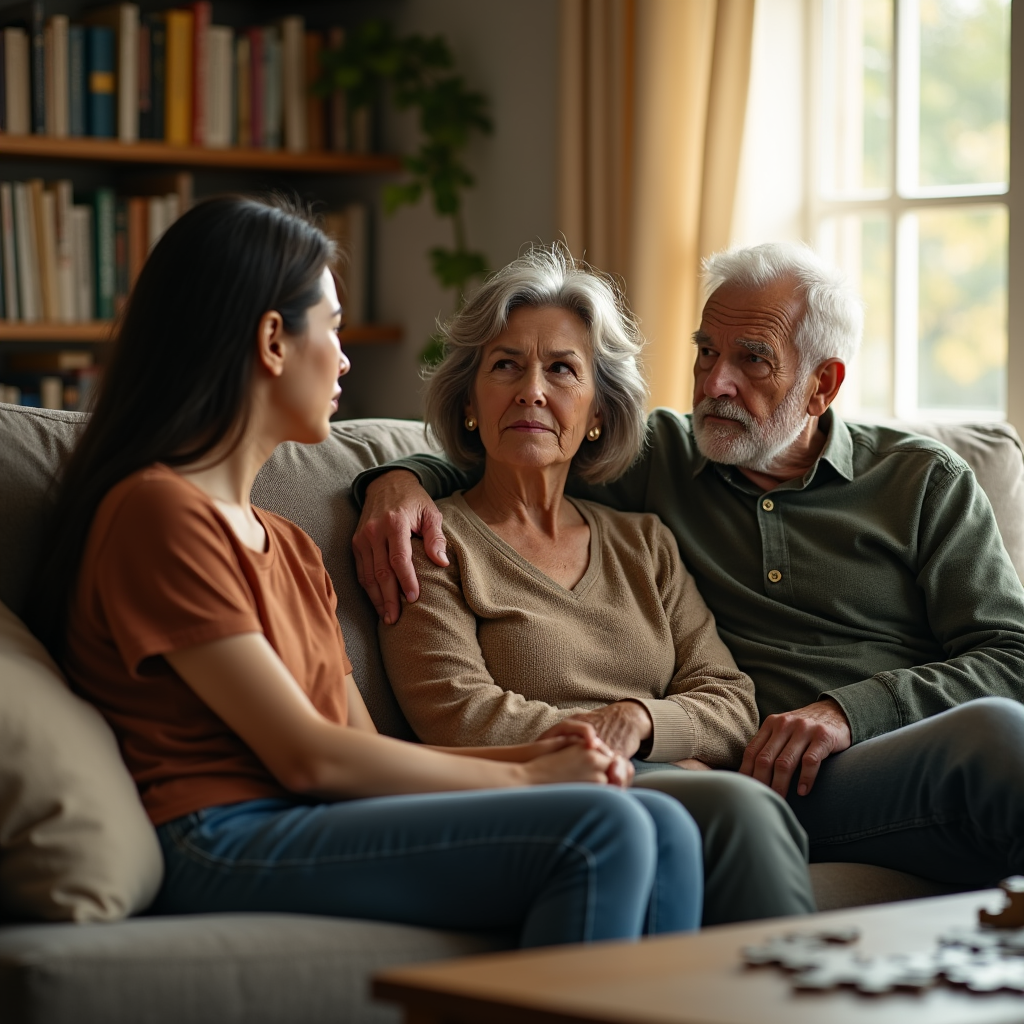
It’s a hard thing, watching a kid struggle. It’s harder still when that struggle feels… big. Not catastrophic, maybe, but significant. A shift, a weight settling in that wasn’t there before. I've seen it countless times as a pediatrician, of course. It’s part of the job. But recently, seeing it play out in my own family – watching my dad recover from his stroke – has made it feel different, somehow more immediate. It's a reminder of how fragile everything is, and how quickly the ground can tilt beneath anyone's feet.
The research on this is pretty clear: difficult times, especially during adolescence, are a risk factor for sadness, for feeling down. We all experience setbacks. We all have moments where things feel impossibly hard. But for teenagers, those moments can be especially potent. Their brains are still developing, they’re navigating incredibly complex social dynamics, and they’re desperately trying to figure out who they are. Add a major loss, a family disruption, a crisis at school – it’s a lot to carry.
What strikes me, though, is the way that those experiences tend to affect boys and girls differently. Boys, often, withdraw. They get quiet, they might become irritable, they might shut down. They're told to be strong, to “tough it out,” and sometimes, that just means internalizing everything. Girls, on the other hand, sometimes seem to… blame themselves. They question their worth, their abilities. They internalize the message that they’re somehow responsible, that they’re *bad* because bad things happen. It's a delicate balance, and one that can be profoundly damaging.
My middle child, Claire, has been having a rough time at school. Some social shifts, a change in friend groups. It's the kind of thing that seems small to an adult, but can feel like the end of the world to a thirteen-year-old. She's always been a sensitive kid, a real feeler. And lately, she's been saying things that just break my heart. “I’m just not good at making friends,” she’ll whisper, her voice thick with unshed tears. “I always mess everything up.” Those aren’t the words of a girl who’s just experiencing a normal social awkwardness. Those are the words of someone who’s starting to believe something fundamentally negative about herself.
It makes me think about my dad, too. He’s always been so proud, so capable. Seeing him vulnerable, needing help with things he used to do effortlessly, it’s been… hard. And I’ve noticed him, too, subtly downplaying his struggles, trying to project an image of strength. I worried, honestly, that he'd be reluctant to ask for support. And that’s just something that our culture reinforces – that needing help is a sign of weakness.
What can we do? Honestly, I don’t have all the answers. But I know, from years of experience, that listening is the most important thing. Really *listening* – without judgment, without offering solutions, just being present and letting them know that they're not alone. Validating their feelings, even when they seem irrational, is essential. Because sometimes, just knowing that someone sees you, that someone *gets* it, can make a world of difference. A friend's daughter recently lost her grandmother unexpectedly. Just sitting with her, holding her hand, letting her cry – that was all that was needed in that moment.
I also think we need to be mindful of the messages we send about strength and resilience. It's okay to be vulnerable. It's okay to ask for help. It's okay to *feel* things, even the really hard things. Especially when those feelings are tied to difficult experiences. My own recent months—driving to Norwood, balancing work and family—were a stark reminder that resilience isn’t about never falling. It’s about getting back up, even when you’re bruised and exhausted. And often, it's about asking for a hand to help you stand.
The truth is, adolescence is a minefield. And sometimes, kids get hurt. Our job, as parents, as educators, as a community, is to make sure they know they're not walking through it alone. It’s to offer them a safe place to land, a steady hand to hold, and the unwavering message that they are worthy, regardless of what they’re going through. Because those self-doubts, those negative beliefs—they can stick around, long after the initial crisis has passed. And that’s something we just can’t afford to let happen.