Notice The World Around You
“Look,” I said to Leo yesterday, pointing up at the robin flitting amongst the rose bushes in our backyard, “just… notice it.” He was predictably absorbed in...

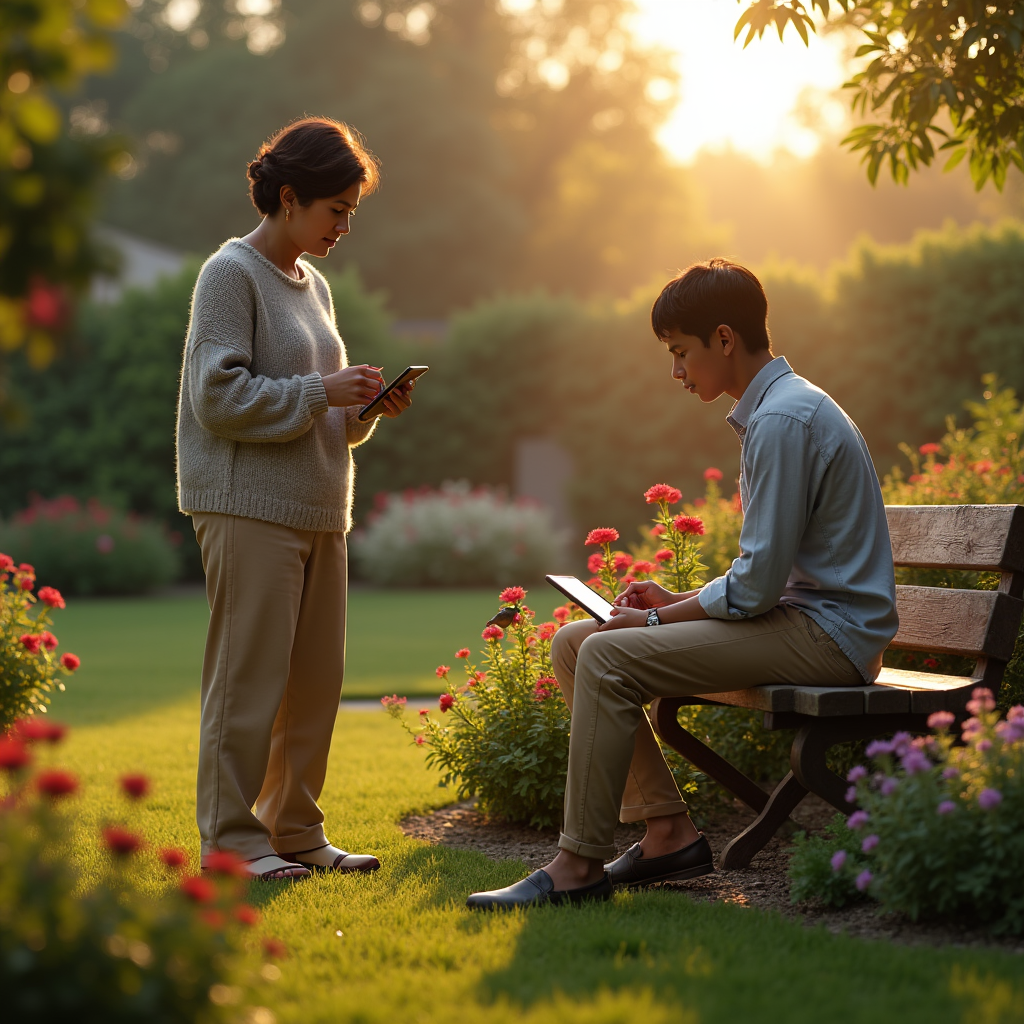
“Look,” I said to Leo yesterday, pointing up at the robin flitting amongst the rose bushes in our backyard, “just… notice it.”
He was predictably absorbed in his tablet, a little lost world unfolding on the screen. It’s funny, isn't it? How easily we can get pulled away. My own kids were like that when they were younger – always chasing the next shiny thing, the newest game, the distraction of endless scrolling. And frankly, I still struggle sometimes. The pull is strong.
I’ve been thinking a lot lately about this idea Richard Louv talks about—bioenchantment. It sounds almost whimsical, doesn't it? But there’s something profoundly real in it. This sense that the world isn't just *out there*, separate from us, but brimming with…well, magic. Not necessarily the fairytale kind, but a deep-seated connection to the rhythms and patterns of life around us. It started subtly, I think, after those Sunday mornings settled back into our routine. Just quiet time, just *being* with the kids, maybe browsing the farmers market at Ludlow – breathing in the smells of fresh basil and sun-warmed peaches.
It’s strange how much you miss when you’re not consciously looking for it. I used to feel so…burdened by my practice. Always running, always trying to fix things, always feeling like I was chasing some elusive standard of “good.” It wasn't until I started reclaiming those small pockets of time – prioritizing just *being* – that something shifted. Sleeping through the night again? It’s more than just sleep; it's a reset, a chance to feel grounded before the week begins.
I spent a few weeks wrestling with this workshop series for adolescents. Two years worth of ideas just sitting there, half-formed. I realized I wasn’t trying to *teach* them about nature; I wanted to help them remember how to *see* it. To open their senses – really notice the texture of bark on a tree, the way sunlight filters through leaves, the sound of bees buzzing around lavender. It’s not about grand gestures or heroic conservation efforts. It’s about small moments of observation, of just… noticing.
There's this research, you know? About how our brains respond to nature. How increased green space can reduce stress and improve cognitive function. But it feels like so much more than just a scientific phenomenon. It's like a remembering—a deeply ingrained instinct that connects us to the earth. I keep thinking about Indigenous cultures who’ve held this understanding for millennia – a ‘Great Conversation’ with species, interwoven in their way of life.
I was talking to Sarah last week about it – she’s a botanist at the university. She showed me some data linking traditional ecological knowledge with contemporary neuroscience, mapping patterns of attention and awareness across different cultures. It's fascinating how these intuitive observations align with neurological findings, suggesting we're not just *interpreting* nature, but engaging with it in a fundamental way.
It doesn’t have to be dramatic. Just…a conscious effort to slow down, to pay attention, to allow yourself to be surprised by the beauty and complexity of the world around you. I hope I can hold onto this feeling—this sense of wonder—as long as I can.