
Patterns of Pain, Hidden Fears Within
Room 214 smells like stale markers and desperation sometimes. It’s a funny thing, isn't it? You can smell it—this quiet anxiety clinging to the linoleum floo...

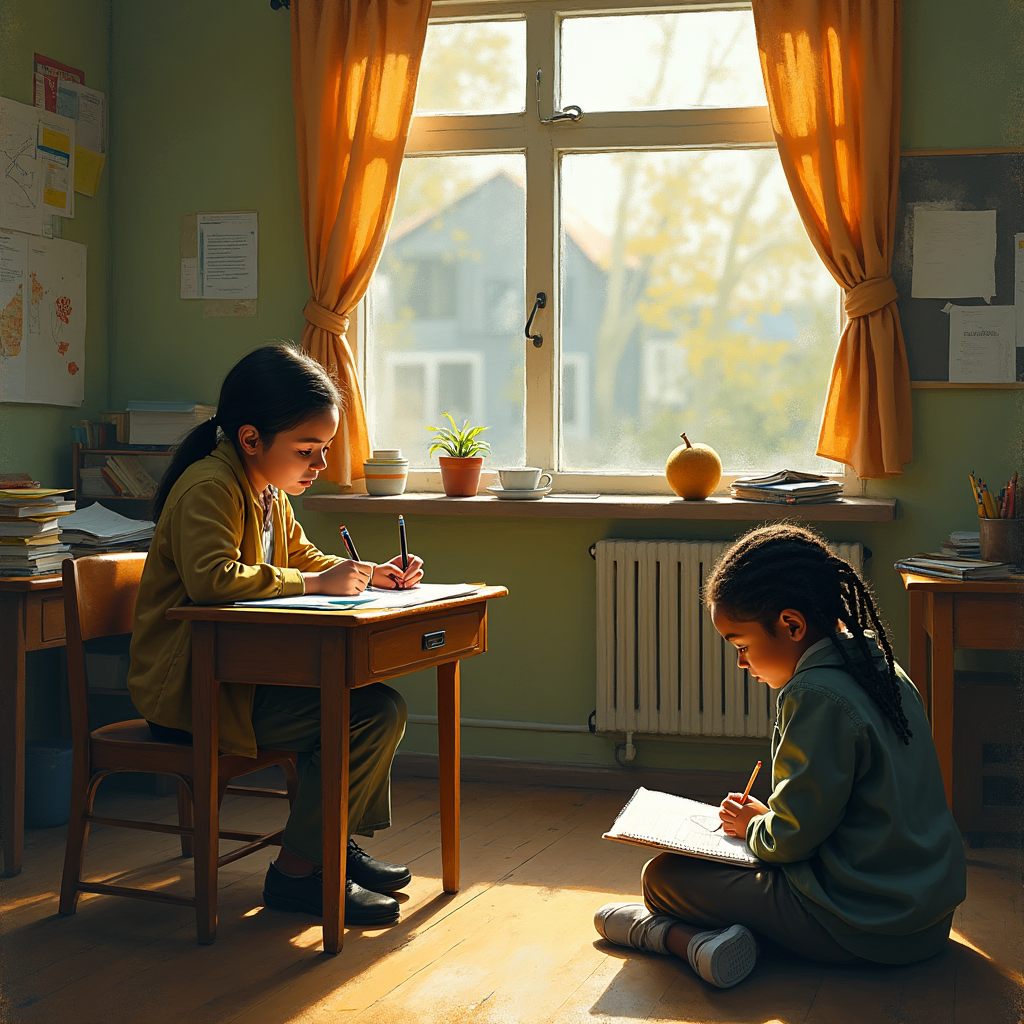
Room 214 smells like stale markers and desperation sometimes. It’s a funny thing, isn't it? You can smell it—this quiet anxiety clinging to the linoleum floor. I spend my days watching kids wrestle with fractions and trying to explain why sharing is important, but let me tell you, some things are just…complicated. Like figuring out why someone keeps running back to the same kind of trouble, even when they know it’s hurting them—and hurting everyone around them.
I think a lot of it comes down to feeling like you don't have control. Like every time something shifts, everything threatens to fall apart. I saw this with Daniel last week – all bright-eyed and hopeful after his first real girlfriend, then suddenly he’s screaming at her about needing space, demanding she text him constantly, pulling out the whole "abandonment" thing like it was some kind of dramatic performance. It's exhausting just to watch, you know? And frankly, a little scary.
It's not that he wasn’t hurting; he clearly was. But this frantic need for reassurance, this desperate clawing back...it felt so familiar, almost instinctual. Like a program running in the background, one he didn't even realize was there. I started thinking about my own grandfather—never yelled, never physically hurt anyone, but always had that tight-set look, that controlling way of saying things… it’s a pattern, isn’t it? We inherit these patterns, some good, some...not so much.
And the worst part is, nobody wants to admit it. You try to explain how your actions are causing damage, how you're repeating something you learned somewhere along the line, and they just look at you like you’ve grown a second head. “I didn’t *mean* to,” they always say. But intention doesn't change the outcome, does it? It doesn’t fix what was done before.
It's not about blame, really. Not entirely. It’s more like recognizing that sometimes, you're operating from a place of deep-seated fear – fear of being alone, fear of rejection, fear of never being truly seen or accepted. And when you're running on pure terror, it doesn’t take much to tip the scales towards chaos.
I saw this with Maria too—sweet girl, brilliant student, and she just…consumed herself with trying to earn her partner’s love. Any small disagreement felt like a personal attack, any lack of attention was a sign of abandonment, so she would fight back – not with anger, but with relentless neediness, with apologies that felt hollow and desperate. It's a brutal cycle, isn’t it?
It’s like learning to swim in murky water, you know? You flail around, kicking up sediment, trying to stay afloat when you’re actually sinking. And the more you struggle, the deeper you go. We need to learn to recognize the signs – the familiar triggers, the self-destructive patterns – before we’re completely submerged.
Maybe it’s about learning how to build a new compass. One that isn’t built on the faulty readings of someone else's pain. It takes work, for sure. But sometimes, just admitting there *is* a problem—that you don’t have all the answers—can be the first step towards finding your own way out of the current.