Pocket Money Lessons for Growing Up
Well, it’s a question that comes up again and again, isn't it? This business of pocket money for children. I’ve seen it debated endlessly amongst the parents...

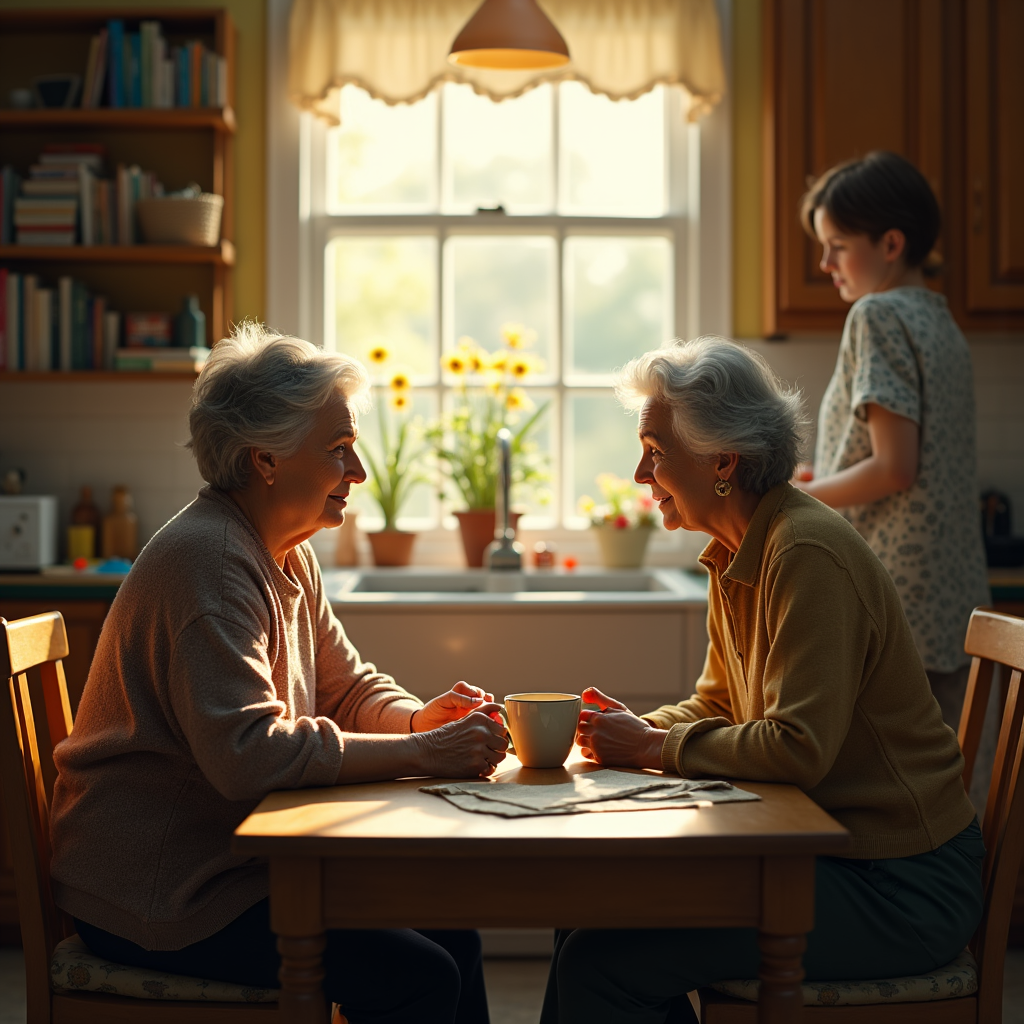
Well, it’s a question that comes up again and again, isn't it? This business of pocket money for children. I’ve seen it debated endlessly amongst the parents at school events and church suppers over the years. And each generation seems to wrestle with it anew, convinced they’ve found the definitive answer. I remember Jerry and I discussing it, right after Marcus started showing an interest in those little plastic army men. It felt so important at the time, this tiny decision about how to impart a sense of value and responsibility.
There’s a natural inclination, of course, to tie allowance to chores. A sense of fairness, perhaps. "If you want money, you have to earn it," it seems to say. And there’s certainly merit in that. Children need to understand that nothing comes without effort. That's a lesson that stays with you long after those plastic army men are packed away. I’ve always felt a strong pull towards that principle – a quiet dignity comes with contributing.
But I’ve also observed something, particularly with my own grandchildren. The minute you frame an activity as "work" in exchange for compensation, you run the risk of extinguishing something precious: the joy of doing it simply because it’s the right thing to do. My grandson, David, used to spend hours building elaborate Lego castles. No prompting, no reward. Just pure, unadulterated delight in the process. Would offering him a dollar a castle have encouraged his creativity? Or would it have transformed play into a transaction?
It's a delicate balance. Teaching children the value of a dollar is vital. It's important they understand that money is a resource, not magic. Those little hands need to learn to budget, to save, to make choices. That’s why I believe even small amounts, given regularly, can be a powerful tool for teaching financial literacy. Seeing that money dwindle as wants arise can be a more profound lesson than any lecture.
I recall a conversation I had with Mrs. Henderson, a dear friend who taught fifth grade for thirty years. She said, and I’ve never forgotten it, "The most valuable thing you can teach a child isn't how to earn money, it's how to manage it.” And I think she’s right. It’s not about the amount of the allowance; it's about the conversation that surrounds it. The discussions about needs versus wants, about saving for a goal, about the difference between spending and investing.
This Friday, at the luncheon with the women from the food pantry, the topic, predictably, arose again. Sarah, sweet Sarah, was lamenting the difficulty of motivating her two boys to keep their rooms tidy. She was considering a system of rewards, a dollar for a clean room, two for a perfectly organized closet. I listened, as I always do, and then offered gently, "Perhaps instead of focusing on the reward, talk to them about the feeling of accomplishment that comes with order and cleanliness. Think of the peace it brings to the whole house."
It's not always easy, this parenting thing. It’s a constant negotiation between principles and practicality. Between the desire to instill values and the reality of a child’s impatience. Jerry always said I was too soft. Perhaps I was. But I also believe there’s a profound beauty in nurturing a child’s inherent goodness, in fostering a sense of responsibility that arises not from expectation of reward, but from a desire to contribute.
And now, with my retirement truly underway, I find myself thinking about these things even more. Not necessarily with an eye toward fixing anything, but simply observing, remembering, and offering a gentle word here and there. It’s a new kind of giving, isn't it? A giving not of time or labor, but of perspective. I made coffee this Monday and sat at the kitchen table, as one does. And I thought: well. The next generation will find their own way, as they should. And I will be here, quietly cheering them on.