Quiet Struggles, Hidden Hearts, Real Needs
Room 214’s got a way of doing that to you, you know? Like a slow drip, a quiet noticing. You start to see patterns, not big, dramatic ones, but the little th...

Room 214’s got a way of doing that to you, you know? Like a slow drip, a quiet noticing. You start to see patterns, not big, dramatic ones, but the little things that really make up what folks are about. And these boys, these guys coming through my door every day… they’re carrying a whole lot more than just backpacks and crumpled homework. They’re carrying a weight, a kind of quiet seriousness that’s hard to explain, even to yourself.
It’s not about deficits, not really. It’s about… well, it’s about the world they’ve been given. The stories they’ve heard, the assumptions that are baked right in, before they even walk in here to try and learn something. You see it in the way they approach problems – cautious, deliberate. Like they’re already anticipating a snag, a roadblock, something they gotta navigate around.
I talk to them about this, mostly. Not in a lecturing way, you understand. More like… just letting it hang in the air. “What’s it like to be a kid in this neighborhood?” I ask. And they don’t always have an answer, or maybe they do, and it’s not an answer you expect. It's a feeling more than a sentence. It's a knowing.
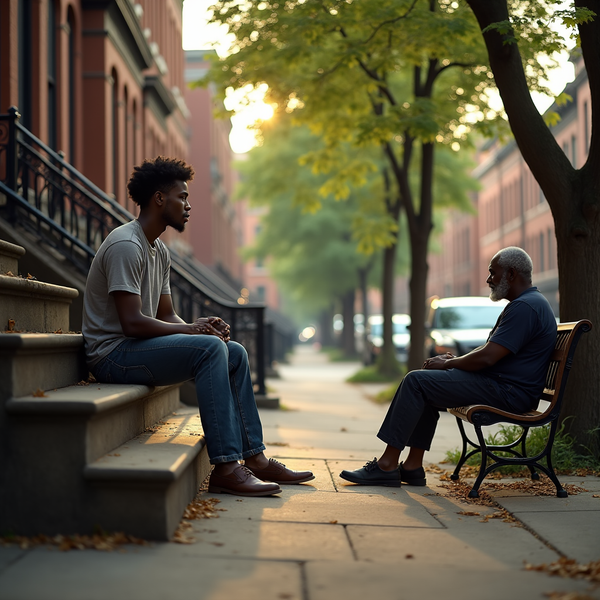
It’s the same with their families, too. I see the exhaustion in the dads' eyes when they come in for a quick chat – the kind of exhaustion that comes from just *being*, from carrying the responsibility of providing, of protecting, of making sure there’s food on the table. They don't talk about it much, these dads, but you can see it. It’s in the way they listen, the way they watch their kids, the way they try to offer a little bit of hope.
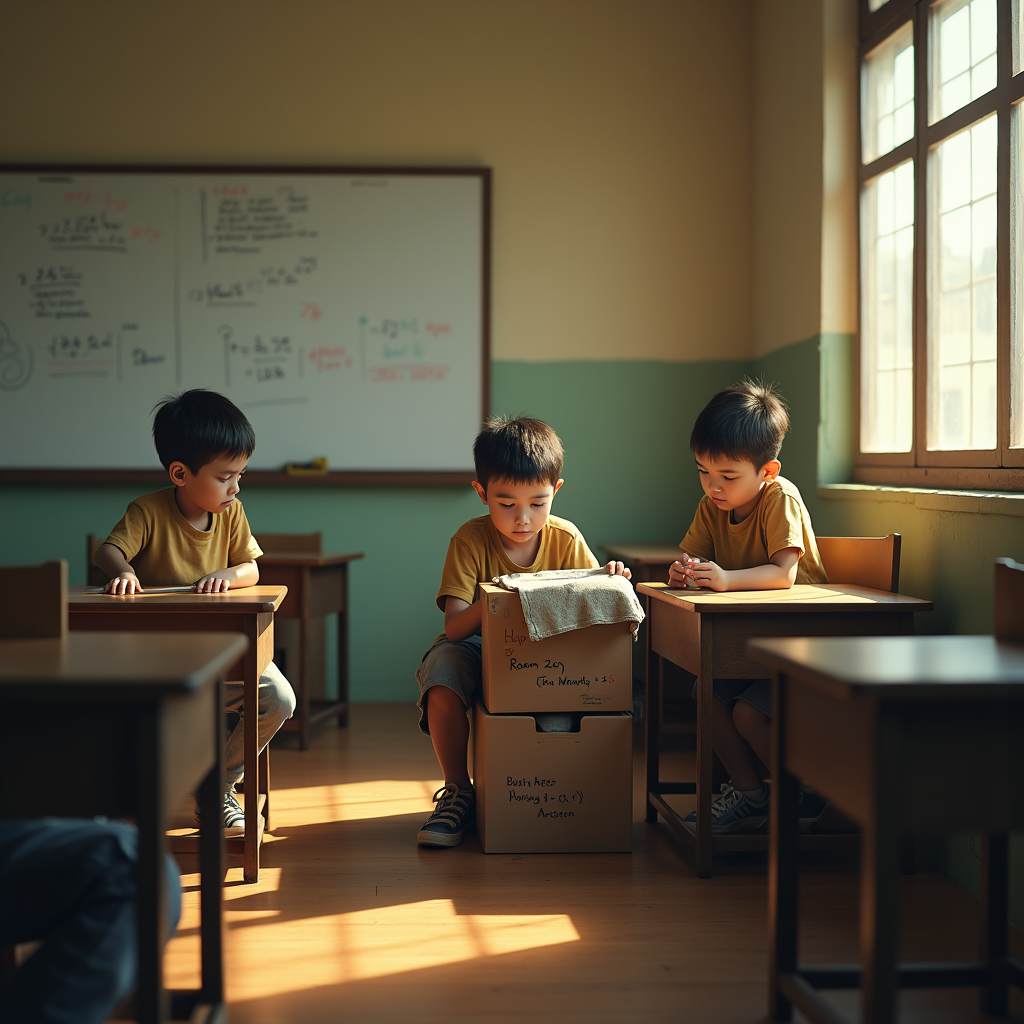
And the kids themselves? They're resilient. God, they are. They’re building forts out of cardboard boxes and old blankets, dreaming up whole worlds in the back of the classroom. They find joy in the simplest things – a shiny pebble, a shared crayon, a silly joke. It’s a constant battle, though, between that inherent optimism and the… the reality of things.
You gotta give them space for that. You can’t just tell them to “be positive.” That doesn’t work. It's like trying to put a lid on a simmering pot—it’s gonna bubble over. You need to acknowledge the weight, to recognize the struggle, and then… then you need to offer them a hand. Not a solution, not a fix, just a hand to hold onto, a quiet presence, a space to just *be*.
It's about building trust, slowly. These boys, they’ve been burned before. They’ve seen folks make promises they didn’t keep. They’ve learned to guard their hearts, to keep their thoughts to themselves. And you gotta earn that trust. It’s not about flashy gestures or empty words. It's about showing up, day after day, demonstrating that you’re someone they can count on.
And that’s what it comes down to, really. It’s not about teaching them how to solve equations or write essays. It’s about teaching them how to navigate the world, how to carry their burdens with a little bit of grace, and how to find the strength to keep going, even when things get tough. Room 214 teaches you that, I reckon.