Raising Sensitive Children: A Guide for Parents
## Understanding Your Little Helper: A Guide to Raising Sensitive Children As a pediatrician, I see a lot of children, and sometimes I notice a particular se...

## Understanding Your Little Helper: A Guide to Raising Sensitive Children
As a pediatrician, I see a lot of children, and sometimes I notice a particular sensitivity, a deep connection to the emotions of those around them. It’s wonderful to see such empathy in young ones, but it can also be a lot to navigate. Let’s talk about these children – often called “empaths” – and how you can best support them, not just as a parent, but as someone who truly *sees* them.
What exactly *is* an empath? Simply put, an empath is someone who feels the emotions of others with a remarkably strong intensity. It’s more than just understanding someone’s sadness; it’s *feeling* it alongside them, sometimes as if it were your own. These kids are incredibly perceptive, often noticing subtle cues and nuances that others miss. This sensitivity, while a beautiful quality, can also be overwhelming for them.
Recognizing your child as an empath starts with observing their reactions. Do they get upset when someone else is sad? Do they seem particularly affected by stressful situations, even if they aren’t directly involved? Are they unusually sensitive to loud noises, bright lights, or certain textures? These can be key indicators. Many empath children have a strong need for quiet, calm environments.
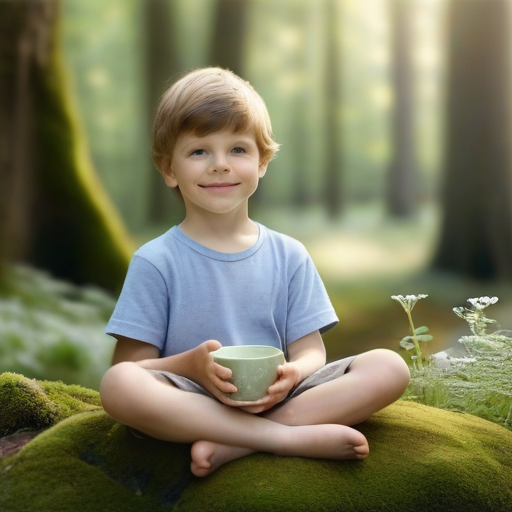
One of the most common things I see with empath children is a profound need for alone time. They often crave solitude to recharge and process the emotions they’ve absorbed. It's like they’re constantly filling up a cup, and they need time to empty it. Encouraging these moments – even just a few quiet minutes – can make a huge difference in their overall well-being. Helping them establish healthy boundaries, like saying “no” to requests that overwhelm them, is also incredibly important.
Managing their stress is crucial. Just like adults, children can become overwhelmed if they’re constantly exposed to negativity or high-pressure situations. Teaching them simple self-care techniques, like deep breathing exercises or mindfulness activities, can equip them with valuable tools for coping. Modeling healthy self-care for them is a fantastic way to show them how it's done.
It’s important to avoid labeling them as “sensitive” or telling them to “toughen up.” That kind of feedback can actually make things worse, causing them to internalize their feelings and feel even more ashamed. Instead, validate their experiences and acknowledge the strength of their empathy. Help them understand that their ability to feel deeply is a gift – a powerful connection to the world around them.
Creating a calm and supportive home environment is essential. Minimize exposure to stressful situations whenever possible. And remember, your own emotional state can significantly impact your child. Prioritize your own self-care so you can be a calm and grounded presence for them.
Raising an empath child can be a journey of understanding and support. By recognizing their unique needs and providing them with the tools to navigate their emotions, you can help them thrive and use their extraordinary sensitivity to make a positive impact on the world. Don't hesitate to reach out to your pediatrician or a child psychologist for guidance and support - you are not alone.