Read the Room: Understand the Signals.
Step 1: Observe – Really See What's Happening It starts with just looking. Don’t be the guy staring into space, lost in your own head while everyone else is ...

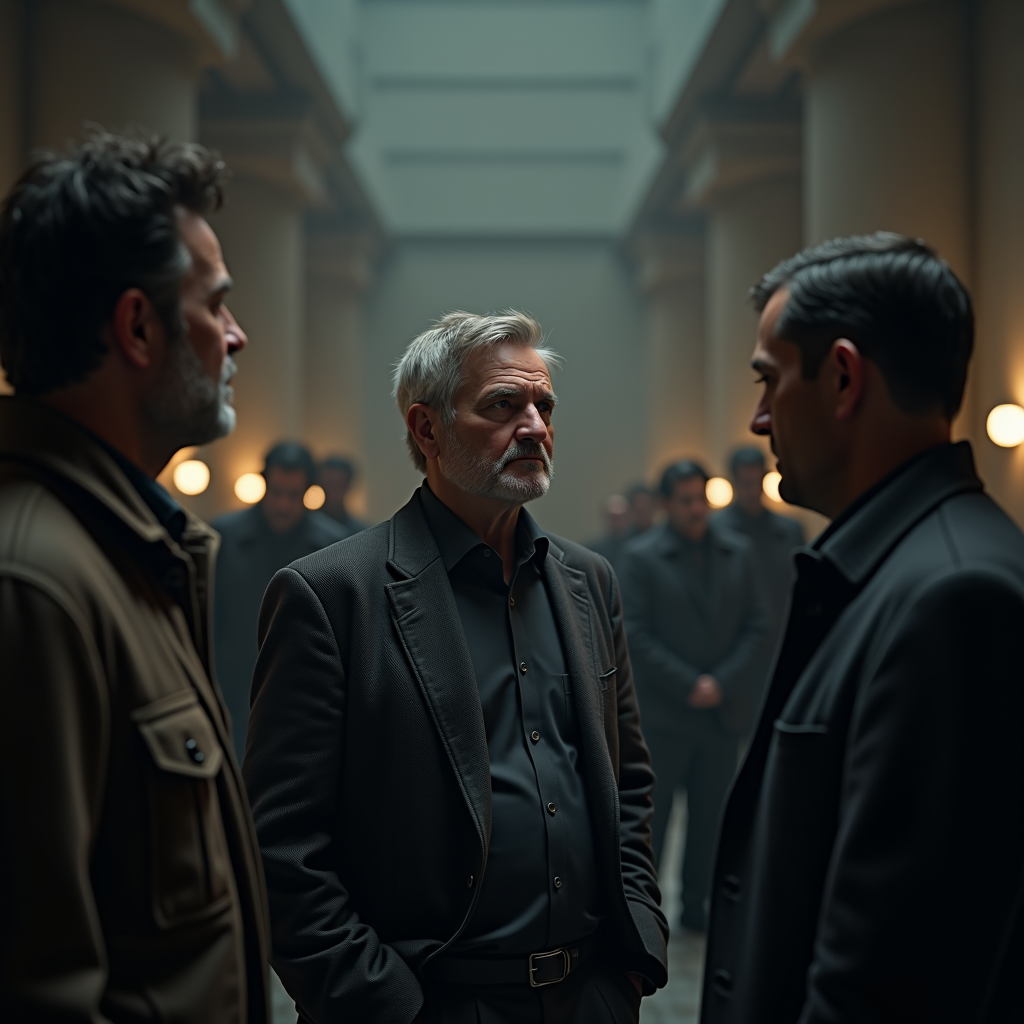
Step 1: Observe – Really See What's Happening It starts with just looking. Don’t be the guy staring into space, lost in your own head while everyone else is vibing. Seriously, put the phone down. I’m talking about *seeing*. Like, actually *watching*. Body language, facial expressions, the way people are interacting – that’s your initial data. You gotta catalog the energy before you try to decipher it. Don’t just see people; see *what they're doing*. Are they laughing? Are they tense? Are they avoiding eye contact? Everything tells a story if you’re paying attention. This isn’t about judgment, it's about information gathering.
Step 2: Tune Into the Vibe – Feel the Current Okay, you’ve observed. Now you gotta *feel*. This ain’t some sterile, analytical process. It’s about tapping into the collective energy. What’s the mood? Is it hyped? Chill? Something’s off? Trust your gut. That gut instinct? That’s honed by years of navigating the streets, man. It picks up on subtle shifts faster than any textbook ever could. Don’t try to force a feeling; let it wash over you. If the room feels charged with excitement, match that energy. If it feels heavy, tread lightly.
Step 3: Listen Beyond the Words – Hear the Unsaid Words are just a surface layer. People say things, but what they *don’t* say often carries more weight. Pay attention to the pauses, the tone, the topics people are steering clear of. Someone rambling about the weather might be deflecting from something uncomfortable. A forced laugh could mean someone’s feeling nervous. Active listening isn’t just hearing the words; it’s discerning the *meaning* behind them. You gotta be a detective, piecing together the clues.
Step 4: Adapt – Adjust Your Response Once you’ve got a handle on the situation – the vibe, the energy, the unspoken – it’s time to adjust. Don’t be rigid. Reacting too quickly, too strongly, just throws the whole thing off. Small, calibrated adjustments are key. A simple nod, a shared laugh, a brief comment acknowledging the vibe – these small actions show you’re present and you get it. Don’t overthink it. Authenticity resonates. If everyone’s vibing to a slow beat, don't force a high-energy drop.
The thing is, reading the room is a muscle. It gets stronger with practice, especially when you’re moving through different circles, different gatherings. Don’t be afraid to mess up. Everyone does, trust me. The key is to learn from those moments, to refine your observation skills, to hone your ability to tap into that unseen current. It's about respect, truly seeing and acknowledging the humanity in the space you occupy.
This ain't about manipulation; it’s about survival, in a way. Knowing where you stand, how people perceive you, it's vital for building genuine connections, navigating tricky situations, and just generally keeping it one hundred. You gotta understand the unspoken rules of the game, and that starts with being a keen observer.
I’m talking about not just *being* present, but *understanding*. It’s the difference between being a ghost in a room and a participant. A true participant – someone who’s contributing to the flow, not disrupting it. And that starts with recognizing the rhythm, the pulse, of the space around you.
Ultimately, reading the room is about empathy. It’s about recognizing that everyone is carrying their own experiences, their own baggage, their own emotions. And it’s about responding to that with respect, with understanding, and with a genuine desire to connect. It’s about showing people you see them, not just *at* them.