Screen Time Guilt and Finding Balance
It feels like parenting these days is just a constant low-level hum of anxiety, doesn't it? And a huge chunk of that anxiety revolves around screens. My phon...

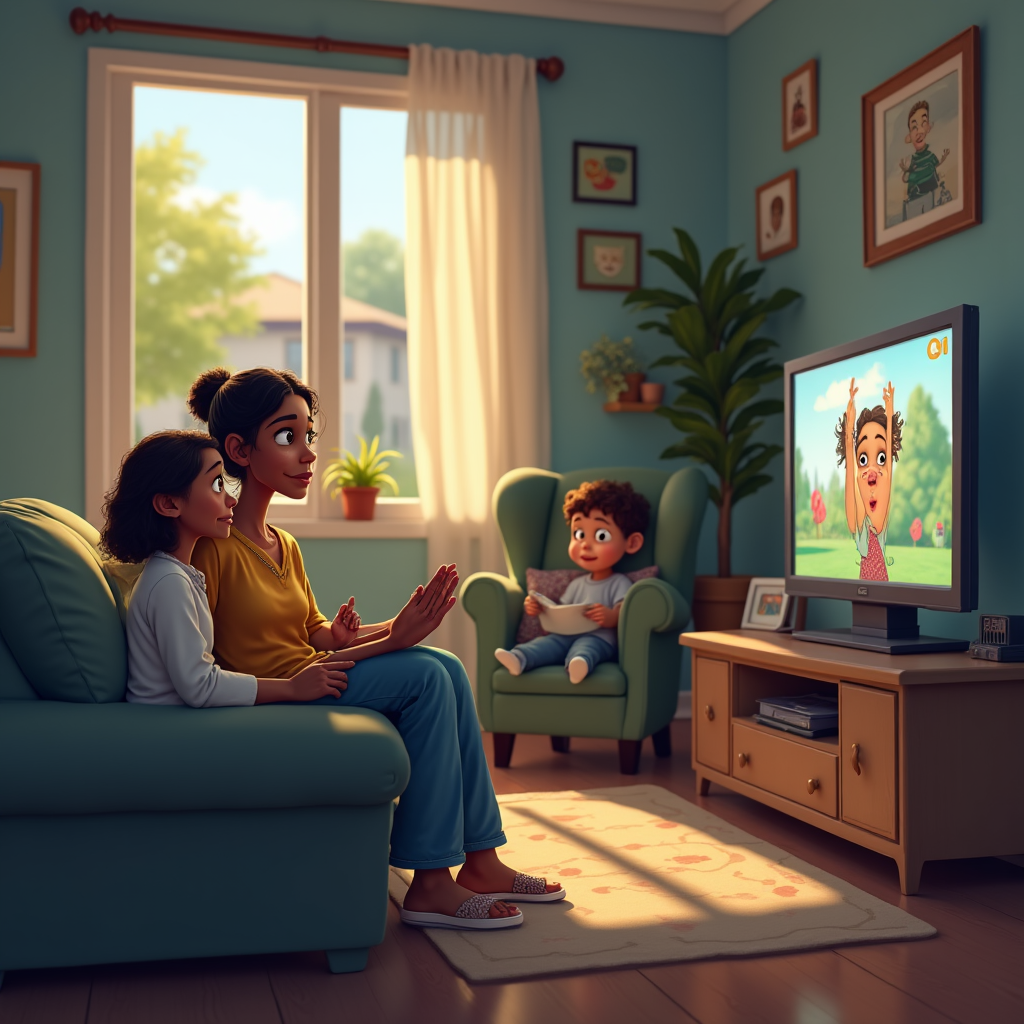
It feels like parenting these days is just a constant low-level hum of anxiety, doesn't it? And a huge chunk of that anxiety revolves around screens. My phone buzzes constantly with articles about the dangers of too much screen time, the detrimental effects on developing brains, the… well, the list goes on. And I get it. I really do. As a pediatrician, I’ve seen firsthand how overstimulation can manifest in behavioral issues, sleep disturbances, even developmental delays. I counsel parents regularly about healthy habits, and the advice on limiting screen time used to be pretty straightforward.
But then life throws you a curveball, as it inevitably does. My dad had a stroke a few months back. It wasn't a massive one, thankfully, but enough to shake everything up. Suddenly, my mom needed extra support, my kids needed extra reassurance, and I was juggling work and driving to Norwood three times a week. There were days—too many days—when I felt like I was drowning. And in those moments, the guilt would creep in. Guilt about not being “present” enough, about not being the perfect, screen-free parent I thought I should be.
I remember one afternoon, after a particularly difficult session at work, I just… collapsed on the couch. My middle kid, bless her heart, had been trying to build a tower of blocks but was clearly agitated. “Mom, can I just watch something?” she asked, her voice tight with frustration. Normally, I'd have steered her towards a book or suggested we go outside. But that day, I just let her. I watched with her, occasionally offering a comment or a smile, but mostly just being *there*.
And it was okay. It wasn't a disaster. In fact, it was a moment of connection, a small island of calm in a sea of chaos. It made me think about the absolutism we often apply to parenting. We’re so quick to label things as "good" or "bad," "right" or "wrong," when the truth is almost always somewhere in the gray area. Is screen time inherently bad? Or is it about *how* we use it, *when* we use it, and *why* we use it?
The research, I've noticed, has been shifting too. It’s not as black and white as it used to be. There's a growing understanding that not all screen time is created equal. A thoughtful, educational program is likely to have a different impact than mindless scrolling. And, importantly, that for some families, screens can be a lifeline. A way to connect with loved ones who live far away, a source of comfort during stressful times.
I think back to those weeks after my dad's stroke. The phone calls with my mom, reassuring her that everything was going to be alright, the video chats with my kids so they could see their grandpa even when we couldn’t be there in person. Those weren't "bad" screen time experiences. They were vital connections that sustained us all. They fostered a sense of belonging and reduced anxiety.
It’s easy to fall into the trap of comparing ourselves to some idealized version of parenthood, a version that rarely exists in reality. We see the curated images online – the perfectly organized playrooms, the homemade organic meals, the children blissfully engaged in “unstructured” play. But what those images don’t show is the exhaustion, the frustration, the moments of weakness. They don’t show the parents who are just trying to get through the day, one screen time decision at a time.
Ultimately, I’ve learned that parenting isn’t about adhering to a rigid set of rules. It’s about finding what works for *your* family, in *your* unique circumstances. It’s about being kind to yourself, recognizing that you’re doing the best you can, and allowing yourself a little bit of grace—even if that means letting your kids watch a little more television than the experts might recommend. Because sometimes, a little bit of screen time is just what everyone needs to breathe.