Screen Time: Rethinking the Parent Puzzle
It’s funny, you know? Just a few years ago, the big worry was, "Is my kid staring at a screen too much?" Now it's more like, "Am I even asking the right ques...

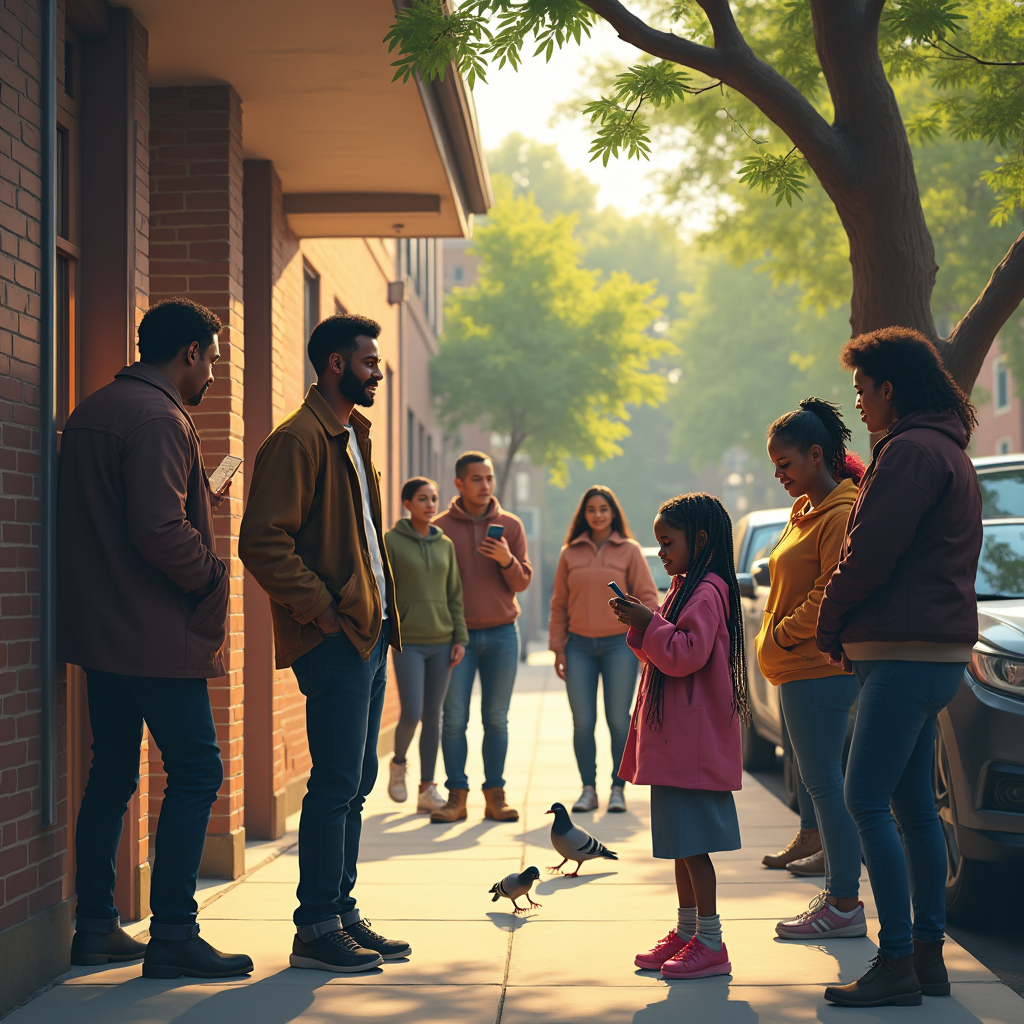
It’s funny, you know? Just a few years ago, the big worry was, "Is my kid staring at a screen too much?" Now it's more like, "Am I even asking the right question?" Because the goalposts keep moving, and it feels like everyone's got an opinion, usually shouted from somewhere online. I see it in the faces of the parents at pick-up, the ones hovering near room 214, looking tired. They’re scrolling, comparing notes, I’m sure, and feeling like they’re failing.
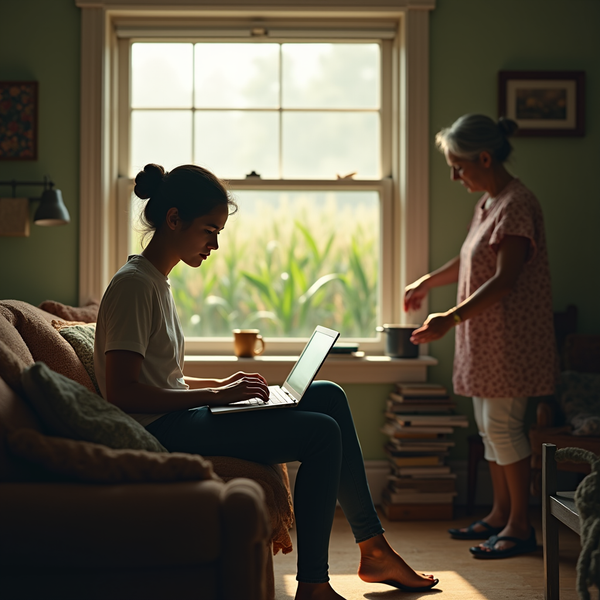
I remember when I was first starting out, the advice was simple: two hours a day, max. A hard line. It felt manageable, somehow. Now you hear about “mindful media consumption,” “age-appropriate engagement,” and this whole idea of balancing “passive” vs. “active” screen time. What does that even *mean* when my niece is on a tablet, apparently “actively learning” while I'm pretty sure she’s just watching cartoon squirrels build tiny houses?
My mom always says, "Kids just need to play outside." And she’s not wrong. The grass in South Jersey was always greener, I guess. But we're not all in South Jersey anymore, are we? These kids grew up with iPads before they could tie their shoes. It’s part of their world. Trying to pull them away from that, to force something that feels… unnatural… it just creates more stress for everyone. For them, for us.
One of the moms, Mrs. Davis, she cornered me last week after school. Just a quick, frantic conversation, but it stuck with me. She was on her third attempt to limit her son’s screen time, and each time, it ended in tears – his, hers, probably the dog’s too. "I just want to do what's best," she said, her voice cracking a little. And that’s the heart of it, isn’t it? Every parent just wants to do what's best.
It’s not just the “experts” either. Social media doesn't help. It's a constant stream of highlight reels, parents showing off their kids building elaborate Lego structures or coding advanced programs – things that feel impossibly far from my reality, from the reality of Mrs. Davis's reality. It's a comparison game, and nobody wins. It’s a cycle that feeds anxiety and makes people feel like they’re falling short. I saw a post the other day – a mom complaining about her child’s “lack of interest” in building a sustainable miniature farm on a tablet. Seriously?
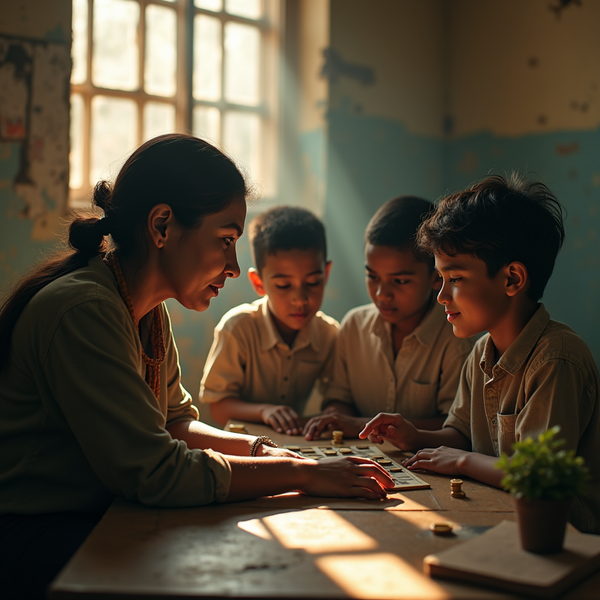
I've noticed something in my own classroom, too. Some kids are completely glued to screens, bouncing off the walls when they’re unplugged. Others seem… quieter, more withdrawn. There’s no one-size-fits-all answer. What works for Leo, who needs that burst of energy from a cartoon before he can focus, is going to be different from what works for Maya, who needs the quiet calm of a nature documentary.
I’m starting to think the best advice isn’t about limiting screen time at all. It’s about talking. Really talking. About what they’re watching, what they’re doing, how it makes them feel. Asking them, “Is this *fun*?” because if it’s not, what’s the point? Maybe it's about finding those pockets of time when everyone can just… breathe.
This year, I’m trying to be more of a listener than a lecturer. Not just with the kids, but with the parents, too. A little bit of understanding, a little bit of shared experience – that might be more valuable than any article or expert opinion. It’s certainly a lot less stressful. I think Mrs. Davis just needed to know she wasn’t alone in feeling overwhelmed, in feeling like she was just trying her best, even if her best looked a little messy sometimes. And honestly, isn’t that all we can really ask of each other?