Finding Home in Hardship and Resilience
The dust hangs heavy in the air, a constant film clinging to everything – clothes, skin, the very hope you might try to hold onto. I’ve been thinking a lot a...
The dust hangs heavy in the air, a constant film clinging to everything – clothes, skin, the very hope you might try to hold onto. I’ve been thinking a lot about resilience lately, spurred by a recent patch of weeks where I felt...well, I felt fragile. Seeing my dad after his stroke, trying to navigate my kids' worries, the relentless churn of my practice… it takes a toll. And then you read reports, see images, and remember the quiet fortitude of children who face hardships that make my own struggles seem, frankly, trivial.
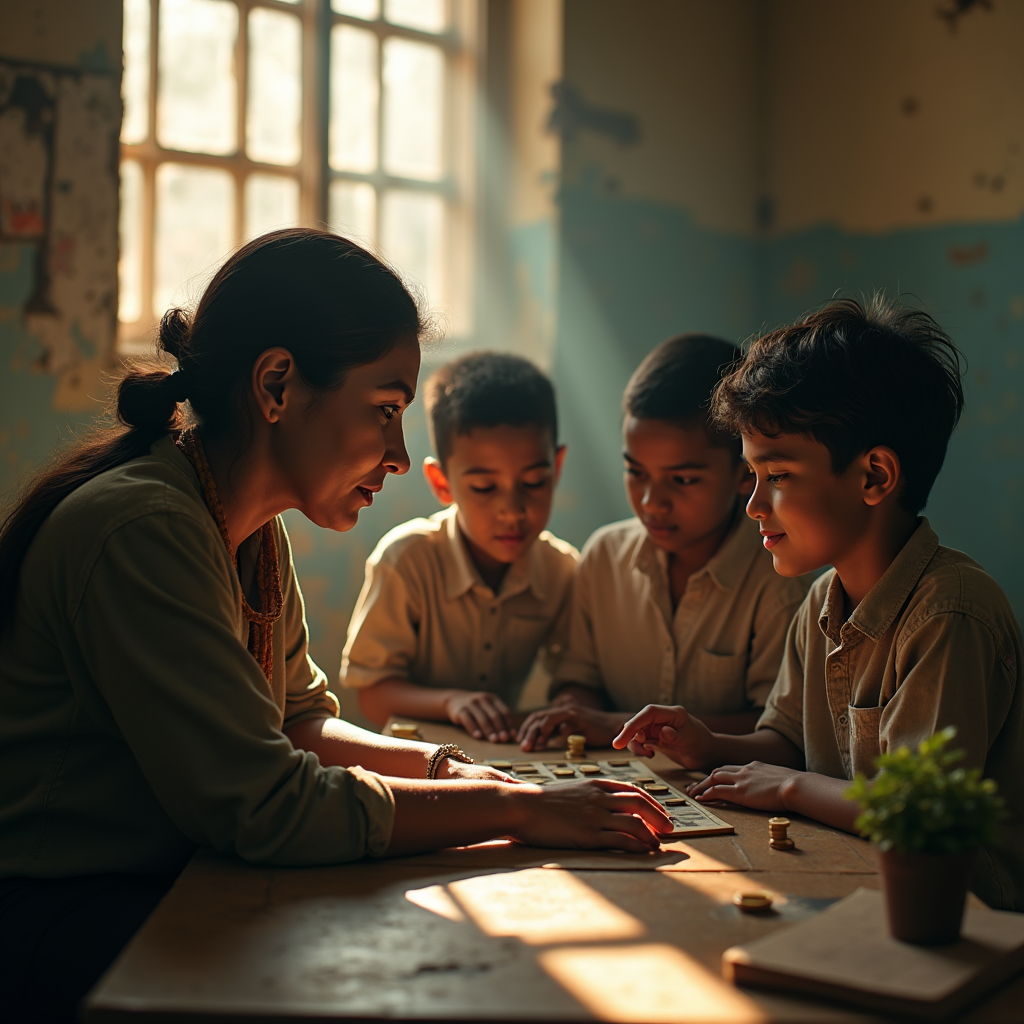
There are estimates, of course, always estimates about the number of children living on the streets in India – figures that shift and blur like the horizon. But it doesn't really matter what the exact number is. What matters is the reality of those individual lives. The constant vigilance required, the need to find safety in shared spaces, the quick assessments of trustworthiness that become a survival skill before they even learn to read. It's an apprenticeship in hardship, a training program no child should ever have to endure.
I remember driving my kids to school a few weeks ago, complaining about the traffic. My middle child, bless his heart, turned and said, “Mom, some kids don’t even *have* school to go to.” It was a brutal, innocent observation. And it stopped me cold. It reminded me of the perspective my patients often provide - a clarity born of experience. They have a way of cutting through the noise, of revealing the core truth of a situation.
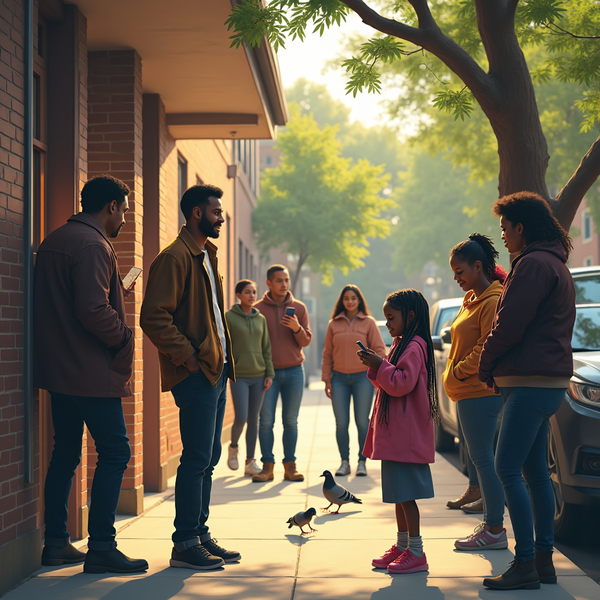
One of the things that strikes me, seeing accounts of these children’s lives, is the importance of connection. Not necessarily family, not as we understand it, but a sense of belonging. Friendships forge themselves in these spaces, fierce and essential. A shared blanket becomes a shared responsibility. A loaf of bread divided becomes a sacrament. They build their own scaffolding of support, their own systems of accountability. It's not ideal, it’s far from what any child deserves, but it’s what keeps them going.
The idea of ‘home’ is so inextricably linked to comfort, to security, to a sense of belonging. To these children, ‘home’ might be the corner they sleep in, the patch of pavement they call their own. It’s the face of a friend, the reassuring weight of another child beside them. It’s the memory of a kindness received, a small act of generosity that offers a flicker of warmth in a relentlessly cold world. It's a definition of home sculpted from need, not from expectation.
It’s easy to fall into the trap of viewing this situation as a purely individual tragedy, a collection of heartbreaking stories. But it's so much larger than that. It’s a societal failure. A complex web of poverty, inequality, and broken systems that leaves vulnerable children exposed and unprotected. It's a consequence of choices made – or not made – about resource allocation, about social safety nets, about the very value we place on the lives of the most marginalized among us.
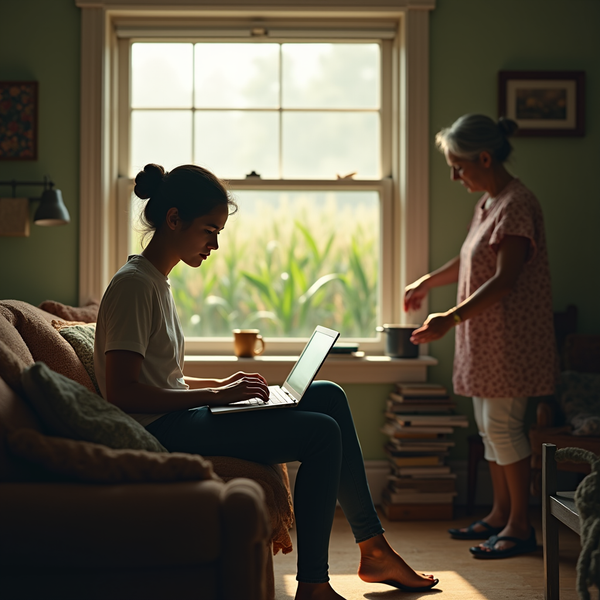
Thinking about this – about the resilience these children demonstrate – it makes me think about my own family, my dad's recovery. He’s stubborn, that’s the truth. But he’s also, undeniably, *trying*. And there’s a quiet dignity in that effort. I’ve seen my mother’s own reserves of strength revealed over these past months, a deep well of love and determination. It's a reminder that resilience isn’t about bouncing back to a pre-existing state; it’s about adapting, about finding a way forward, even when the path is obscured by hardship.
I've been reflecting on how to better support my own children, especially after that conversation in the car. It’s not just about providing them with opportunities and resources. It’s about fostering their empathy, their understanding of the world beyond their own comfortable lives. It's about helping them develop the capacity to see the humanity in others, to recognize the inherent worth of every individual, regardless of their circumstances. Maybe, just maybe, it's about equipping them to be part of the solution.