
Screens Kids and the Weight of Parenthood
Sometimes, it feels like every other day there's a new study coming out about screens and kids. And understandably, parents are worried. I see it in my pract...

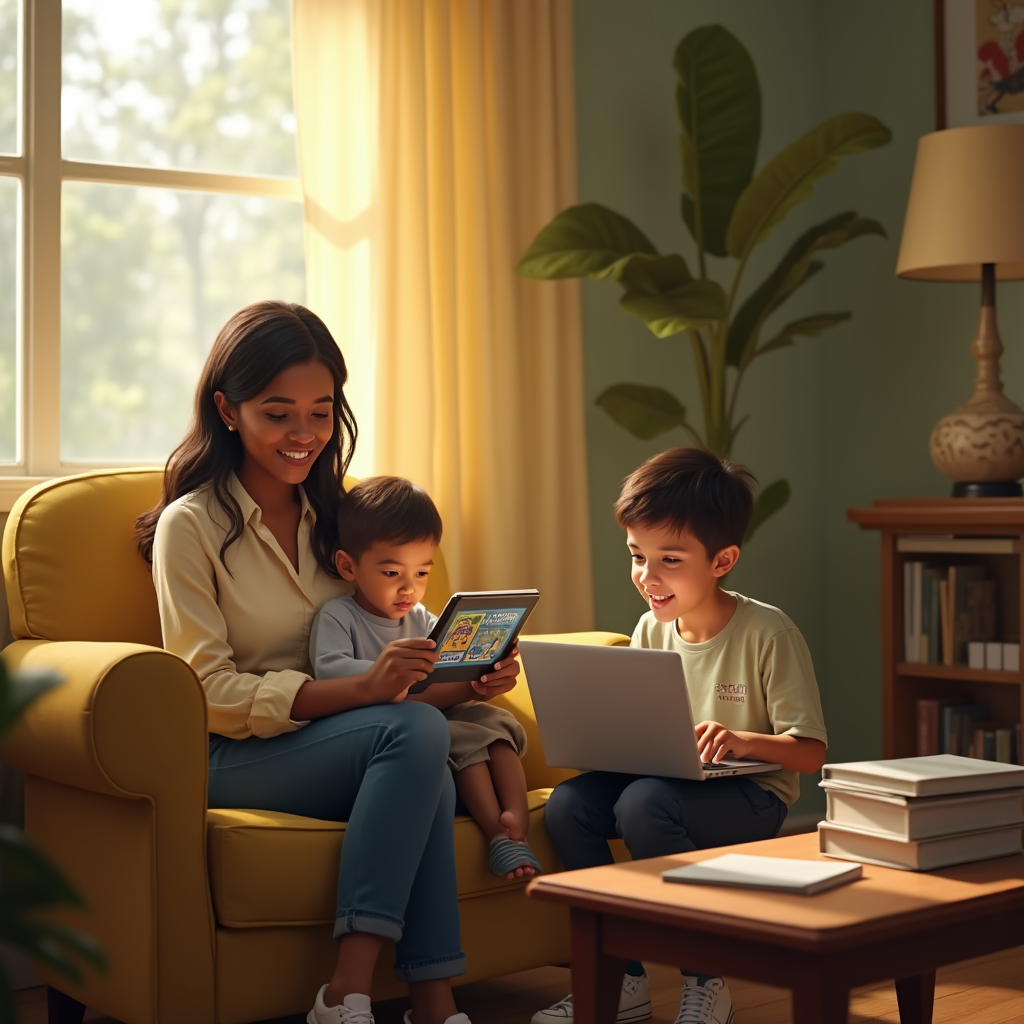
Sometimes, it feels like every other day there's a new study coming out about screens and kids. And understandably, parents are worried. I see it in my practice every week – the hesitation before handing over a tablet, the furtive glances at the timer during a cartoon, the quiet guilt when a phone distracts from a family game. It’s easy to get caught up in the fear, to feel like you’re failing somehow if your child spends an hour watching videos, or even less.
I remember a few weeks ago, driving back from Norwood, where my dad was recovering. Those drives were long, quiet, and often punctuated by a frantic text from my middle child's teacher. Apparently, a playground disagreement had escalated into tears and retreated silence. It’s these small moments, these everyday struggles, that tend to weigh on us. It’s hard to be present and mindful when you’re also juggling a parent’s health, a demanding job, and the emotional navigation of a growing child. Blaming a screen felt…too easy, you know? A convenient scapegoat for something much more complicated.
The recent study, I read through it briefly – I don't always have time for the deep dive these days – explored that correlation, the link between screen time and developmental outcomes. And as with most things in life, the picture it painted wasn’t black and white. It wasn’t about demonizing devices, but about understanding *how* they’re used, *when* they’re used, and, importantly, *why* they’re being used. Because often, that "why" is a desperate need for a moment of peace. And sometimes, that peace is absolutely vital.
We’ve always been quick to compare today’s kids to those of previous generations. “When *I* was a kid, we played outside until dark!” I’ve heard that sentiment expressed countless times, and it’s true – my own childhood was filled with scraped knees and hide-and-seek games in the woods. But the world is different now. Safety concerns, access to safe outdoor spaces, the sheer volume of structured activities…it all contributes to the reality that our children's experiences are fundamentally different. Judging them by a yardstick from a different era isn’t fair, and it rarely helps.
The key, I suspect, isn't about strict limits – though having *some* boundaries is certainly helpful. It’s about balance. It's about being thoughtful. It's about recognizing that technology isn't inherently bad. It can be a tool for learning, for connection, even for creativity. My youngest is obsessed with coding apps – a fascination I actively encourage. My oldest finds countless educational videos that spark her interest in history. It's about guiding them towards those opportunities and helping them develop a sense of digital citizenship.
I’ve seen firsthand how easily that balance can be thrown off, especially when you’re stretched thin. When my dad had his episode, I was working longer hours, feeling more stressed, and less able to be the parent I wanted to be. Those were the days when the screens felt like a lifeline – a way to keep the kids occupied while I wrestled with phone calls, paperwork, and the constant, low-hum of worry. It's easy to fall into those patterns, and it's even harder to break free.
And then there's the systemic aspect of all this. It's not just about individual parental choices; it’s about the influence of technology companies and the responsibility of governments to promote healthier habits. Companies need to be more transparent about their algorithms and design choices – are they intentionally engineered to be addictive? Are they targeting young children with manipulative advertising? And governments need to prioritize funding for accessible, safe recreational opportunities for children, so that screens don't become the default form of entertainment.
I’m not suggesting that we throw our devices into the trash and retreat to a pre-digital age. That’s unrealistic, and frankly, undesirable. But I *am* suggesting that we approach this issue with nuance, with compassion, and with a healthy dose of self-awareness. We owe it to our children – and to ourselves – to create a digital landscape that fosters their well-being, not undermines it.
It's a conversation, a constant adjustment, and a process of learning. We're all in this together.