Seeing the World Through Children’s Eyes
Room 214 has a way of doing that to you, you know? It just… settles in. Like a good story, or a particularly sticky bit of gum under the desk. You don't *pla...

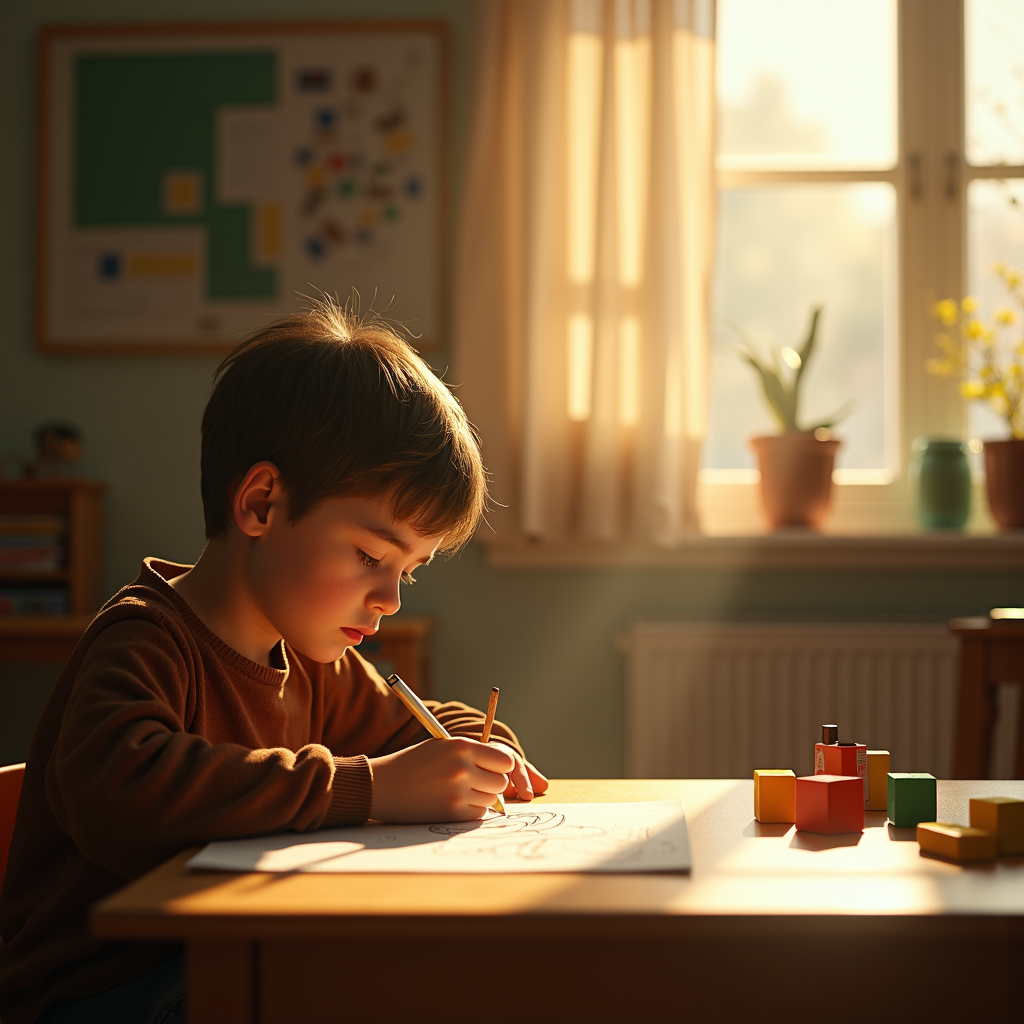
Room 214 has a way of doing that to you, you know? It just… settles in. Like a good story, or a particularly sticky bit of gum under the desk. You don't *plan* for it to happen, but suddenly, there it is. I’ve been teaching third grade here for seven years now, and I still find myself learning more from these kids than I ever could from a textbook, or a fancy conference, or anything like that. It’s not about theory, not really. It's about *seeing*.
It started, I think, with Leo. Leo’s got this habit of drawing superheroes, all bright colors and impossible muscles. But he doesn't actually *play* superhero. He just draws them. And he talks about them, too. Just… quietly. Like he's explaining something important, something nobody else gets. I started noticing that a lot of the boys – and honestly, the girls too – were doing something similar. They weren’t just *doing* things. They were observing. They were collecting bits of the world, like little treasures, and then… holding them up for you to see.
The other day, Maya was building a tower out of blocks. Not a fancy tower, just a solid, wobbly thing. And she was talking to it. Just murmuring, "Okay, okay, you need to be stronger. You’re leaning a little, aren’t you?” It wasn't a problem she was *trying* to solve; it was something she was *aware* of. And she was responding to it, in her own way. It struck me then – this wasn’t about skill or accomplishment. It was about noticing. It was about paying attention to the small, messy, imperfect things.
And you know, the parents? They’re good people, mostly. Busy, tired, some of them just don't have the time to… to really *see*. They’re trying to get them to soccer, to piano lessons, to whatever it takes to look good. But these kids, they’re not trying to look good. They're trying to understand. It's a quiet, persistent thing, this wanting to know.
It's funny, isn’t it? You think you're teaching them reading and writing and math. You're trying to get them to memorize dates and formulas. But the real lesson, the one that keeps showing up, is that the world isn’t something you learn; it’s something you *notice*. It's about the way the sunlight hits the wall in the afternoon, or the way a bee buzzes around the flowers outside. It’s the small things, the things you don't even think about.
I was talking to Ms. Rodriguez, the mom of little Samuel, the one who always asks “why?” about everything. She told me she was worried about him. “He’s asking too many questions,” she said. “He needs to stop questioning and start *doing*.” But I was thinking, what if “doing” is just a way of avoiding the questions? What if the real work is in asking?
It’s like… like the way David, the quietest kid in the class, sketches in the margins of his worksheets. He doesn’t draw superheroes or towers. He just draws faces. Simple, really. But they look… real. They look like *people*. And you realize, he’s not trying to *represent* them. He's trying to *understand* them.
I think it all comes down to this: sometimes, the biggest lessons aren’t the ones you give. Sometimes, they’re the ones you learn, just by watching. Just by being… present. And Room 214? Room 214 reminds you of that, every single day.