Shards of Glass: A Shared Rhythm
The rain is relentless tonight, mirroring something inside me. It’s been a week since… well, since everything shifted. Before, Friday nights were just pizza ...

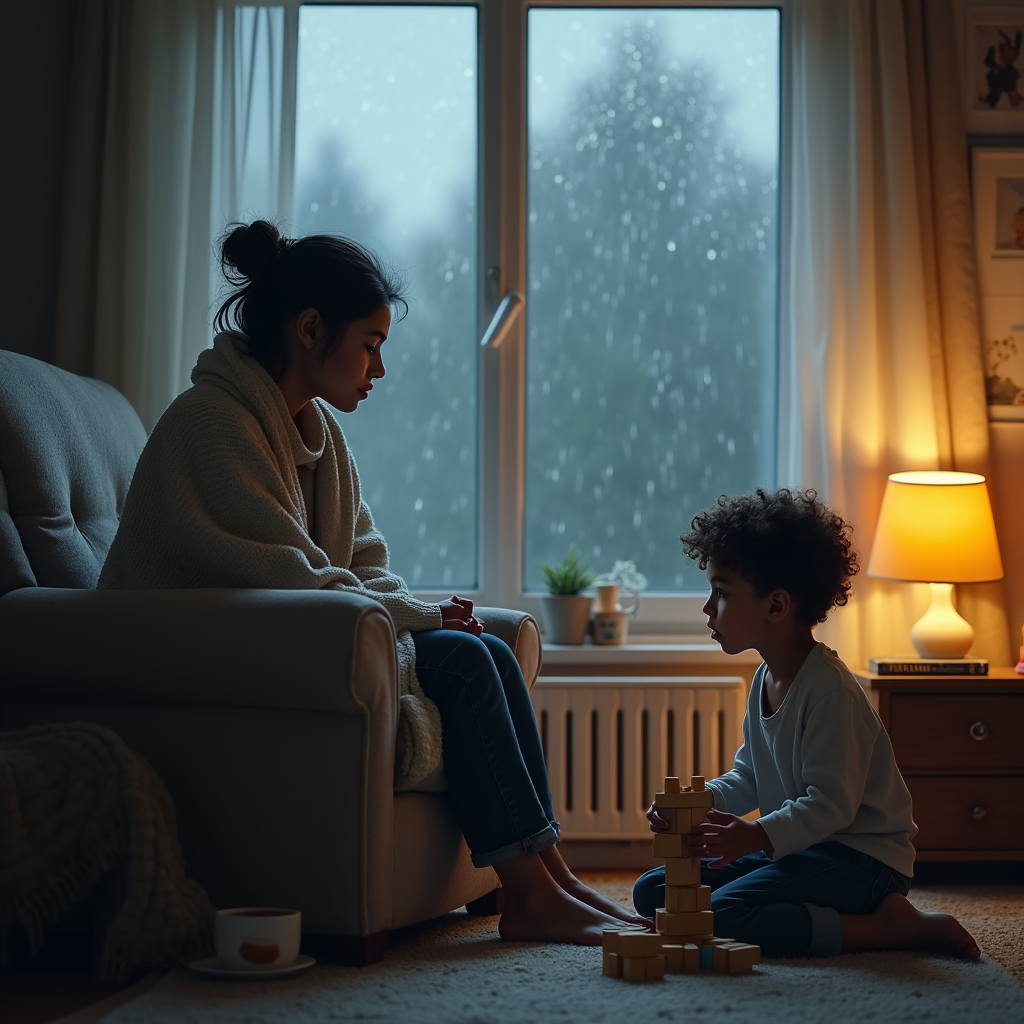
The rain is relentless tonight, mirroring something inside me. It’s been a week since… well, since everything shifted. Before, Friday nights were just pizza and bad reality TV with Liam, my little brother. Now? Now they're etched with the sharp edges of sirens and the lingering smell of smoke – not *my* smoke, thankfully, but the images keep flashing anyway. It feels like a movie playing on repeat in my head, looping through the chaos, the fear, the absolute disbelief.
It’s weird, isn't it? How quickly things can unravel. One minute you're scrolling through Instagram, feeling mildly annoyed about a political post, and the next… well, the next you’re realizing your world has been irrevocably altered. They say trauma changes you, but I don’t feel *changed*, exactly. More like… fractured. Like looking at shards of glass – beautiful in their intricacy, but utterly dangerous if you try to grasp them.
I read this article about “interbrain synchrony,” and it hit me with a force that almost made me laugh – a dark, unsettling kind of humor. The idea that my brainwaves were somehow… aligning with someone else's during those frantic moments is both absurd and strangely comforting. It’s as if there was a hidden signal, a quiet understanding passing between us, a way to ground myself in the midst of everything swirling around.
The researchers talked about the premotor cortex – apparently it's linked to empathy and “feeling with” others. That felt… right. Not like a logical explanation, but a visceral one. Liam has always been my anchor, even when he’s being a typical ten-year-old. Just looking at him, seeing his genuine concern, seemed to slow things down, to lessen the panic. It was as if our brains were unconsciously syncing, creating a tiny pocket of calm in a storm.
It's unsettling, though, this realization that it wasn’t just about *knowing* I had support; it was about something deeper – a connection, a shared rhythm. Like two dancers moving to the same beat, even when they can't see each other. This highlights how much social connections really matter, but not just the surface level ‘support system’, that feeling of genuine interconnectedness feels profoundly important now.
The limitations of the study – the small sample size, the specific context – feel almost like excuses. As if researchers are trying to diminish the significance of what I’m experiencing. It shouldn't matter that it was a young adult population or that it occurred during a particular crisis; the core principle remains. The capacity to connect, to truly *feel* with others, seems to be a fundamental human need, one that can buffer us against even the most devastating experiences.
I keep thinking about neurofeedback – the idea of actively training my brain to synchronize with others. It sounds almost… technological, like some kind of mental hack. But maybe it’s not so far-fetched. Maybe we could learn to consciously cultivate those neural rhythms, strengthening this innate capacity for connection. The possibility of an intervention is hopeful—a tangible approach to build resilience from within and outside.
It's a strange comfort, isn't it, to think that there might be a way to navigate this, not by simply seeking solace or strength from others, but by actively participating in the dance of shared experience. Maybe resilience isn’t about building walls; maybe it’s about learning to move with the currents, finding harmony within the chaos. Maybe it really *is* just being “in sync.”