
Sleep: The Key to Learning Success
Irregular sleep time lowers kids’ memory and language learning scores – neuroscience-wbg-7375 It's quiet in here after school, yeah? Room 214 always is. You ...

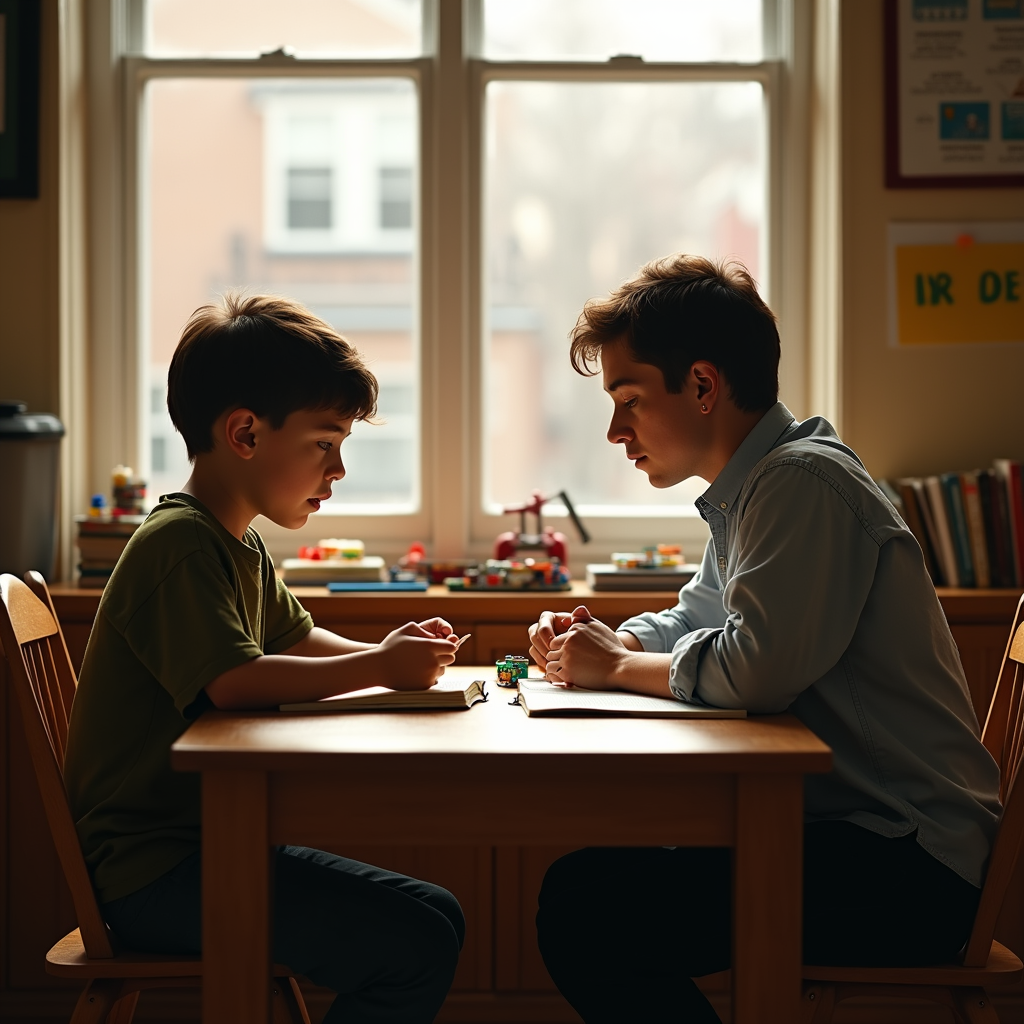
Irregular sleep time lowers kids’ memory and language learning scores – neuroscience-wbg-7375
It's quiet in here after school, yeah? Room 214 always is. You know, it’s funny what you pick up on when you spend your days with ten-year-olds. They say they don’t notice anything, but I see them. I really do. And a lot of it comes down to sleep, or lack thereof. It’s not just about being tired, though that's part of it. It's…complicated.
I was talking to Maria’s mom the other day – she has this bright-eyed little guy, Leo – and she was worried about his reading. He’s a good kid, smart as a whip, but he just wasn't getting it with those new words. And you know what I started thinking about? How much of that is tied up in when he’s actually sleeping.
See, the way these things work – and it’s not always pretty, don’t get me wrong – is that a kid needs time to sort stuff out. Like after a really big day at school, or after you've been building something awesome with LEGOs for hours. That brain of theirs? It's like a messy desk, right? All those things they learned, all the new ideas bouncing around...they need time to settle down and file them away properly.
And sleep? Sleep is the filing cabinet. It’s when their brains are actually *making* connections between everything they’ve been exposed to that day – the words in a book, the numbers in math, even just what happened with their friends at recess. Without that downtime, those things just…drift. They don't stick.
The scientists – I read some stuff about this, you know how I do – they figured out that when kids aren’t getting enough sleep, it messes with this whole process. It slows down the connections in their brains, especially the ones related to memory and language. It’s like trying to build a tower out of blocks when your hands are shaking.
What's really interesting is how much it impacts *learning* itself. If they aren't getting enough sleep, then they can't properly learn new things. It doesn’t matter how good the teacher is, or how engaging the lesson is… if that kid isn’t able to actually consolidate what they’re learning, it just vanishes.
And you know what kids don’t always understand? That some days are just harder than others. Maybe there's a fight at home, or something upsetting happened on the news – those things affect sleep, too. It doesn't make them "bad" kids, but their brains are working overtime trying to process it all, and that processing needs rest.
It’s like… teaching a kid about cause and effect. You can explain it, you can write it down, but they really get it when they see it in action. And sometimes, the biggest “action” is just giving their brains a chance to recharge. It seems simple, doesn't it? But sometimes, the simplest things are the most important.