Small Steps, Lifelines, and Community Care
Sometimes, I think about the children. Not *my* children, bless their hearts, they’re all doing wonderfully well. But the children in the community. The ones...


Sometimes, I think about the children. Not *my* children, bless their hearts, they’re all doing wonderfully well. But the children in the community. The ones growing up where the nearest specialist is a good hour's drive, maybe more, depending on the road. And I think about what we expect them to become, to *be*, when so much of the foundation simply isn’t there.
It’s not just about the doctor, you understand. It's the support. The reassurance. The understanding. When my own mother started… forgetting things, it wasn’t the diagnosis that was the most difficult. It was the feeling of being adrift, the knowing that something precious was slipping away, and the feeling that no one truly understood. Jerry and I did, of course, but it’s a different thing to know something intellectually and to *live* it alongside someone.
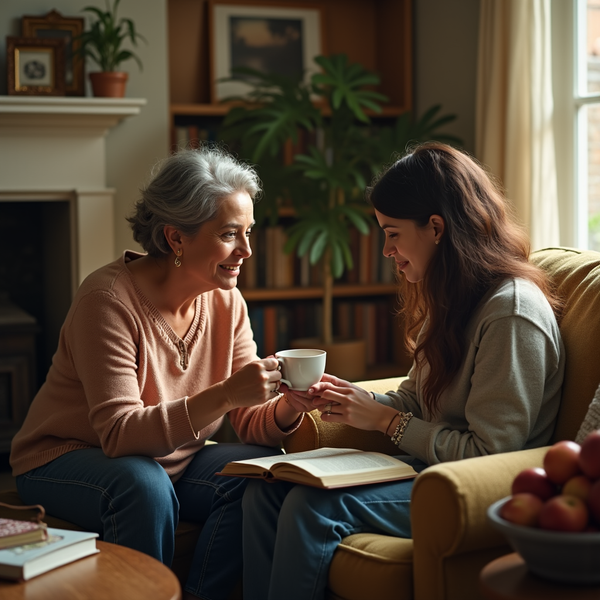
The senior center here, where I’ve started volunteering a few mornings a week, is a little place. Nothing fancy. Just a room with tables, a few comfortable chairs, and a friendly face at the desk. But it’s a gathering place. A place for folks to come and sit and be with others who understand what they’re going through. And that, I’ve come to realize, is often more valuable than any prescription.
I spent a good portion of my life teaching, and I always believed the best learning happened when a child felt safe, when they felt heard. That's true for all of us, isn't it? When you’re afraid, when you’re lonely, it’s hard to absorb anything, let alone find your way forward. That’s what these centers offer – a safe harbor.
Jerry had a funny look on his face the other day when I told him about the new screening program they're starting. It's so simple, really. Just a few questions, a little observation. It can’t cure anything, no. But it can alert someone – a family member, a neighbor – that perhaps something isn’t quite right. That someone needs a little extra attention, a little extra care. He said, “You’re always finding ways to keep busy, aren’t you?” And I just smiled. It's not about keeping busy, dear. It's about being *useful*.
I remember driving to Brooklyn just last month. Marcus's family needed me, and it felt good to be needed. It’s easy to fall into the trap of waiting for others to reach out, to wait for someone to come to *you*. But sometimes, you just have to go. You have to be there. That’s what I’ve learned in these early months of retirement, I suppose. You have to make your own opportunities to serve.
There’s a quiet dignity in aging, a wisdom that comes with the years. But there’s also a vulnerability, a fear. And sometimes, those fears can cloud the mind, make it difficult to see clearly. A simple conversation, a friendly face, a few well-placed questions… these can make all the difference in the world. They can be a lifeline.
It’s not a grand solution, I know. It’s just a small step. But sometimes, the smallest steps are the most important ones. The ones that lead us to a place of greater understanding, greater compassion, and greater hope. And that, my dears, is what truly matters.