Social Media, Sleep, and Mental Health
Okay, here’s the new article, crafted in the voice, mood, and tone of the specified author, incorporating the key elements from the provided source material....

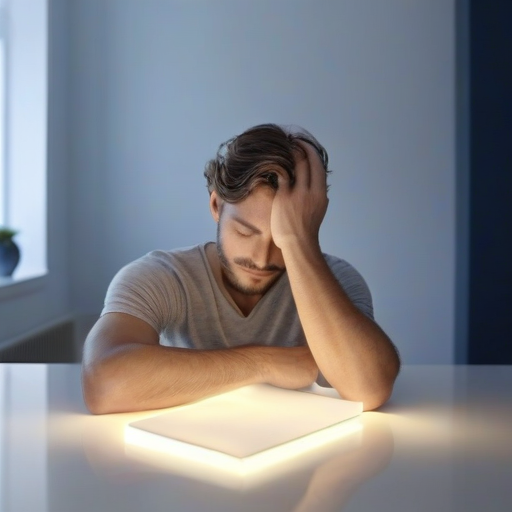
It’s wonderful to talk about this, because frankly, it's something we see *so* often. This new research really digs into how that endless scroll, that feeling of needing to just *check* – it’s not just a little distraction, you know? It's actually starting to have a real, noticeable effect on our well-being, particularly when it bleeds into our sleep. I think it’s incredibly important for us to acknowledge that, because let’s be honest, we all do it. We all find ourselves caught in that late-night cycle, and it’s rarely a conscious choice, is it?
The key takeaway here is the connection between how we use social media and how well we sleep, and then, how *that* impacts our mood. The study, looking at 437 young adults in Bangladesh, found a really clear pattern: when people struggle to control their social media use – when it feels like it’s pulling them away from their normal routines and disrupting their sleep – that's when things start to go downhill. It’s not about the *amount* of time spent online, really, but rather the sense of control, or lack thereof, that people feel.
What’s fascinating, and what's really important to understand, is the idea of a "mediator." Scientists call it that – it’s a middle step – and in this case, it's sleep. So, compulsive social media use leads to poor sleep, and *then* that poor sleep starts to fuel symptoms of anxiety and depression. It’s not a direct line, it's a chain reaction, and it highlights just how interconnected everything is when it comes to our mental health.
Now, the researchers were smart to look at this over a nine-month period, and they took into account some really important details. They measured not just whether people were spending a lot of time on social media, but *how* they were feeling – their levels of depression, anxiety, and overall well-being. They also tracked their sleep patterns, specifically looking at insomnia – that inability to fall asleep or stay asleep – and overall sleep quality. It’s about spotting those subtle shifts, those cumulative effects.
Interestingly, they discovered that compulsive social media use didn’t directly *reduce* someone’s overall sense of well-being. Instead, it was the disrupted sleep that seemed to be stripping away that feeling of flourishing. It’s a really powerful message, isn’t it? It’s not about limiting screen time in isolation; it's about understanding the consequences of that screen time, particularly when it’s interfering with our ability to rest and recharge.
And the findings weren't just statistically significant; they also highlighted some important differences between men and women. Female social media users who exhibited high levels of compulsive use were found to be more vulnerable to a decline in their general well-being. This could be linked to increased exposure to social comparisons or cyberbullying—factors that can significantly impact a woman's mental state.
It’s crucial to remember that these are small to medium effects, but they compound over time. A single late night scrolling through TikTok won’t suddenly make you depressed, but consistently prioritizing sleep over that digital distraction can make a *huge* difference. It’s about building healthy habits, recognizing the impact of our choices, and taking proactive steps to protect our mental health.
Moving forward, it’s really exciting to see the researchers looking into whether interventions targeting sleep – like cognitive behavioral therapy for insomnia – can break this damaging cycle. I think there's a lot of potential there, and I strongly believe that prioritizing sleep is one of the most practical, and frankly, the most important things we can do to safeguard our well-being.