Talking About Periods Openly and Honestly
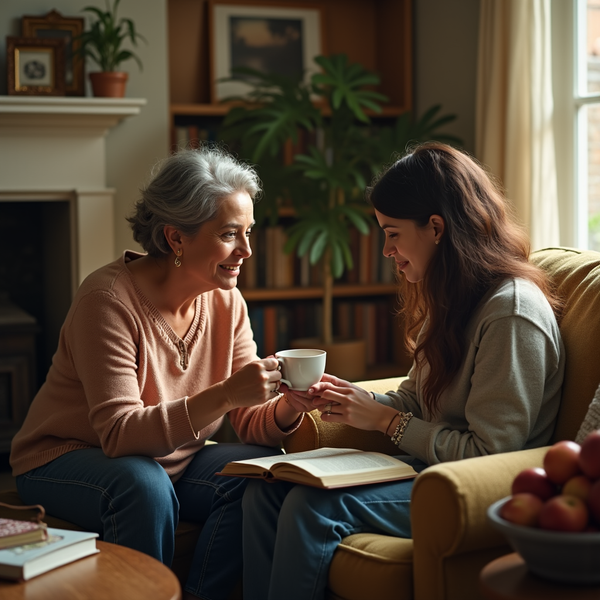
It’s funny how much we avoid talking about things that are just… part of being human. Menstruation, for example. It’s a biological reality for half the popul...

It’s funny how much we avoid talking about things that are just… part of being human. Menstruation, for example. It’s a biological reality for half the population, and yet it's often shrouded in whispers and awkward silences. I've seen it firsthand countless times in my practice, this discomfort layered on top of something so fundamentally natural. Kids come to me with questions, sometimes hesitant, sometimes anxious, always deserving of straightforward answers. And honestly, as much as the books and pamphlets try to help, a lot gets lost in translation.
I remember when my niece, Lily – she’s eight now -- was asking her mom about a classmate's period. Lily’s mom just turned red and said, “Oh honey, that’s… something you don’t need to worry about yet.” It wasn’t malicious; it was the standard knee-jerk reaction, I think. But the look on Lily’s face! It wasn't reassurance, it was confusion magnified tenfold. It just cemented for me how much we unintentionally build up these walls around simple truths.
My own kids were lucky. We talked about bodies from a pretty early age. Not in a clinical way, but as part of the normal discussion of growth and change. When my oldest started showing signs – you know, the breast buds, the slight changes in mood – we had a conversation. It wasn't a 'big talk,' just one small piece of a larger understanding about what their bodies were doing and why. We talked about it like we would any other milestone: learning to ride a bike, losing a tooth. It’s really about normalizing these transitions.
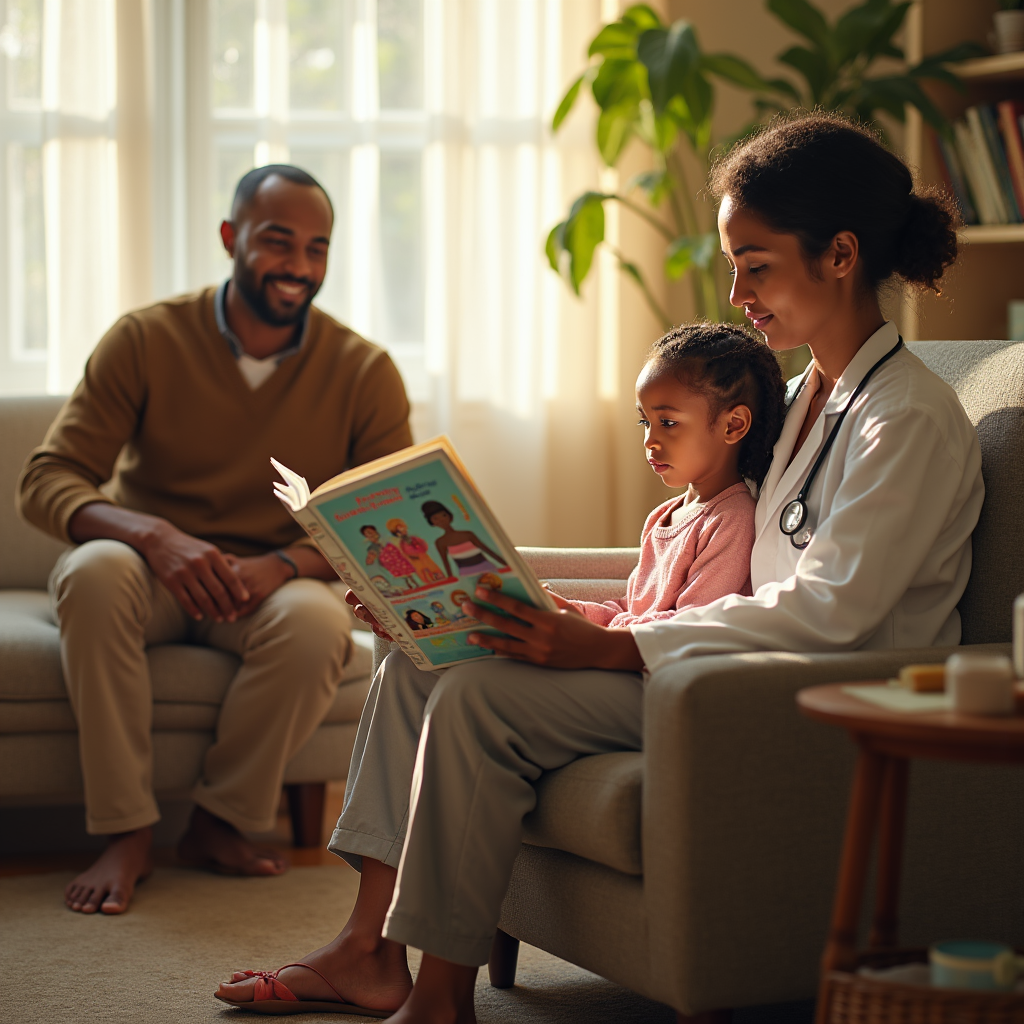
And fathers – or male caregivers in general – have such an important role here. So often, these conversations fall exclusively on mothers or female guardians. That creates this invisible barrier for boys, too. They need to understand what their sisters, daughters, friends are experiencing. It’s not a 'girl thing' to be ashamed of; it’s just life. My brother, he struggled with how to approach the topic with his daughter. I suggested simply explaining that periods are a sign her body is growing and healthy – that it's all part of being human. He started reading books with her about it too, which was a really sweet gesture.
One thing I’ve learned is that kids don't need elaborate explanations or scientific breakdowns. They just want to *know*. They need reassurance that their feelings are normal, and that they can come to you with any questions. When my youngest started expressing anxieties, it wasn't because she didn't understand the biology of menstruation; it was because she was worried about being different, about disrupting her routine. It’s the 'what ifs' that get them – what if it happens at school? What if I leak?
It’s also helpful to build a little ‘just in case’ kit. Not a frantic, panicked grab-bag, but something thoughtfully assembled and explained. A few pads or tampons (depending on comfort level), some wipes, a spare pair of underwear – items that can bring an unexpected situation under control quickly. I always explain *why* we're putting these things together, demystifying the purpose behind them. It’s not about shame; it’s about preparedness and feeling in control.
For trans and non-binary kids, this conversation is even more nuanced and requires extra care and sensitivity. Their relationship with their bodies might be incredibly complex, and it's vital to affirm their identity and validate their experiences. It’s about meeting them where they are, using language that feels comfortable and respectful, and acknowledging that menstruation can be a source of both joy and distress depending on the individual's journey. The key is listening – really *listening* - and validating what they’re feeling.
Ultimately, I think it comes down to creating a space for open communication. A place where kids feel safe asking questions, sharing concerns, and celebrating their bodies as they change. Sunday mornings lately have been so quiet with the kids still asleep after a long week – time to breathe, to reflect on what’s important. And in those moments, I'm reminded that these conversations aren’t burdens; they are opportunities to build trust, foster understanding, and empower the next generation to embrace their bodies with confidence and grace.