The Art of Tinkering Evolving Our World
Sometimes I think about how much we tinker now – with everything. Not in a destructive way, most of the time, but as problem solvers. As makers. It’s deeply ...
Sometimes I think about how much we tinker now – with everything. Not in a destructive way, most of the time, but as problem solvers. As makers. It’s deeply ingrained in us, isn’t it? Just look at my kids; they want to build something *now*. A Lego spaceship that actually flies (it doesn’t), a fort out of blankets and chairs sturdy enough to withstand an imaginary earthquake. They're inherently curious about how things work, and more importantly, how to *improve* them.
That curiosity manifests itself in incredible ways these days, some of which I barely grasp the science behind, but deeply admire the ingenuity of. There’s this fascinating field – it's not new, mind you, decades are involved – where scientists essentially nudge evolution along in a lab. They take enzymes – those tiny workhorses within living things that speed up chemical reactions – and gently push them to become even *better* at their jobs. Think of how yeast makes bread rise, or how digestive juices break down food; it's all enzyme-driven.
We’ve always used these processes in some form or another. Fermentation has been with us for millennia. But what’s changed is our ability to direct that process – to intentionally make those enzymes more efficient or suited for a particular task. Imagine needing an enzyme to break down something new, say, a waste product from manufacturing a fabric we desperately need. Instead of trying to create one from scratch (a monumental and often impossible feat), scientists can tweak existing ones, improving them bit by bit until they do exactly what’s needed.
I was reading about how this directed evolution – that's the best way I can describe it - is making a real difference in industrial processes. Laundry detergent, for example. Those enzymes that help lift stains? They were once incredibly expensive and required harsh conditions to work effectively. Now, through targeted tweaks, they’re cheaper, more stable, and gentler on clothes *and* the environment. It's an elegant solution to a practical problem.
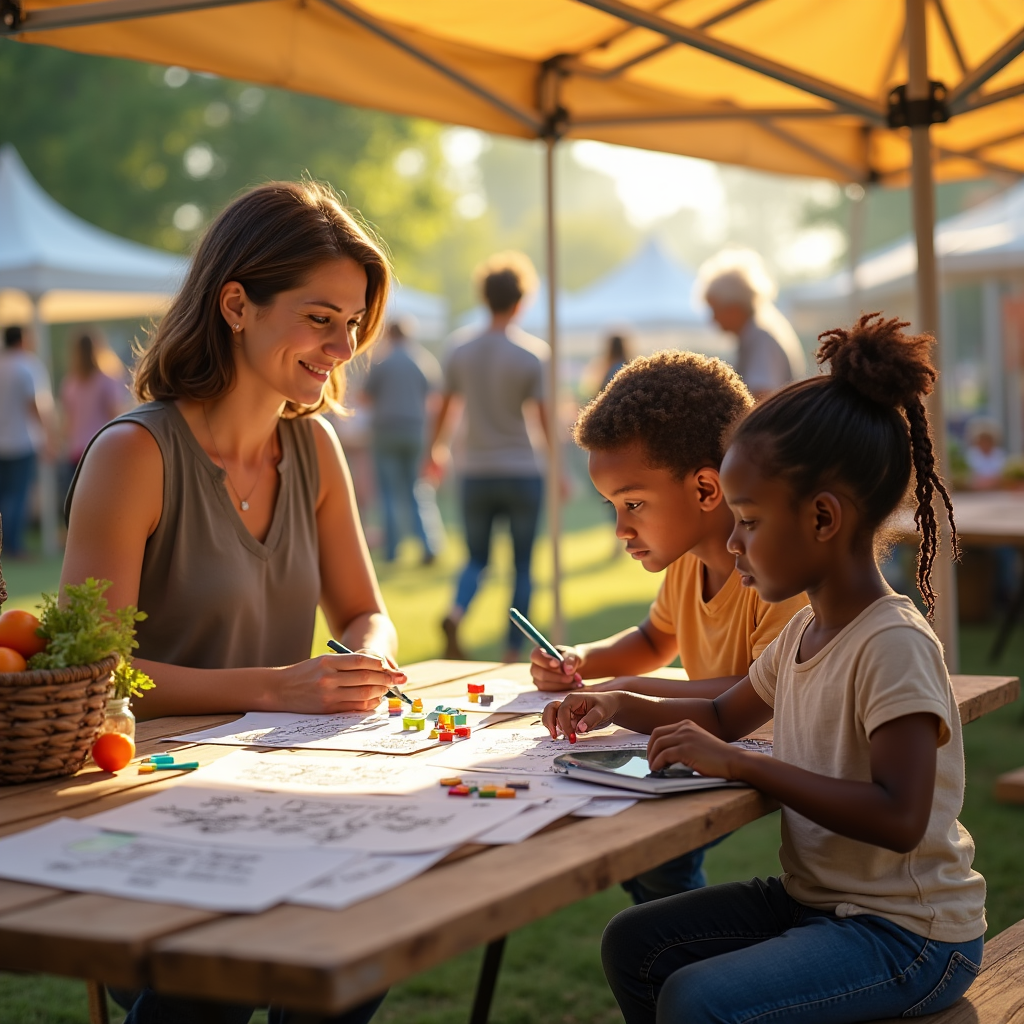
It reminds me a little of my own experience trying to get that adolescent workshop series off the ground for so long. I kept getting bogged down in perfectionism, convinced it needed to be flawless before I even started. But then I realized – sometimes you just need to *start* building something, see what works and doesn’t, and adjust accordingly. Like those enzymes being nudged along through repeated cycles of change, the workshop evolved organically as I began outlining sessions with the kids over Sunday mornings at the farmers market on Ludlow.
There are certainly ethical considerations, of course. Playing with biology always brings a certain weight to the process. It’s responsible stewardship we have to practice – being mindful of unintended consequences and respecting the natural world while trying to improve our own circumstances. It's something I think about when discussing vaccinations or gene therapies with families at the practice as well, really. Balancing benefit with potential risk is a constant tightrope walk.
What's most exciting to me isn’t just the problem-solving aspect – though that’s wonderful in itself - but the sheer creative leap involved. To truly understand something so complex and then be able to manipulate it in this way... it speaks to an incredible level of human ingenuity. It’s a testament to our relentless desire not only to *understand* the world around us, but to actively shape it for the better.
And maybe that's what my kids are doing with their Lego spaceships and blanket forts too - learning how to observe, experiment, adapt, and build something new from what already exists. That’s a pretty powerful lesson – one I hope they carry with them long after those childhood creations have been disassembled and forgotten. It turns out, even at five and eight, they are little scientists, evolving their own worlds, one brick and blanket at a time.