The Darkening of the Pop Song
It’s strange to think that something so seemingly objective as data can feel… unsettling. I read this study—some program, built by people who seem to underst...

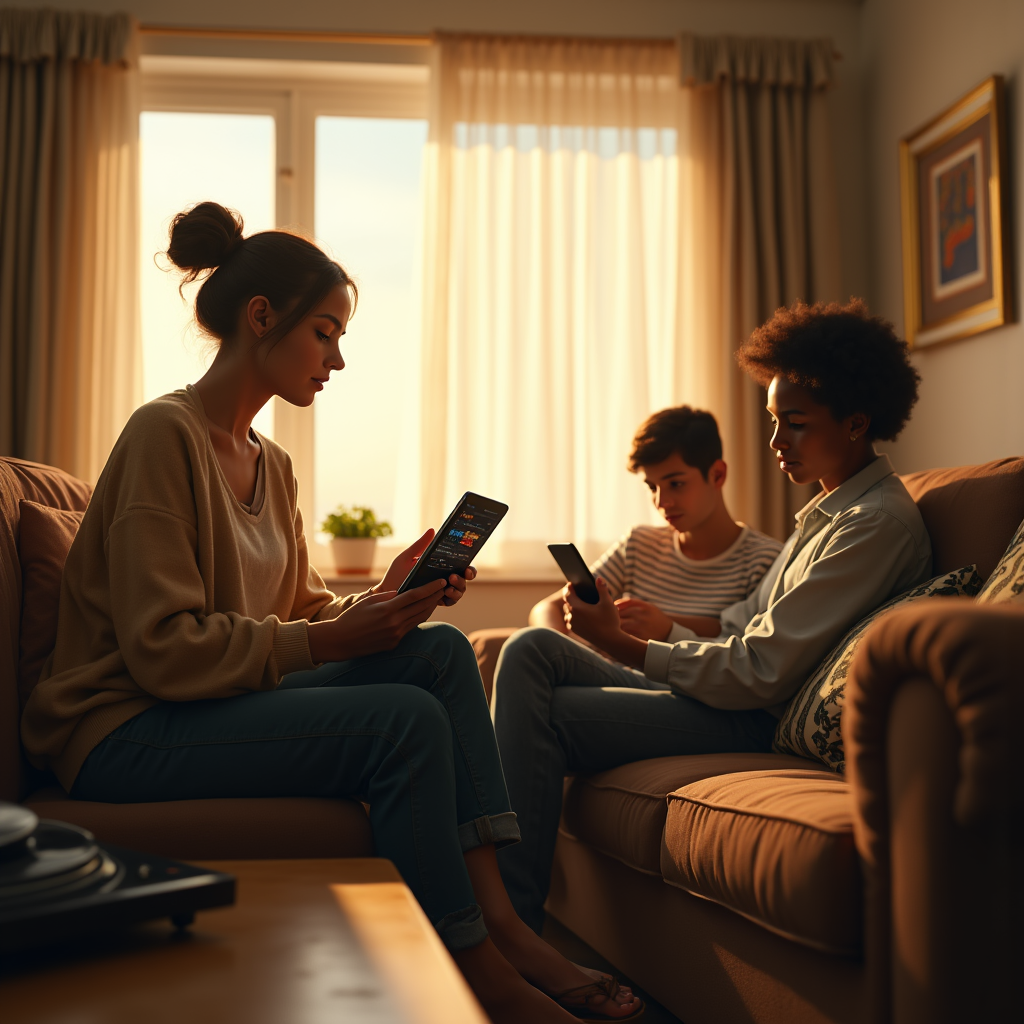
It’s strange to think that something so seemingly objective as data can feel… unsettling. I read this study—some program, built by people who seem to understand algorithms better than I'll ever hope to—that analyzed decades of popular music lyrics and found a clear trend: they’re getting darker. Less about “reach for the stars” and more about, well, everything else. And when I say darker, I don't mean a sudden shift to heavy metal (though it’s certainly been there). It means a subtle erosion of what we might consider… positive themes.
My dad found it hilarious, naturally. “They always complain about the music,” he said, scrolling through something on his phone, probably some sports highlight reel. "When I was your age, they were saying Elvis was corrupting youth." He's got a point, I guess. Every generation thinks their music is different, dangerous somehow. But there’s just…something different about this. It isn't the shock value anymore; it's the pervasive tone.
I remember after the National show last year—the one where I first started to really *get* that my blog could actually reach people beyond my immediate feed—feeling almost overwhelmed by what music could do. Suddenly, these songs felt like tangible things, radiating out in waves. A Phoebe Bridgers song sent two hundred people to my site from Tumblr. Two hundred. That’s more than I ever thought existed just *listening*. It's a weird power, and you start to wonder about responsibility.
It makes me think about all the songs that soundtracked my childhood. Disney soundtracks, obviously. Early Taylor Swift, before she really leaned into… everything. There was an earnestness then, this belief in happy endings and striving for something good. Now? You’re hard-pressed to find a pop song—or even much of anything on popular music charts—that isn't steeped in cynicism or outright despair.
My mom always supports what I do, bless her. She’ll read my blog posts – she still doesn't entirely understand it, but she likes that I’m writing – and offer vague encouragement. "That's very…thoughtful," she'll say. But this isn't just thoughtful; it feels significant. If popular music is supposed to be a mirror of society, what does this dark reflection mean? Are we all just collectively succumbing to some fatalistic narrative?
The algorithm doesn’t understand nuance. It can track keywords and sentiment, but it can’t grasp the complexity of human emotion or the cultural context that shapes it. A song about heartbreak isn't necessarily an endorsement of sadness; it might be a cathartic release. But when those songs become the *norm*, when vulnerability is exploited for commercial success, what message are we sending to kids who are already struggling?
It's not entirely the fault of the artists, either. The music industry demands hits, and darker themes often grab attention—it’s a shortcut to virality in an era where everything moves so fast. And let’s be honest, sadness *is* relatable. Maybe people just want to feel seen, even if that means wallowing in something unpleasant. I do sometimes. The relief of knowing you're not alone is powerful.
I don't have any answers, and the study probably doesn't either. It just presents a trend, a pattern identified by a machine learning program. But it got me thinking about what we consume, what we celebrate, and the stories we tell ourselves about who we are as a culture. Maybe this isn’t a sign of societal decay; maybe it’s just…evolution. Or maybe my dad is right and everyone always complains about music. I guess time will tell.