
The Digital Wave and Our Children
Sometimes, I feel like I’m just standing on the edge of something, watching a wave build. It’s not a crashing wave, not yet, but the swell is there, a persis...

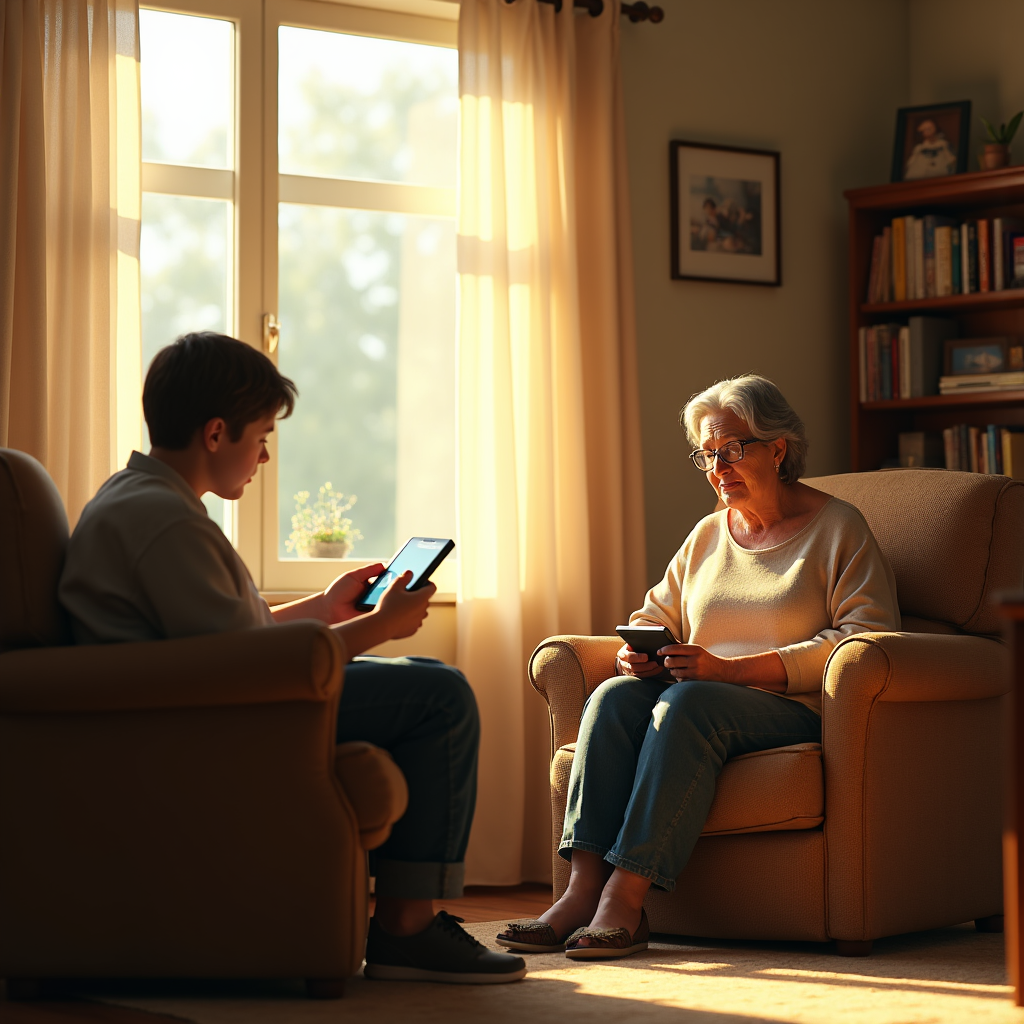
Sometimes, I feel like I’m just standing on the edge of something, watching a wave build. It’s not a crashing wave, not yet, but the swell is there, a persistent unease about the way our kids are growing up in this digital world. There’s a recent study making its way around – I’ve seen mentions of it, and you’ve probably seen them too – looking at how video game habits seem to correlate with changes in the developing adolescent brain. I always feel a little hesitant to jump on these headlines, especially when they involve children.
My middle child, Liam, is ten. Ten is a tricky age. Suddenly, independence feels like a birthright. He’s discovered online multiplayer games and, honestly, navigating that has been… a process. It's not that he’s *doing* anything wrong, but the amount of time dedicated, the intensity of his focus, the way he describes these virtual worlds with such fervor – it’s startling sometimes. It reminds me of something I read once about how the brain prioritizes novelty, how dopamine rushes reinforce patterns, and I wonder, what patterns are being laid down right now?
The study, as I understand it, focused on differences between single-player and multiplayer gaming, which is smart. Single-player games, even those involving complex strategy or problem-solving, are, in a way, contained. The narrative is linear, the goals defined. Multiplayer games, especially those with a competitive element, throw a whole other layer of social complexity into the mix. It’s not just about mastering a skill; it’s about navigating hierarchies, dealing with frustration, learning to cooperate, or, less desirably, engaging in conflict. All of that wiring, all of that learning…where does it fit into a still-developing brain?
It’s so easy to fall into the trap of thinking correlation equals causation. I learned that lesson pretty sharply a few years ago when a client's child was exhibiting some concerning behaviors. We initially suspected one factor – a change in diet – but it turned out to be a confluence of things: sleep deprivation, a family upheaval, and an unaddressed learning difficulty. Attributing the problem to just the diet was a gross oversimplification, and it delayed getting him the help he really needed. That's how I feel about these kinds of studies – they point to a potential connection, but we can't assume one thing *causes* another. There’s always more to the story.
My father’s stroke, a few months back, really drove that point home. The recovery has been remarkable, he’s himself again, mostly. But those weeks were… intense. My mother, bless her heart, needed so much support. And suddenly, you’re looking at how fragile things can be, how quickly a life can be altered. It made me acutely aware of how much we ask of our children, how much they’re absorbing, often without us fully understanding the long-term consequences.
As a pediatrician, I've always stressed balance. It's a cliché, I know, but it's the truth. Balance between screen time and outdoor play, between structured activities and unstructured free time, between academic pressure and emotional well-being. It’s not about banning video games – that's unrealistic and probably counterproductive. It’s about fostering a mindful approach, a sense of awareness about how these digital worlds are shaping our kids' minds and their perspectives.
I think educators, too, have a vital role to play. We need to move beyond simply restricting access and start conversations. Honest, open discussions about responsible gaming habits, about online safety, about recognizing the signs of addiction, about understanding the difference between a healthy challenge and a source of chronic stress. It's not about scolding or lecturing; it’s about equipping them with the tools to navigate this complex landscape.
Ultimately, it’s about trust. Trusting our children to make informed choices, even when those choices involve something as seemingly simple as a video game. It’s also about trusting ourselves to remain vigilant, to observe, to listen, and to adjust our approach as needed. The wave is building, yes, but so is our ability to understand it, to guide our children through it, and to help them learn to ride.