The Grace of Seeing Others
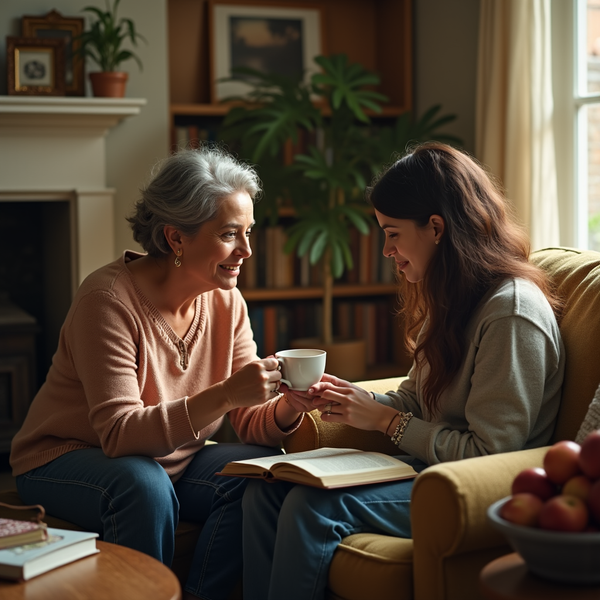
Sometimes, I think we forget how to simply *see* each other. Not just look, mind you, but truly *see*. It's easy to let the little disagreements, the petty i...

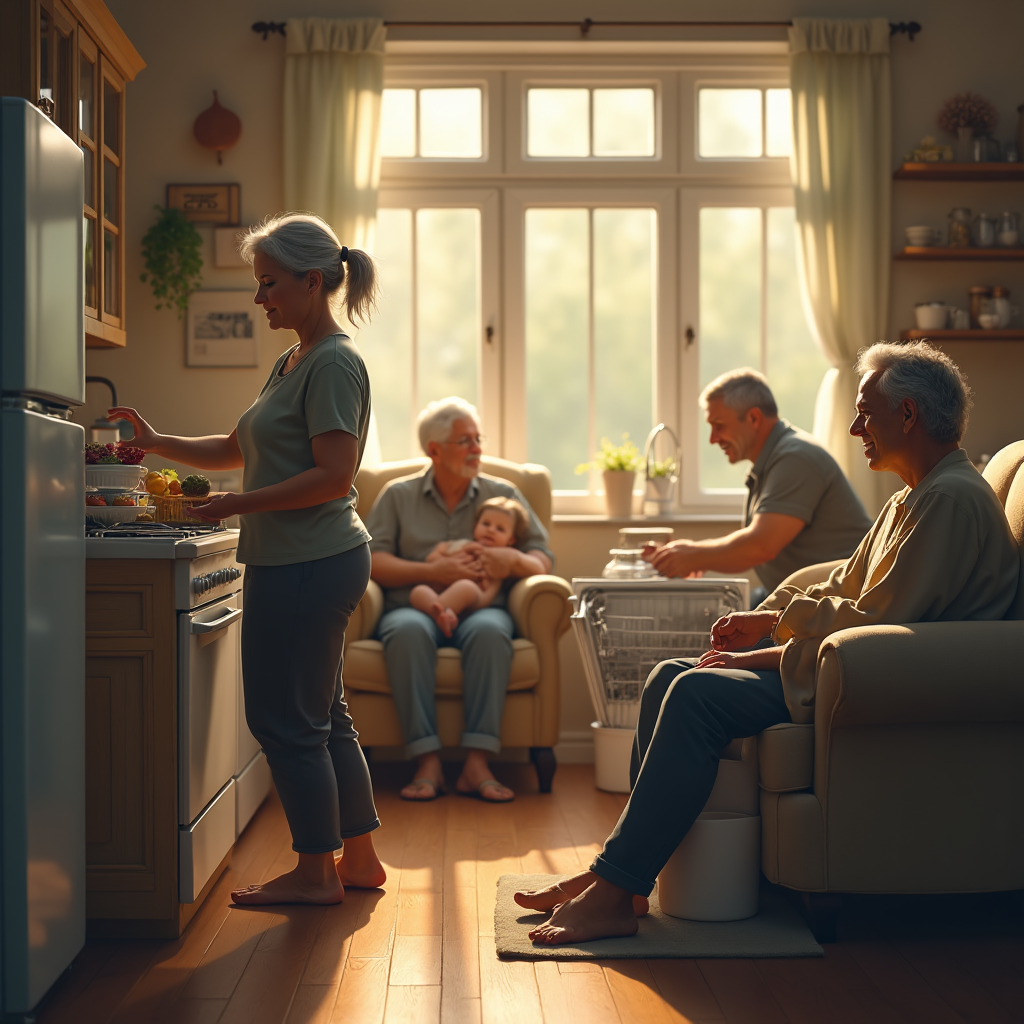
Sometimes, I think we forget how to simply *see* each other. Not just look, mind you, but truly *see*. It's easy to let the little disagreements, the petty irritations, build a wall between us, a wall so high it blots out the good things we appreciate. I’ve noticed it, especially these past few years. Watching my grandchildren grow, I see it in their squabbles too – a moment of frustration leading to a harsh word, then a stubborn silence. It’s a lesson we all need revisiting.
It reminds me of a conversation I had with Jerry just a few months ago, after that trip to Ponte Vedra. He’d been so wonderfully content, holding Lily for hours, humming softly. I remarked that I felt like I was finally beginning to understand what retirement would truly be like. He just smiled and said, “You’re noticing now?” It wasn’t a teasing remark, not at all. It was a gentle observation, pointing out that I’d been so busy *doing*, I'd missed something important – the simple grace of being present.
And it is in that presence, that quiet observation, that compassion truly begins. It isn't about agreeing with everything someone says or does, heavens no! People are complicated. Kevin, bless his heart, is a whirlwind of activity these days. He’s working so hard for his family, and sometimes that work makes him…well, short. I see the worry etched on his face, the weariness in his shoulders. It’s easier to be irritated by his temper than to remember the weight he carries. It’s easier to focus on the frustration than the love that motivates his actions.
It's a fault of mine, I confess. It's easy to magnify the imperfections in others, especially when we feel insecure about our own. It’s a natural human tendency, I suppose, but a dangerous one nonetheless. When we find someone’s flaws particularly irritating, it’s often because we fear those same flaws within ourselves. It’s a sort of… mirroring, isn't it? Seeing our own anxieties reflected back at us through another person’s actions.
I remember a time, a long time ago, when I was quick to judge a young colleague. She was different from me, spoke differently, lived differently. My judgment created a distance between us that served no one. It wasn't until years later, after a chance encounter, that I understood the struggles she’d been facing, the circumstances that shaped her choices. That realization stung, and I've tried to carry that lesson with me – to look beyond the surface, to seek to understand before seeking to condemn.
Forgiveness isn’t about excusing wrongdoing. It’s about releasing the bitterness that poisons your own soul. It’s about recognizing that everyone is fighting a battle we know nothing about. And sometimes, the kindest thing we can do is simply offer a hand, a listening ear, a moment of understanding. I made a point of organizing the freezer when I was at Ponte Vedra, and cooked for the family the first week – small things, perhaps, but acts of love that ease burdens and build connection.
Boundaries are important, of course. We need to protect ourselves from harm, to draw lines that safeguard our own well-being. But those boundaries shouldn't become walls, impenetrable barriers that prevent us from offering grace. They shouldn’t be used as excuses to avoid discomfort or challenge. Real kindness often requires stepping outside our comfort zones, offering compassion even when it feels difficult, even when we disagree.
It's a lifelong practice, this work of seeing others with compassion. It takes constant vigilance, a willingness to challenge our own assumptions, and a deep well of humility. And like any practice, it’s imperfect. I stumble, I fail, I judge too quickly. But I keep trying. Because I believe, deep in my heart, that the world desperately needs more of it. It’s a quiet strength, a gentle power, and it begins with a simple choice: to *see* the person before us, just as they are.
Jerry said he’d been waiting for me to notice, that retirement would be good. He was right, of course. Not because of the freedom it offers, but because it’s given me the space to focus on what truly matters: connection, understanding, and a little more compassion for the souls around me.