The Hidden Hurt of Childhood Bullying
It’s startling, really, the research coming out now about bullying and how deeply it can burrow into a child's sense of safety. We’ve always *known* bullying...

It’s startling, really, the research coming out now about bullying and how deeply it can burrow into a child's sense of safety. We’ve always *known* bullying was awful, of course. Every parent has sat through the tearful retelling of a playground slight, the whispered anxieties about the lunchroom table. But to understand that these experiences can trigger trauma symptoms—to see how profoundly they can reshape a child's view of the world—that’s a different level of awareness.
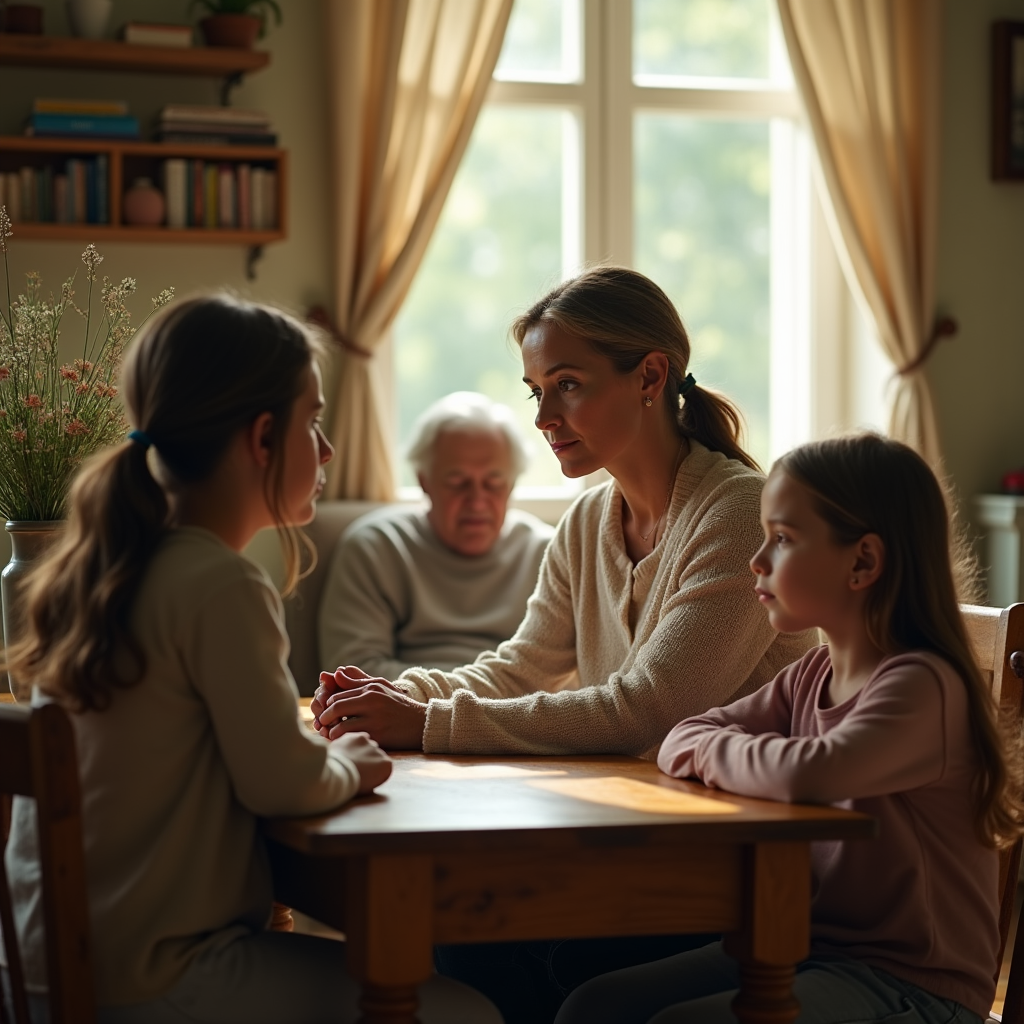
I’ve been seeing it in my practice, certainly. It’s not just the obvious, physical kind of bullying. It's the insidious exclusion, the silent treatment, the relentless teasing disguised as “just joking.” My middle child, Lily, is having some struggles at school right now. Not the dramatic, punch-in-the-face kind of thing, but something subtler. A group of girls, she tells me, just… doesn't include her. Doesn't invite her to birthday parties, doesn't acknowledge her on the playground. It’s a quiet kind of pain, and it’s ripping at her. She’s usually so exuberant, so full of light, and now she's withdrawn, quiet. It breaks my heart.
And it's not just about Lily, of course. It's about every child facing that kind of relentless social pressure. I remember feeling that kind of isolation myself, years ago. Not bullying, precisely, but that feeling of *otherness*, of not quite belonging. It leaves a mark. It shapes how you see yourself, how you approach relationships, even how you view your place in the world. We tend to dismiss those early hurts as childhood fancies, things kids “grow out of.” But what if they’re not? What if they’re seeds of something deeper, something that takes root and continues to affect you long after the playground is behind you?
What’s so disheartening is the disconnect I see between what kids are experiencing and what adults—teachers, administrators—are aware of. Sometimes, the cruelty isn't loud or obvious. It’s a calculated campaign of exclusion, a carefully orchestrated dance of social pressure. It's easy to miss if you’re not paying attention, if you're not actively listening for the unspoken anxieties. And I can tell you, as someone who’s been immersed in the world of pediatric care for so long, it’s incredibly hard to see the things kids don't directly tell you. They are masters of minimizing, of protecting themselves.
There’s also the issue of what we’re calling “cyberbullying” now, although “digital unkindness” might be a more accurate description. It's not just the older kids, the teenagers sharing cruel memes. It's younger, shockingly younger. Lily’s friend, Sophie, was upset about a picture shared online—something silly, seemingly harmless—but it became a source of immense shame and hurt. The permanence of it, the way it can be circulated and reshared without consent, it's brutal, even for a seven-year-old. It’s eroding a child's sense of safety in a way we just didn’t anticipate.
I’ve been thinking a lot about my dad lately. He had his little stroke a couple of months ago. Seeing him so vulnerable, so dependent, it forces you to confront the fragility of things. It’s easy to want to shield children from pain, to pretend that the world is a safe and predictable place. But it isn’t. And the more we try to protect them, the more important it is that we equip them with the tools to navigate those inevitable hurts, to build resilience, and to know that they are loved and supported, no matter what.
We need to shift our perspective, I think. We can't just punish the bullies. We need to educate everyone—the children doing the hurting, the children being hurt, and the adults who are supposed to be guiding them. We need to create spaces where kids feel safe to speak up, to report what’s happening, and to seek help without shame. It means a more active role for teachers, a more conscious awareness of the dynamics in the classroom, a willingness to delve beyond the surface-level explanations.
And perhaps most importantly, it means reminding our children—and ourselves—that their worth isn’t determined by popularity or acceptance. It’s inherent. It’s a given. It’s something that cannot be taken away by the cruelty of others. It’s a message I’m trying to convey to Lily, and it’s a message I need to continually remind myself of as well. Because sometimes, dealing with the fallout from those moments of childhood pain feels overwhelming. But we can’t afford to look away.