The Hidden Roots of Connection and Care
Sometimes, as a pediatrician, I feel like I’m wading into the tangled roots of someone’s story without ever seeing the tree. It isn’t always about what you s...

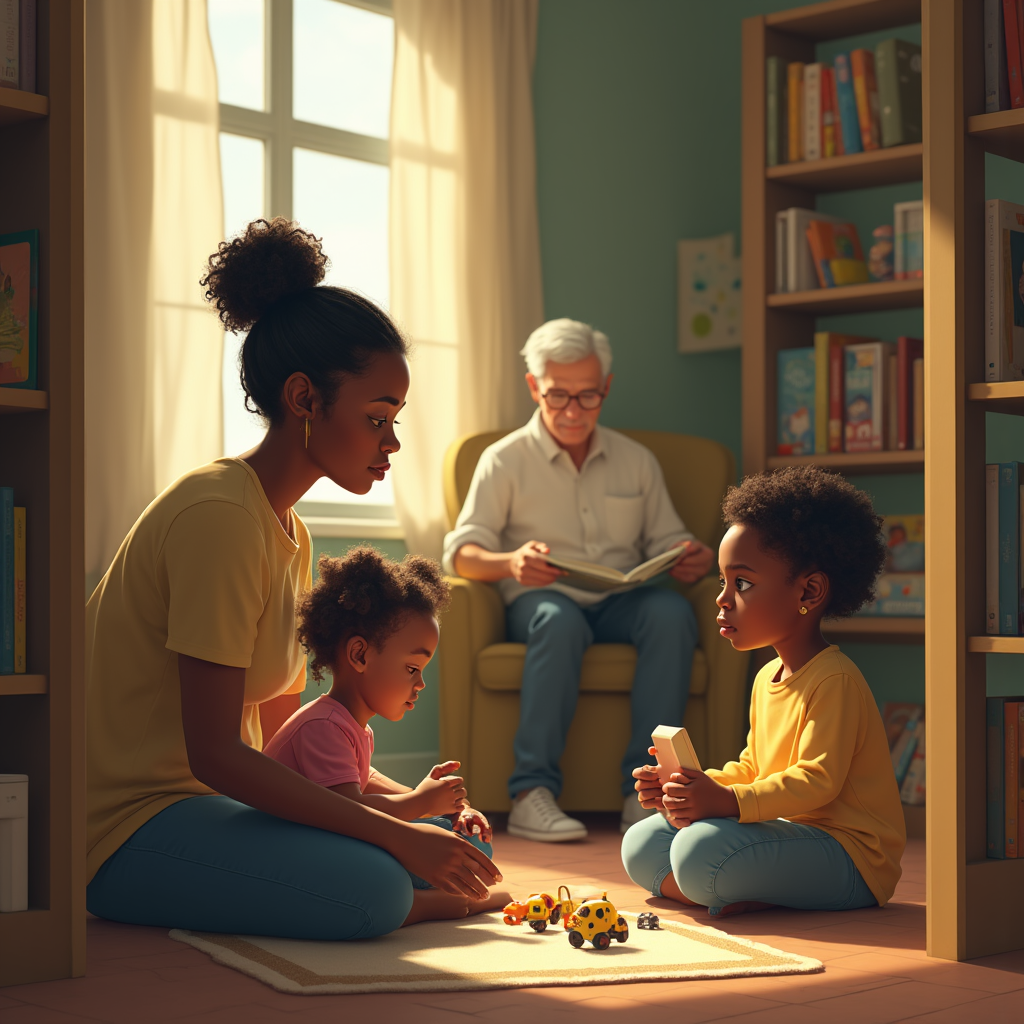
Sometimes, as a pediatrician, I feel like I’m wading into the tangled roots of someone’s story without ever seeing the tree. It isn’t always about what you see in front of you – the sniffles, the scraped knees, the sudden refusal to eat anything but beige foods. It's about what’s underneath, the history humming beneath the surface that shapes how a child interacts with the world and, crucially, with other people. Lately, I’ve been reading more about oxytocin, often called the “love hormone,” and it’s offered a new lens through which to understand some of those hidden histories.
We all know, instinctively, that kindness isn't always automatic. My middle child, bless her heart, has had moments this year where sharing feels like pulling teeth. It's not malice; she just needs a little extra nudge, a gentle reminder that someone else’s happiness can coexist with hers. That inherent need to connect, to care, to offer comfort – those are things we're born with, but how they *manifest* is deeply influenced by what shapes us early on.
Oxytocin, it turns out, isn’t simply a switch that flips on empathy. It’s more like clay. Early experiences mold it. Research coming out of several labs has shown that adversity – and I mean truly significant adversity: neglect, loss, constant instability – can alter how the brain responds to oxytocin. It's as if the wiring gets subtly rerouted, changing the way our brains process social cues and shape compassionate responses. The lead researcher at one lab showed me data suggesting a direct link between early hardship and diminished altruistic behavior, which frankly landed with a quiet thud.
I’ve seen it play out in my practice, though I didn’t have the language to describe it then. There was this little boy, Liam, who'd come in for well-child visits. He seemed perfectly healthy on paper but rarely made eye contact and recoiled from touch. His mom, a single parent working two jobs, explained that he'd been through a lot – multiple foster homes before she adopted him. She said he was “fine,” but you could see the worry etched into her face. It took years of patient, consistent care – not just medical checkups but genuine connection, predictable routines, and lots of quiet reassurance – for Liam to slowly start trusting people again.
This isn't about blaming anyone or defining children by their pasts. It’s understanding that the neural pathways forming during those crucial early years are susceptible to influence. Think of my own dad lately. The stroke wasn't devastating, but it highlighted just how fragile things can be and underscored Mom’s anxieties too. I spent months driving back and forth to Norwood, a familiar route now weighted with tension, witnessing firsthand the toll that fear and uncertainty take on a family – the impact ripples outward. We were lucky; we had resources and support. Not everyone does.
So what can we do? It's not about forcing altruism – you can’t just inject oxytocin and expect instant kindness. The most promising avenues seem to be focused on creating secure, nurturing environments. Predictability is key. Consistent caregiving. Opportunities for positive social interaction, even if those interactions are initially mediated by an adult. Programs that foster emotional literacy – helping children name their feelings and understand the feelings of others – can also be incredibly helpful. These interventions aren’t about fixing a broken brain; they’re about providing scaffolding, strengthening existing neural connections, allowing for growth.
I think about my middle child's social struggles at school, too. It isn't as profound as Liam’s experience or the challenges faced by so many children worldwide, but it is a signal – an indication that she needs some extra support in navigating the complexities of peer relationships. Sometimes, just a few minutes of focused attention and a patient explanation can make all the difference. Reminding her that sharing isn’t about sacrifice; it's about building connections.
Ultimately, this research offers a glimmer of hope. It confirms what I've always believed as a pediatrician and a mother: resilience is real. The brain is incredibly adaptable. Even after significant hardship, there’s potential for change, for growth, for the cultivation of empathy and compassion. We can't erase the past, but we *can* create pathways towards a more connected future – one small interaction, one reassuring gesture, one story shared at a time.