The Performance of Being Better
It’s weird to think about how much effort people put into seeming…better. Not just good – *better*. Like, actively trying to one-up each other in a way that ...

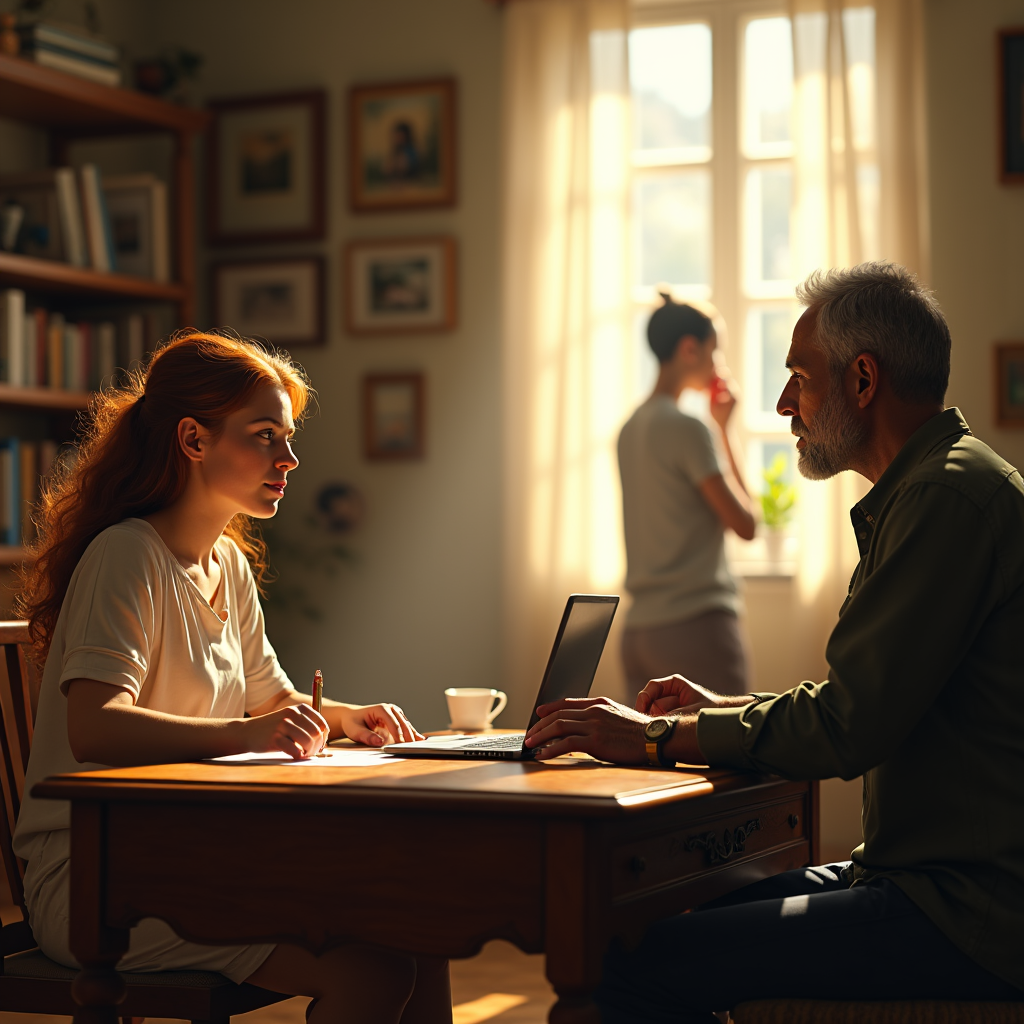
It’s weird to think about how much effort people put into seeming…better. Not just good – *better*. Like, actively trying to one-up each other in a way that feels both incredibly obvious and quietly pervasive, especially when it comes to dating. I saw this study recently, something about research connecting the desire to feel “above” others with certain personality types across different countries, and it just clicked into place with some things I've been noticing online. It’s not groundbreaking stuff, probably; human nature isn’t exactly a surprise. But reading through it made me think about how much of that instinct is fueled by this relentless pressure to *perform* for others.
My dad always used to say, “Don’t try so hard.” He meant well, I guess, but he couldn't really grasp the dynamic – not because he was a bad person, just because…well, he didn't grow up with Instagram. Or dating apps. He got married young and genuinely doesn’t understand this whole culture of curated online personas. It feels almost childish to analyze it sometimes, like pointing out the obvious, but seeing this study laid some of the underlying motivations bare in a way that made sense of all the seemingly pointless maneuvering I've witnessed – both from myself and others.
I remember once scrolling through profiles on an app (it was one of those swipe-until-you-find-something-that-sort-of-clicks situations) and feeling this weird, hollow ache. Everyone seemed to be projecting a polished version of themselves – hiking photos strategically cropped to showcase abs, travel pics that looked suspiciously like stock photography, hobbies listed in order of perceived coolness. It wasn't just about finding someone you liked; it was about showcasing the best possible *you*, and implicitly, implying that your life was more interesting, more adventurous, or somehow…better than theirs.
That National show last year – the one that really made me realize this blog could actually *reach* people – felt like a moment outside of all that. It wasn't about looking cool; it was just about experiencing something real and sharing my thoughts on it. The connection I felt with the music, and even with the small crowd of strangers around me, felt authentic in a way online interactions rarely do. And then I went back to refreshing Tinder, staring at faces trying to signal desirability, and the contrast was jarring.
My mom always encouraged whatever creative things I did, but she’d also say, “Don't take it too seriously.” It wasn’t criticism; it was just her way of protecting me from disappointment. She wanted me to be happy, regardless of whether my blog gained a million followers or if I ever got recognized for my writing. Which is nice in theory, but sometimes you *want* the recognition, right? Sometimes you want people to see that you’ve put effort into something and acknowledge it. But then what does that acknowledgement actually mean? Does it make you better?
The study talked about how these competitive tendencies seem to be pretty universal – popping up in different cultures despite varying societal norms. Which makes you wonder if it's just…baked in. Part of being human. Like, we’re all subconsciously trying to climb some invisible ladder, even when we claim we don’t care about social status or appearances. It also made me consider how much we *internalize* these expectations. We become our own worst competitors, judging ourselves by standards we set based on what we see online and in magazines.
I've definitely been guilty of it, too. Tweaking a photo just so, adding another interest to my profile that I wasn’t really passionate about because it seemed “impressive.” It always felt…off. Like playing a part instead of being myself. And the funny thing is, I suspect most people feel that way – they're performing for an audience they’re not even sure exists. Or maybe they *do* exist, but their perception isn't quite as clear-cut as the carefully constructed image you present them with.
It’s a cycle. A feedback loop of insecurity and validation seeking. And honestly? It’s exhausting. I think I need to go back to focusing on what I enjoy – writing about Phoebe Bridgers, going to shows that make me feel something real, and just…existing without having to constantly prove it to anyone else. Maybe my dad was right all along. Maybe trying so hard isn't the answer.