The Power of Connection and Support
--- You know, it’s funny, I’ve spent my career listening to children and families, and one thing keeps popping up – the incredible power of simply *feeling* ...

---
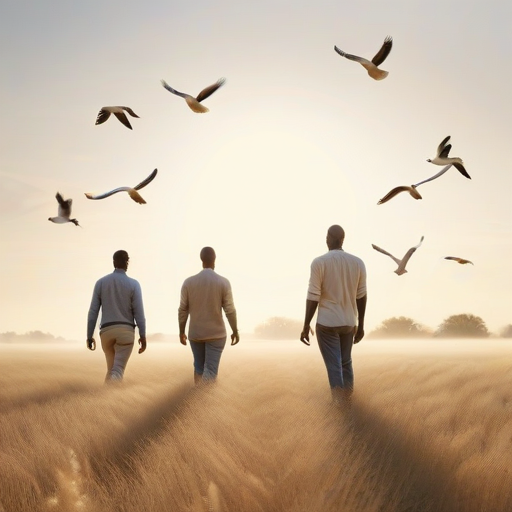
You know, it’s funny, I’ve spent my career listening to children and families, and one thing keeps popping up – the incredible power of simply *feeling* like you’re not alone. It’s a truth that’s echoed in everything from the way flocks of birds fly together, to the way a supportive friend can shift your entire perspective. I was thinking about this the other day, really pondering how much our experiences are shaped by the connections we make, and it struck me – we’re fundamentally built for this kind of mutual support. It’s not a grand, dramatic gesture, necessarily. It’s the quiet understanding that someone is “with” you, even if they aren’t physically there.
I remember those long bike rides with the group, that feeling of pushing forward together, drafting behind someone. Suddenly, the effort feels…lighter. It’s not magic, of course, but it’s a powerful illustration of how shared intention can transform an experience. And that’s a beautiful metaphor for so many of the challenges we face in life, isn’t it? A daunting task, a painful memory, a moment of uncertainty – it becomes manageable when you recognize that you're not facing it completely alone.
There’s some really fascinating research now looking at how perceived social support impacts our physical well-being. They actually did a study with handgrip tasks, and participants who were shown pictures of supportive people performed *significantly* better, especially when the task was more difficult. It’s not just about encouragement; it’s about the sense of connection, the feeling of being part of something larger. It makes you think about the science behind that “circle of care” we all instinctively seek.
What’s truly remarkable is that this effect was observed when participants simply *looked* at a picture of someone supportive. The actual person wasn’t even present! This gets to the heart of how our minds interpret signals – how we use our imagination to tap into a reservoir of strength and resilience. This reminds me of a situation a few years back, driving to the ER with a family member in distress. Unable to use my phone, I focused on visualizing a supportive network, seeing the faces of loved ones, hearing their calming voices. It made the tense drive so much more bearable.
Now, let’s talk about the science behind this. Research suggests that our nervous systems respond to perceived support in really interesting ways. The polyvagal theory suggests that these supportive figures can actually "reset" our autonomic nervous systems, shifting us away from the fight-or-flight response and towards a state of calm regulation. It’s like a gentle nudge, a reminder that we’re safe, that we’re not alone.
And it’s not just about passively receiving support; actively *offering* support can have profound benefits for both the giver and the receiver. I’ve seen it firsthand – volunteering, helping a neighbor, even just offering a listening ear – it brings a sense of purpose, reduces stress, and, surprisingly, can even ease physical pain. A study explored this, and those who engaged in altruistic behaviors reported less pain during stressful situations, and their brains showed decreased activity in areas associated with pain perception.
I’ve always believed that small acts of kindness ripple outwards, creating a chain reaction of positivity. It's like a pebble dropped into a pond – the impact extends far beyond the initial splash. Try this: next time you’re struggling with something, or someone else is, simply think about how you can offer a little support, a word of encouragement, or a helping hand. You might be surprised at the difference it makes – for both of you.
And, honestly, it’s a beautiful reminder that we’re all connected. That we're not isolated individuals facing our challenges in a vacuum. Finding ways to connect, to support, to *draft* with others, is a fundamental human need. It’s how we thrive, how we heal, and how we find the strength to keep moving forward, together.