The Quiet Anxiety of Preparedness
Sometimes, the things that seem utterly, wonderfully bonkers – the intricate, sprawling preparations for events that have a vanishingly small chance of happe...
Sometimes, the things that seem utterly, wonderfully bonkers – the intricate, sprawling preparations for events that have a vanishingly small chance of happening – aren’t born of madness. They’re born of something quieter, something I think of as a kind of quiet anxiety layered over a fundamental respect for systems, and an honest acknowledgement of how little we truly *know*.
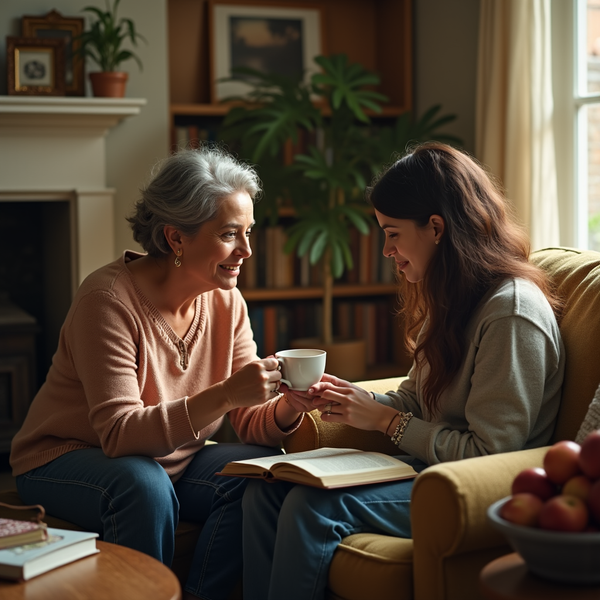
I’ve been thinking about this a lot lately. Watching my dad recover from his stroke – a "minor" stroke, they called it, a phrase that simultaneously downplays the gravity and highlights the unpredictable nature of the human body – has really underscored that. We get so comfortable in our routines, in the illusion of control. Suddenly, that illusion shatters, and you’re faced with the sheer fragility of everything. It's humbling.
I remember a friend, a brilliant engineer, pouring over calculations for a scenario involving… well, let’s just say it involved a surprisingly detailed and rather improbable astronomical alignment, and the potential for localized gravitational anomalies. The specifics are honestly not important. What struck me was the rigorous process he went through. Not a hysterical panic, not a leap into unfounded fear, but a meticulous examination of data, an assessment of potential risks, and a construction of a response plan. He wasn't *believing* this would happen. He was *preparing* for it, because the potential consequences, however unlikely, warranted a degree of planning.
I understand that impulse. Maybe it's the pediatrician in me, always assessing risk, constantly running through worst-case scenarios. Maybe it's the older sister, seeing how quickly life can change, how fragile those routines are that we construct around ourselves and the people we love. It's also, I suspect, a subconscious act of agency – a way of saying, "I acknowledge the possibility. I won't be entirely powerless if something happens."
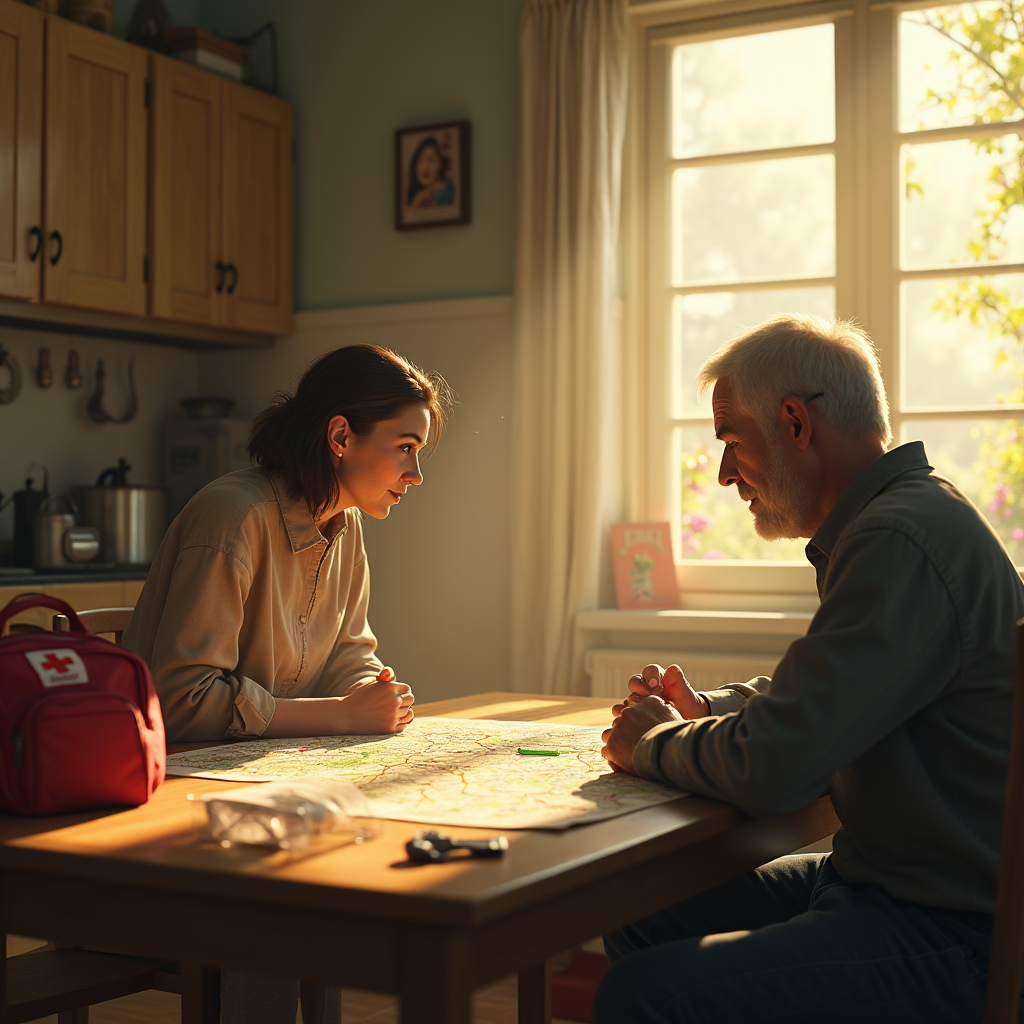
I remember during those weeks driving to Norwood, three times a week, the exhaustion was profound. It wasn't just the physical fatigue of the drive. It was the weight of worry, the constant wondering, *what if?* I found myself obsessively checking the car’s fluids, ensuring the emergency kit was fully stocked – not because I expected a breakdown, but because the thought of being stranded, alone, felt… unbearable. It was a small thing, a tiny act of preparedness, but it offered a flicker of control in a situation that felt increasingly chaotic.
There's a fine line, of course. Between prudence and paranoia. Between thoughtful planning and crippling fear. The line blurs when distrust enters the equation. When we lose faith in institutions, in experts, in the systems that are supposed to protect us, we’re more likely to seek answers in the shadows, to embrace explanations that, while comforting in their apparent certainty, are often built on shaky foundations. It's easy to succumb to the narrative that *they* aren't telling us something, that *we* need to be ready.
My middle child's teacher called recently, concerned about some social difficulties at school. It's a surprisingly common problem these days, I find. Kids are anxious, hyper-aware of potential dangers, both real and imagined. They've grown up in a world saturated with information, much of it alarming and often misleading. It's our job, as adults, to help them navigate that landscape, to teach them to discern fact from fiction, to cultivate a healthy skepticism alongside a sense of cautious optimism.
Because ultimately, it's not about denying risk. It's about understanding it, and responding to it in a way that doesn't paralyze us. It's about accepting that we can’t control everything, and finding comfort in the small acts of preparation that allow us to face the unknown, however improbable, with a little more resilience. It's about remembering that even in the face of uncertainty, there's still room for hope, for connection, and for a little bit of quiet courage.