
The Quiet Strength of Growing Up
Sometimes, I think the hardest thing about being a grandparent is seeing a sweet child, full of promise, simply… give up. Eli, my oldest grandson, bless his ...

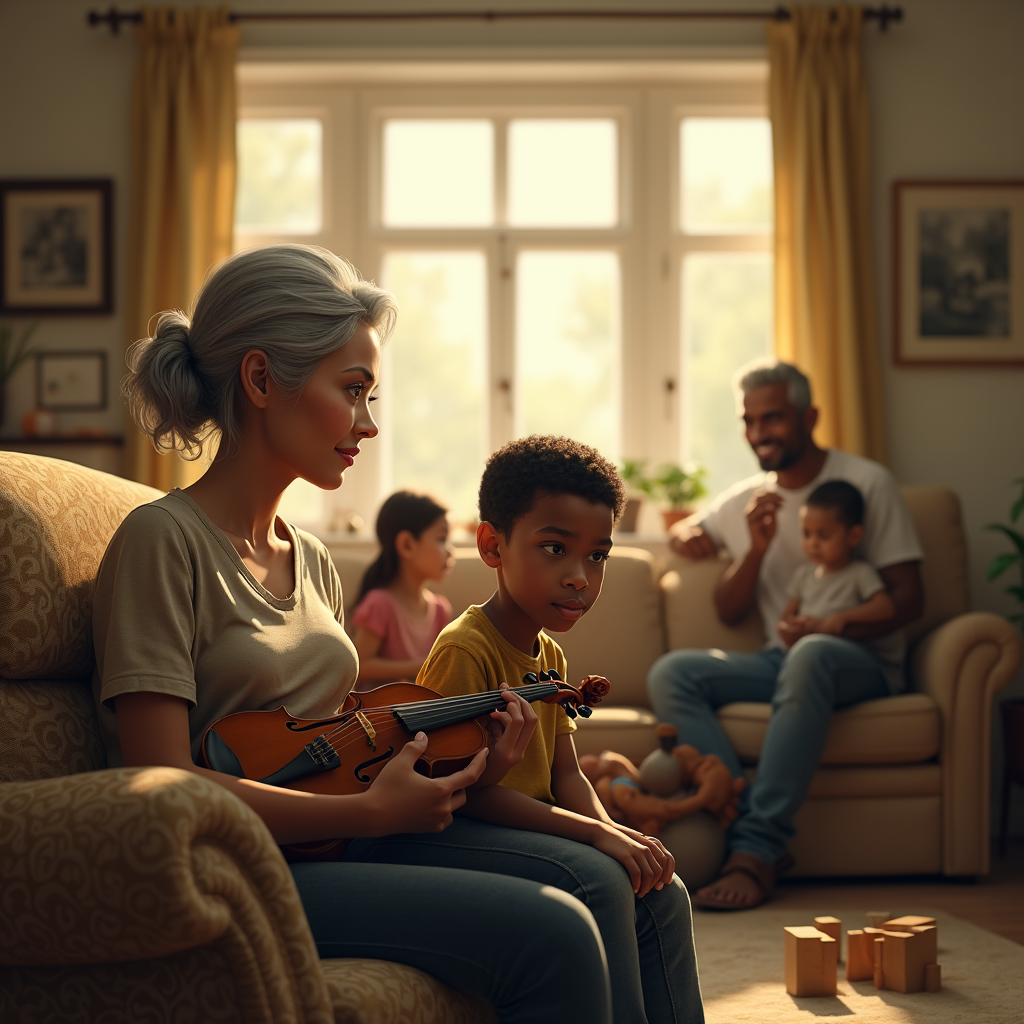
Sometimes, I think the hardest thing about being a grandparent is seeing a sweet child, full of promise, simply… give up. Eli, my oldest grandson, bless his heart, started learning the violin last spring. He was so enthusiastic at first, practicing diligently, his little fingers fumbling over the strings. We all cheered him on, of course, but somewhere along the way, the joy seemed to drain out. Now, he barely picks it up. It breaks your heart a little, doesn’t it? You want them to experience the satisfaction of seeing something through, of mastering a skill.
It's a feeling I’ve seen countless times over my years teaching. You’d have a student, bright as a button, full of ideas, but when the work got challenging, the spark would dim. It wasn’t a matter of intelligence, not at all. It was something… different. It’s easy to fall into the trap of thinking a child’s struggles are a reflection of their character – lazy, unmotivated, lacking in willpower. But I’ve come to believe it's more complicated than that.
Children’s brains are still growing, still forming. They're not little adults who can simply grit their teeth and power through. There are stages to development, processes that take time to mature. Things we adults take for granted – like sticking to a plan, managing your time, resisting distractions – those aren't always fully formed in a child. Remember Jerry, holding Lily on the couch for an afternoon? He just *sat* there, patiently, contentedly. That quiet presence, that ability to simply be, is something we all wish our children could possess when the going gets tough.
It’s not about shielding them from challenges, mind you. Struggles are important! They’re how we learn. But how we *respond* to those struggles, how we guide them through the frustration… that’s where we can make a difference. I think the key is to focus less on the *outcome* – the perfect violin performance, the A on the report card – and more on the *effort*.
Kevin, dear boy, is working himself ragged trying to keep everything afloat. Between his job and raising two young ones, it’s a constant whirlwind. I offered to cook for the family for a week after Lily arrived, just to give him and Adrienne a break. Just having someone else handle the meals, the cleaning, the constant demands, allowed them to breathe. And that’s what we need to do for our children, too – create space for them to focus, to try, to fail, to try again, without the crushing weight of expectation.
Praise the attempt, not just the achievement. “I see how hard you’re working on this,” is far more valuable than “You need to do better.” Acknowledge their frustration, validate their feelings. “I know this is difficult, but I’m proud of you for not giving up.” It's about building a sense of resilience, a belief in their own capacity to overcome obstacles. Even a small bit of encouragement can be a lifeline.
That drive to Ponte Vedra with Jerry was a beautiful journey. Seeing the Georgia countryside in November – those rolling hills ablaze with color – it reminded me how much beauty can be found in perseverance, in simply continuing on, even when the road is long and winding. I told Jerry then that I thought retirement would be good. He just smiled and said he’d been waiting for me to notice. He understands that sometimes, the best reward isn’t the destination, but the quiet contentment of the journey itself.
So, with Eli and his violin, maybe I’ll just sit with him, not offering advice, not pushing him to practice, but simply reminding him that I’m proud of him for trying, regardless of the outcome. And maybe, just maybe, that small gesture of love and support will be enough to rekindle that spark, to remind him that the joy of learning isn’t about perfection, but about the beautiful, messy, persistent process of growth.