The Remodeling Brain of Adolescence
Sometimes, I feel like my brain is a garden. Not a meticulously planned one, mind you – more like something that starts with good intentions and quickly evol...

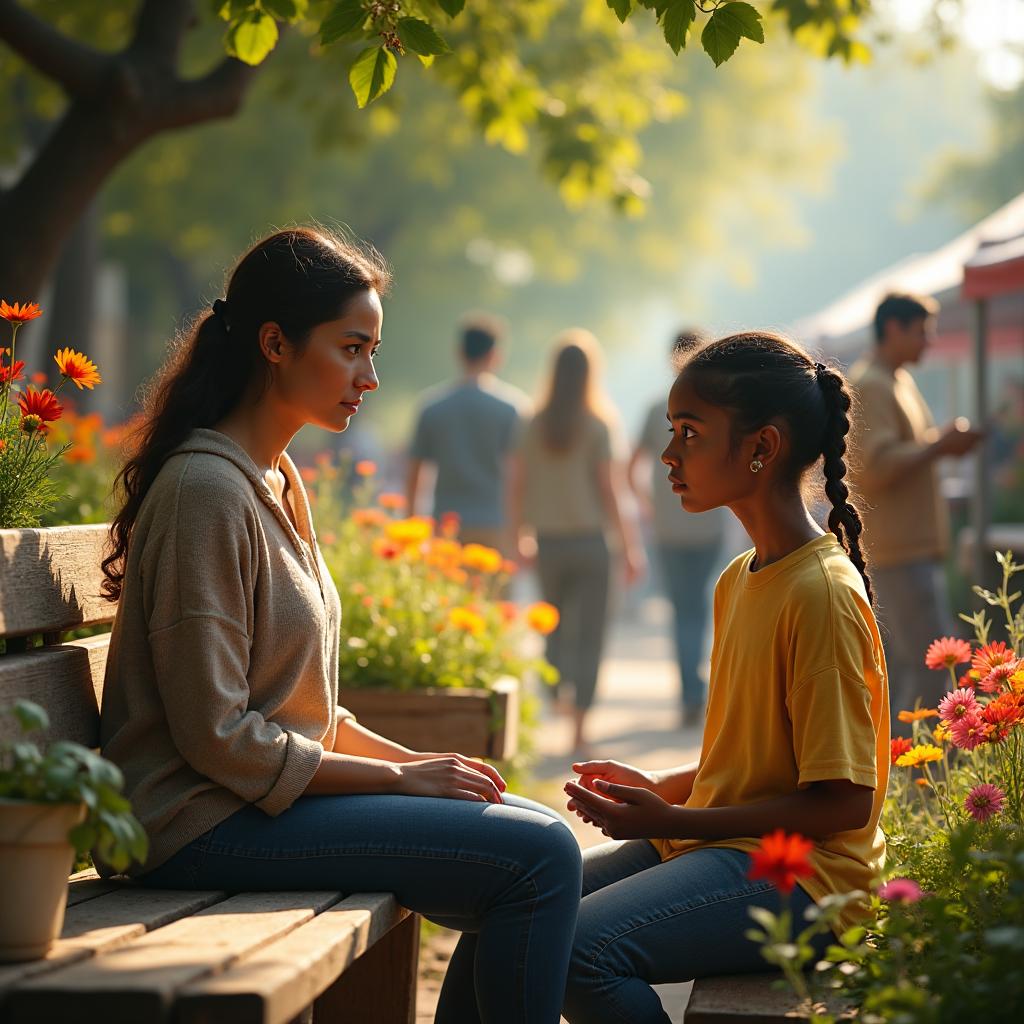
Sometimes, I feel like my brain is a garden. Not a meticulously planned one, mind you – more like something that starts with good intentions and quickly evolves into a riot of wildflowers and unexpected herbs. And just recently, reading about research in mice, it struck me how much that feels true for adolescence too. We tend to think of memory as a fixed thing, a recording we can replay at will. But what if those recordings were constantly being edited, rearranged, even partially erased?
The scientists studying these mouse brains discovered something fascinating: during adolescence—that messy, in-between period when they're transitioning from childhood to adulthood—the way their memories are stored and retrieved fundamentally changes. It’s not that the memories *disappear*, necessarily. It’s more like the pathways leading to them get rerouted, new connections form, old ones weaken. The brain is literally remodeling itself in response to experience.
It made me think about my own kids, just a few years ago navigating that very terrain. There were times when they couldn't quite grasp something we’d talked about endlessly the week before. Or suddenly, an emotion would surface – a flash of anger, a wave of sadness – and I'd have to ask them to explain where it came from. They seemed genuinely surprised themselves, as if these feelings had materialized out of thin air.
It always felt frustrating then, on both our parts. Me, trying to understand their shifts in mood. Them, wrestling with something they couldn’t articulate. Now I wonder: were those moments just the visible surface of a much deeper neurological process? The brain building new scaffolding to hold up that growing self?
I remember my niece Lily, who is now sixteen, telling me once that she felt like she was constantly forgetting who she used to be. "It’s weird," she said, kicking at a loose stone on the sidewalk. “Sometimes I look back and I don't even recognize that girl.” She wasn't being dramatic. There was a real sense of disorientation in her voice—a feeling of having lost access to parts of herself.
And it occurred to me: perhaps this isn’t necessarily a *loss*. Maybe it’s an adaptation. Perhaps the brain, wanting to make room for new learning, new perspectives, needs to prune some of those older connections. It's painful, certainly, like saying goodbye to old friends. But sometimes, letting go is what allows us to grow.
This research also makes me wonder about that phenomenon called the "reminiscence bump"—the tendency for adults to have a disproportionately vivid recollection of events from their adolescence and early twenties. Is it just nostalgia coloring our memories? Or could it be that this period represents a unique window into brain plasticity, a time when those pathways were being reshaped in such dramatic ways?
It’s tempting to connect this kind of fundamental change with more difficult mental health challenges, too. Depression, anxiety, schizophrenia – these conditions often emerge or become acutely apparent during adolescence. Could this remodeling process, while normal and necessary for development, also sometimes go awry, leaving individuals vulnerable to certain conditions? It's a question that deserves careful consideration, not as an explanation, but perhaps as one piece in a complex puzzle.
Lately, taking those Sunday mornings back has felt essential. Quiet time, the farmers market, just watching the kids explore—it’s given me space to think about these larger patterns, both inside and outside myself. The garden needs tending, yes, but it also needs room to breathe, to change direction, to surprise us with blooms we never expected. And that, I suspect, is true for our brains too.