The Slow Erosion of Memory
Sometimes, I think about how much we’ve learned, and how little it seems to *help*. I remember when my mother started… well, forgetting things. Little things...


Sometimes, I think about how much we’ve learned, and how little it seems to *help*. I remember when my mother started… well, forgetting things. Little things at first. Misplacing her spectacles, repeating stories she’d just told. Then, the bigger things began to slip away. It's a slow erosion, you see, a relentless unraveling. And it’s frightening.
We all expect some changes as we age, don’t we? A bit of creaking in the knees, perhaps a slowing of the eyesight. Those are just part of the bargain. But the thought of losing your mind, your very *self*… that’s a different kind of fear altogether. And it’s a fear that seems to be growing, along with the number of us who are getting older.
There’s been so much research, of course. So much hope pinned on these laboratory studies. I recall reading about some particularly promising work done with mice – studies that held such promise, and yet… so often, what works beautifully in a laboratory setting simply doesn’t translate to people. It’s disheartening, isn’t it? To see such effort and intelligence dedicated to a problem, and then to watch those efforts falter when applied to the real world. Bernard, bless his heart, always tried to explain the science to me, but sometimes, it just felt… distant.
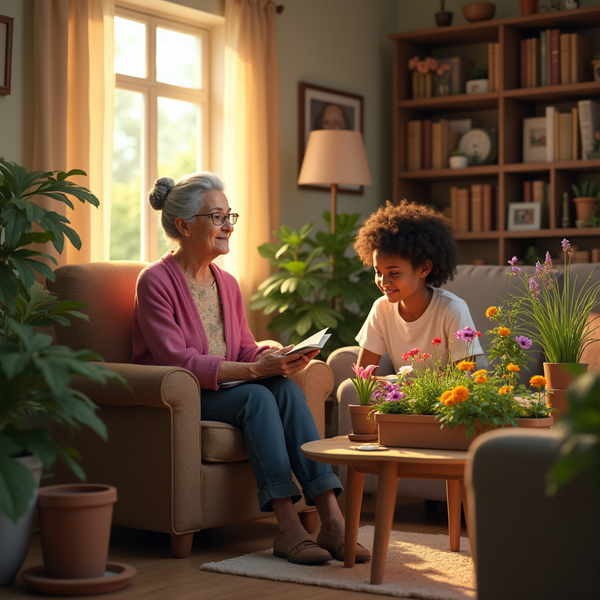
What I find genuinely encouraging now is a new perspective that's emerging. It’s not about focusing solely on the disease itself, but on how the brain uses energy, how it functions metabolically. Think of it like a garden. A beautiful garden needs more than just good soil. It needs sunlight, water, the right balance of nutrients. If something is out of whack – if the soil is depleted or the water is scarce – even the most robust plants will struggle.
The body’s ability to nourish itself, to keep things running smoothly, is a delicate dance. And as we age, that dance can become more difficult. It's almost as if the brain is sending out signals long before the outward signs of decline become apparent. Imagine being able to detect those subtle shifts, those tiny warning flags, and address them *before* significant damage is done. That's the sort of possibility that holds real promise.
This isn’t about searching for a miracle cure, something to magically erase the years. It's about taking a preventative approach, like tending a garden proactively. Phyllis and I were discussing this just the other day while we were making jam – a simple analogy, I suppose, but it felt quite apt. You wouldn’t wait for the fruit to rot before doing something about it. You'd pick it at its peak and preserve it.
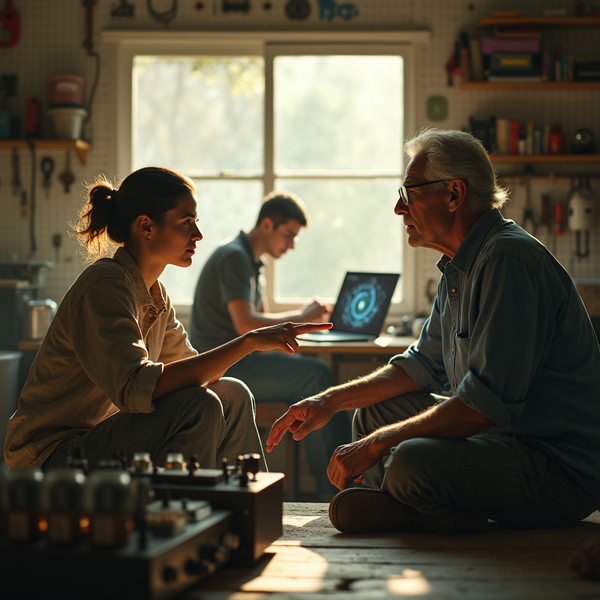
The work I'm reading about requires bringing together people from different fields – those who study the brain, those who understand metabolism, those who are skilled in developing ways to measure these things. It’s a collaboration, and I think that’s key. Breaking down the silos, sharing knowledge, looking at the problem from different angles… that’s where the real breakthroughs are often found. It's something I’ve always believed in, even in the classroom. Diverse viewpoints illuminate the subject in ways one single perspective simply cannot.
I'm not going to pretend that this is a silver bullet. There’s still so much we don’t understand. And the path to truly protecting our cognitive health will undoubtedly be long and complicated. But this shift in focus, this understanding of the brain’s underlying needs… it gives me a sense of cautious optimism. A feeling that, perhaps, we’re finally moving in the right direction. Perhaps we’re learning to listen to the quiet signals our bodies are sending us.