Inherited Burdens, Cellular Healing, Hope
Sometimes, I think about the little ones, and how much they carry before they even truly begin. Eli, just starting school, that worry in his eyes... it remin...

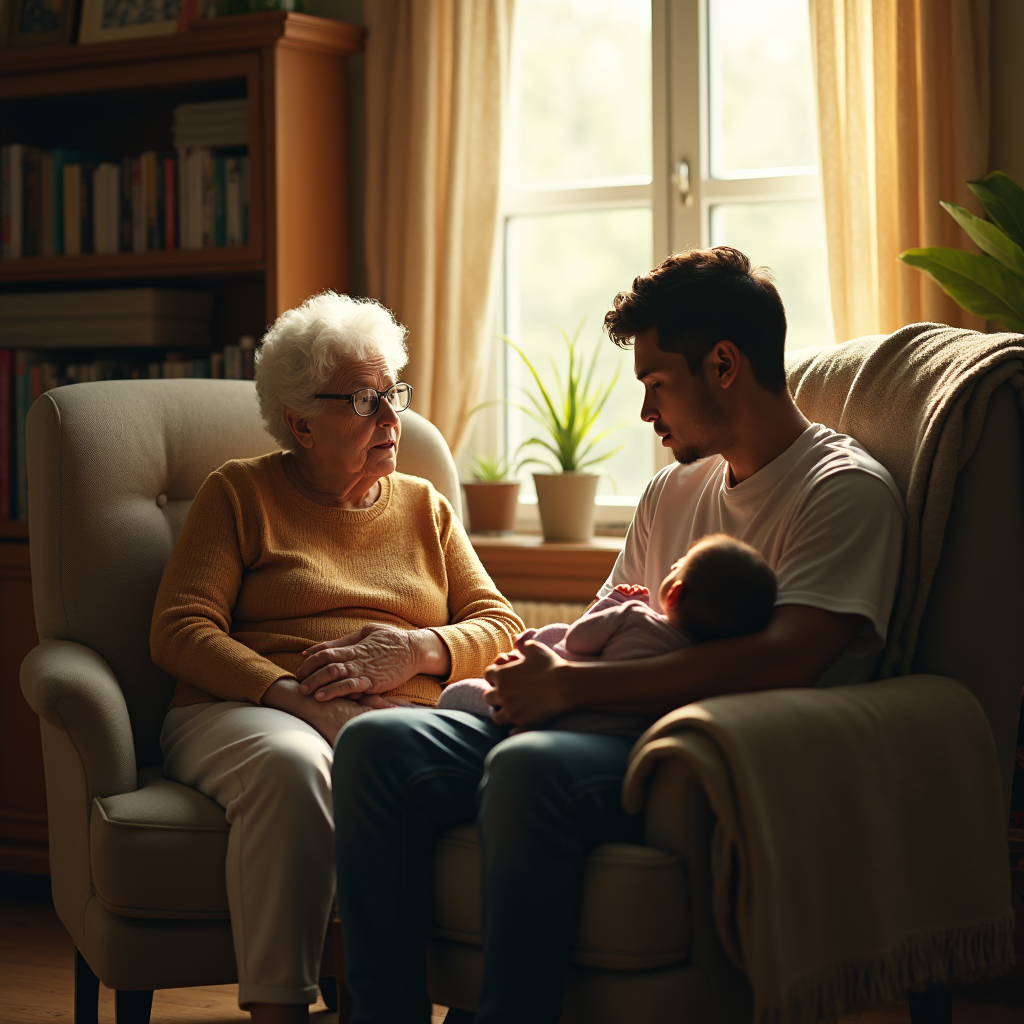
Sometimes, I think about the little ones, and how much they carry before they even truly begin. Eli, just starting school, that worry in his eyes... it reminds me of so many things, of so many hearts braced for something unknown. It makes you wonder, doesn’t it, what burdens they inherit, what shadows they step into before they've even had a chance to dance in the sun. We hear so much now, in the news and in conversations, about how experiences – terrible experiences – can leave a mark not just on the mind, but… deeper.
I remember reading an article recently, about how our bodies *remember*. Not just the memories, the specific events, but how those events change us at a cellular level. It wasn’t something I fully understood at first. I’d always believed, as most of us do, that what happened to your parents, your grandparents, was simply a matter of stories passed down, lessons learned, perhaps even habits ingrained. But it seems it’s more profound than that.
My own mother… she didn’t talk much about her childhood. There were silences, long and heavy, that hung in the air whenever certain topics arose. It wasn’t bitterness, not exactly. It was more a… guardedness, a way of protecting herself and, perhaps, those around her. I never understood it completely until I became a mother myself, and felt that instinct to shield my children from pain.
It’s remarkable, isn't it, how resilient the body can be? Jerry and I, driving through Georgia a few weeks back, the leaves turning, the light slanting just so… it was breathtaking. And it made me think about how even after the hardest winters, there’s always a spring. The landscape itself seems to hold the wisdom of this, a quiet reassurance that even scars can fade, that new growth is possible.
What’s truly astonishing is the understanding we’re gaining about *how* that healing might happen. I read about research that suggests when individuals have faced terrible hardship—times of great distress—and then find a way to move beyond it, to find peace—that these changes can actually affect the way their genes work. Not that the genes themselves are altered, but that their activity is adjusted. It’s as if the body itself is learning a new language, a language of hope and recovery.
Kevin, bless his heart, has been looking weary lately. Taking care of a new baby – Adrienne’s little Lily – is a lot. It’s exhausting, physically and emotionally. And I see him, sometimes, just staring, trying to find a moment of stillness. But even in the midst of the chaos, there’s a tenderness, a profound love that shines through. It reminds me that nurturing, that consistent care, can be a powerful balm, a way to soothe those deep, cellular wounds.
There's a therapeutic approach, quite new, that uses a carefully guided process of reflection and emotional processing alongside a substance that… opens things up. It’s a delicate matter, I know, and needs to be handled with the utmost care and responsibility. But the early reports are encouraging, suggesting that it can unlock pathways to healing that were previously inaccessible. It's not a quick fix, of course. It requires trust, commitment, and a willingness to face difficult truths.
I truly believe that understanding these processes – this science of healing – offers a profound sense of hope. It’s not about erasing the past, but about transforming its power. It's about recognizing that we are not simply defined by our wounds, but by our capacity for resilience, our ability to adapt, and our willingness to reach out a hand to one another. And as I sit here, watching the late afternoon light fade, I’m filled with a quiet gratitude for the possibilities that lie before us. It's a beautiful thing, this enduring capacity for the human heart to mend.