The Unspoken Landscape of Being
Sometimes I feel like we’re just beginning to scratch the surface of what it means to *be* a person. It sounds grandiose, I know, especially coming from a pe...

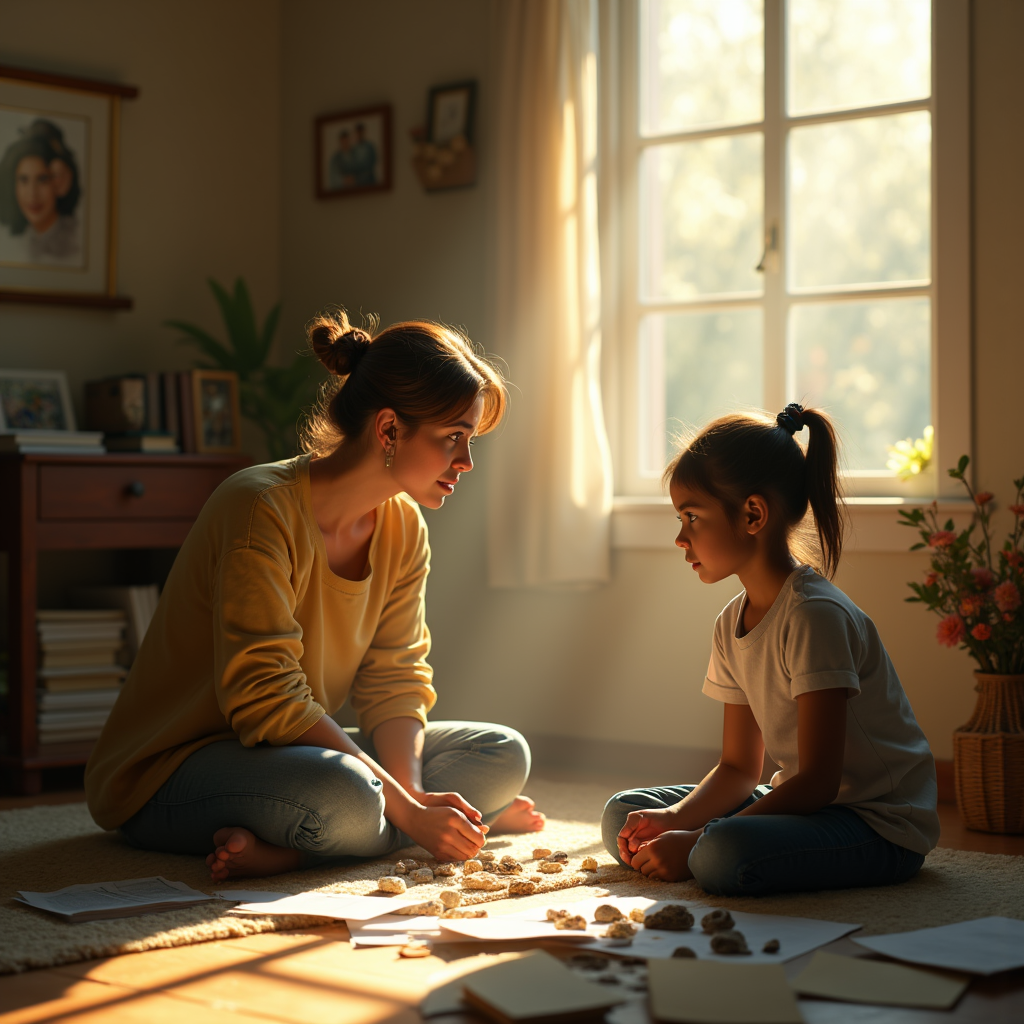
Sometimes I feel like we’re just beginning to scratch the surface of what it means to *be* a person. It sounds grandiose, I know, especially coming from a pediatrician who spends her days mostly focused on well-child checks and patching up scraped knees. But lately, reading about research into something called anendophasia—the absence of inner speech—has left me with this sense of quiet awe, like standing beneath an impossibly vast night sky.
I remember my residency, trying to teach medical students how to really *listen* to patients. Not just hear the words coming out of their mouths, but to notice the subtle shifts in posture, the micro-expressions that flickered across their faces. It was about piecing together a story beyond what was directly stated, recognizing that so much relies on unspoken understanding. And yet, we were always, fundamentally, talking *at* them—or, more accurately, formulating our own ideas and interpretations based on what we perceived to be the "normal" way someone experiences themselves.
What if there isn't a normal? What if the landscape of consciousness is far more varied than we currently allow for in our frameworks? This recent exploration into how people experience—or *don’t* experience—that internal voice, that constant monologue most of us take for granted, throws so much into question. I picture it sometimes, trying to imagine what it would be like not to have that background hum, that persistent commentary, the mental equivalent of a radio station playing softly in your head. For me, it's always been there; an ongoing narrative accompanying even the simplest tasks – like remembering my grocery list while navigating Ludlow street traffic, or mentally reviewing a patient’s chart before they walk into the exam room.
It’s almost impossible to truly grasp another person's subjective reality. We rely on language, but language is inherently limiting. It can describe, certainly, but it cannot *convey*. How do you explain the feeling of sunlight warming your face after a long winter to someone who has only ever known perpetual twilight? It’s similar, I think, to trying to describe the taste of strawberries to someone who's never tasted anything sweet. They can understand the concept of “sweetness,” but they won’t truly *know*.
My niece, Lily, she’s eight now, is a constant reminder of this. She processes the world so differently than my older kids did at that age. Sometimes, it feels like she's operating on an entirely separate plane of perception. There was a period last year when she struggled to understand instructions – not because she wasn’t listening, but because she seemed to be experiencing the information in a way I just couldn’t comprehend. Explaining things to her became less about telling and more about showing, or allowing her to figure it out through experimentation. It’s humbling, really, to have your assumptions challenged by someone so small.
And what does this mean for our understanding of self? So much of our identity is built on the internal narrative we construct – the story we tell ourselves about who we are and how we fit into the world. If that narrative is absent or significantly different, does it fundamentally alter one’s sense of self? I started thinking a lot about this while writing those adolescent workshop materials—trying to encourage teens to understand their own perspectives in relation to others, recognizing biases, exploring different ways of communicating. How can you navigate those complex social waters if the foundation upon which your understanding is built looks drastically dissimilar from everyone else's?
There’s something beautiful, too, in this awareness – a reminder that there isn’t one right way to be. It should prompt us to meet people with greater curiosity and empathy, to actively listen beyond the words being spoken (or not spoken). This Sunday morning ritual I started—the quiet time before the kids wake up, just coffee and sunlight—it’s become essential. A moment to simply *be*, without the constant mental chatter, a tiny glimpse into what it might feel like to experience something completely different from my own internal landscape.
Perhaps future technologies will provide even deeper insight, allowing us to somehow translate or represent these subjective experiences in a more tangible way. Virtual reality could offer a window into someone else's consciousness, though I wonder if that would truly be understanding, or just another form of observation. The important thing, for now, is simply recognizing the vastness and variability of human experience—and approaching it with humility and wonder.