The Urge to Measure Up
Sometimes, I watch my kids playing – really *playing* – and I'm struck by how fundamental the urge to measure up is. It isn't about winning, necessarily, tho...

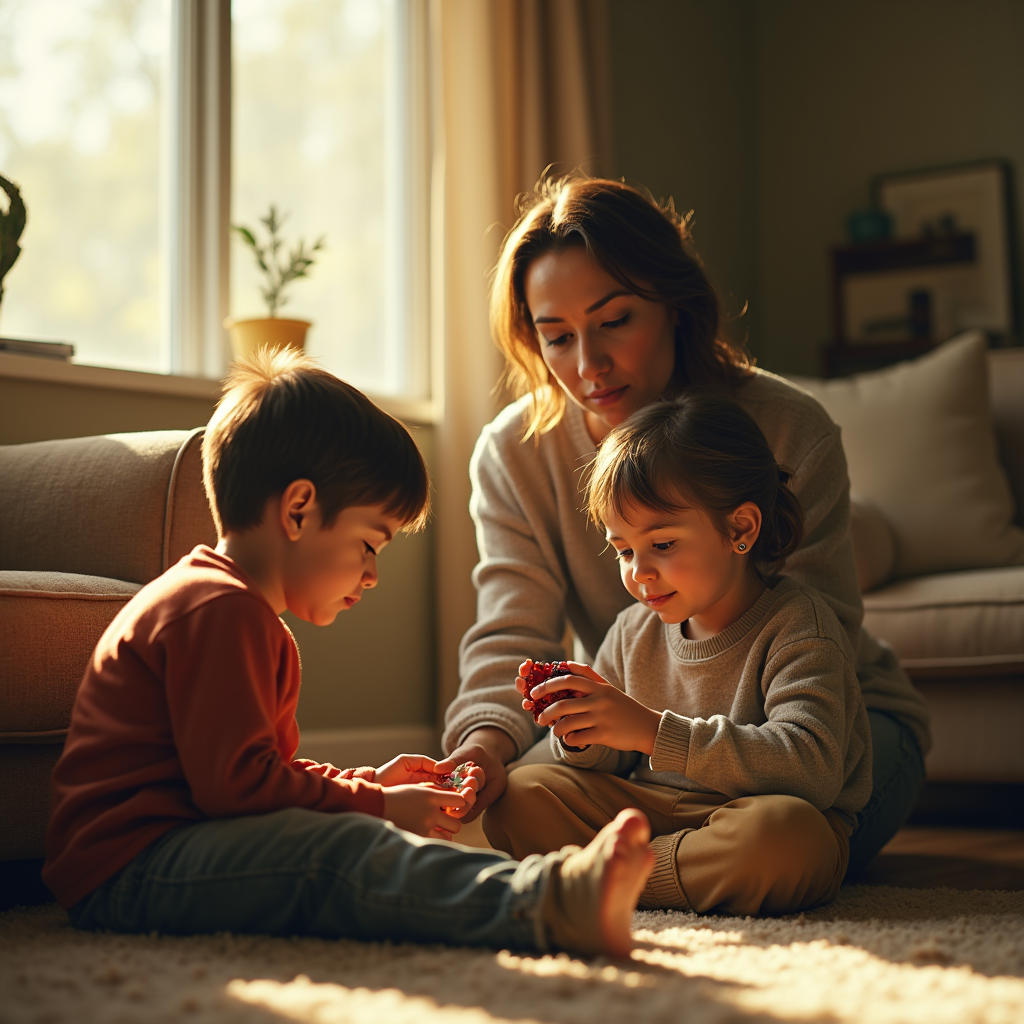
Sometimes, I watch my kids playing – really *playing* – and I'm struck by how fundamental the urge to measure up is. It isn't about winning, necessarily, though that can certainly be part of it. It's about the attempt to establish a hierarchy, to understand where you fit within a group. I saw it recently with the LEGO build challenge at a friend's house. My youngest, Leo, was absolutely determined to build the tallest tower. Not the most *creative* tower, mind you, just the tallest. He’d meticulously place each brick, eyes narrowed in concentration, frequently glancing at what Amelia and Finn were creating.
It’s become something of a trend, this push to de-emphasize competition, especially for young children. I understand the impulse. We want to protect them from disappointment, from feeling “less than.” We've all seen the fallout from overly competitive environments; the pressure, the anxiety, the unhealthy comparisons. My own dad, after his stroke, he really needed all the support he could get, and part of that was shielding him from any sense of inadequacy as he recovered. But I also worry we're throwing the baby out with the bathwater. This innate drive to compare, to compete, it's not inherently *bad*. It's a deeply ingrained part of what makes us human.
I remember reading about research—it’s becoming increasingly clear—that play, even seemingly frivolous games, are actually incredibly complex exercises in social cognition. It’s not just about fun, it’s about learning to read social cues, to negotiate, to understand fairness (and unfairness!), to develop a sense of self in relation to others. Watching Leo with his LEGO tower, I was witnessing a child grappling with all of that in real time. The frustration when Amelia’s tower threatened to eclipse his, the quiet satisfaction when he managed to add another level. It was a tiny, contained drama, a microcosm of life.
My middle child, Maya, has been having some difficulties navigating social situations at school. Nothing dramatic, but enough for her teacher to reach out. It's all about wanting to be included, wanting to know her place. It’s heartbreaking to watch, and honestly, exhausting to help her navigate. It’s led me to consider how much of that struggle is rooted in a reluctance to embrace the natural process of social comparison. We often talk about kindness and cooperation, which are absolutely essential, but do we also leave room for the necessary discomfort of figuring out how you fit into the group?
The instinct to compete isn't some recent, toxic invention. Think about children building sandcastles on the beach, each striving to create the grandest fortress. Or a group of kids vying for the best spot on the swings. These aren't malicious acts; they are explorations. They're opportunities for children to develop vital life skills. It's in these moments of striving – even failing – that children build resilience, learn problem-solving, and hone their ability to regulate their emotions. It's when they start to grasp the concept of executive function—planning, prioritizing, managing impulses—which is, honestly, a cornerstone of success in just about everything.
My dad's stroke… it was a stark reminder of how precarious things can be. It’s easy to get caught up in protecting children from every potential disappointment, every potential setback. I certainly spent a good chunk of last fall doing just that, driving to Norwood, juggling work and family, feeling utterly depleted. But I also realized that shielding them completely doesn’t actually prepare them for the world. It’s about creating a supportive environment where they *can* fail, where they *can* feel disappointed, and learn to bounce back. It’s about helping them understand that sometimes, you don’t win, and that’s okay.
There’s a certain elegance in understanding that this drive to compete, to measure up, isn’t something to be suppressed, but rather a fundamental human instinct to be channeled and understood. It’s not about pushing kids to be the best, but about allowing them the space to discover their own strengths, to learn from their mistakes, and to develop the resilience to navigate challenges. It’s about recognizing that even in a seemingly simple game of LEGO towers, there are invaluable lessons to be learned about ourselves and the world around us.
And maybe, just maybe, it's about letting them build the tallest tower they can, even if it isn't the most beautiful. Because in that striving, in that competition, lies a whole lot of growing up. It’s a hard lesson to resist, especially when you’re a parent fiercely devoted to protecting your children from any harm. But it’s a lesson they need to learn, and it's a lesson we, as adults, would do well to remember, too.