The Walls We Build and How to Break Them
It's a curious thing, isn't it, how we humans build walls. Not always literal walls, mind you, but walls around our hearts, around our minds, around our very...

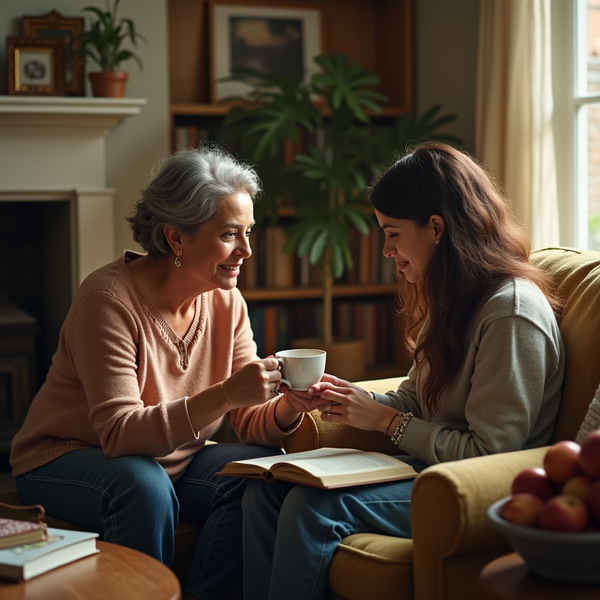
It's a curious thing, isn't it, how we humans build walls. Not always literal walls, mind you, but walls around our hearts, around our minds, around our very selves. Walls that keep out the world, and sometimes, sadly, keep out the help we desperately need. I’ve seen it in my years, both as a teacher and, well, just as a woman walking this earth. Sometimes it’s a quiet pride, a desire to appear strong, other times it's a deep-seated fear of what others might think.
I remember a young man, David, in my tenth-grade English class. Bright as a button, but carried himself with such a weight on his shoulders. He never asked for help, never seemed to want to participate in discussions beyond the bare minimum. I suspected he was struggling, truly struggling, but he masked it so well. Years later, I heard through the grapevine that his family had been through a terrible time, a time he'd borne largely in silence. That silence, I fear, took a toll.
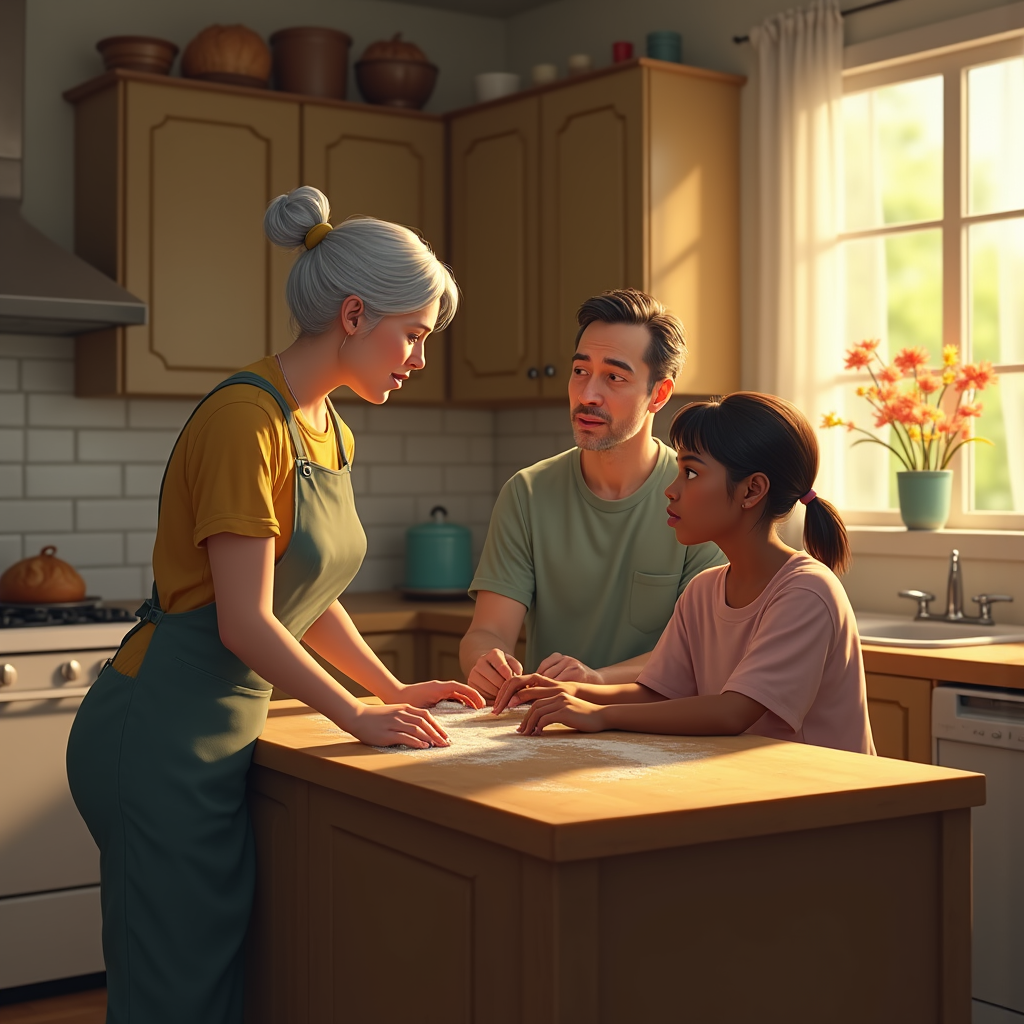
There’s a certain expectation, isn’t there, particularly for women? To be the strong one, the caregiver, the one who holds it all together. When I drove to Ponte Vedra to meet Lily, fresh off the plane from overseas, Kevin looked utterly exhausted. He’s a good man, a devoted husband and father, but the weight of his responsibilities was clear on his face. I cooked for the whole family that first week, organized the freezer, took the overnight shifts so he and Adrienne could sleep. It wasn’t about the cooking or the sleeping; it was about giving him a small measure of relief. And I noticed he hesitated to accept it at first, almost as if asking for help was a failing.
Jerry, my husband, he’s always been more perceptive than I am. I told him, after those ten days with Lily, that I thought retirement was going to be good. He just smiled, that knowing smile of his, and said he’d been waiting for me to notice. He's seen me carry burdens I should have shared, seen me try to shoulder everything myself. He knows that true strength isn't about never needing a hand; it's about recognizing when you do.
I think, too, that generations play a role in all of this. When I was a girl, admitting you needed help was practically unthinkable. It was a sign of weakness, something to be hidden. My own mother, a woman of remarkable resilience, rarely spoke of her worries. We were taught to "grin and bear it," to tough it out. And while that grit served us well in many ways, it also instilled a reluctance to reach out, a belief that we should be able to handle everything ourselves.
It’s different now, I think. Young people are more open, more willing to talk about their struggles. There's a growing awareness of mental health, a destigmatization of seeking support. It’s a good thing, a vital shift in our collective consciousness. Still, those old habits, those ingrained beliefs, they don't vanish overnight.
It's not just about grand, dramatic crises, either. It’s the quiet, everyday struggles. The loneliness, the anxiety, the feeling of being overwhelmed. Those are the moments when a kind word, a listening ear, a helping hand can make all the difference. It takes courage, I believe, to admit you’re not okay. Courage to let down that wall, to expose your vulnerability.
And remember this: Asking for help isn't a sign of weakness; it's a sign of strength. It's a recognition of your humanity, a willingness to connect with others, to share the burdens that can feel so heavy when carried alone. It's an act of faith, not just in yourself, but in the kindness and compassion of those around you. Let us be those who offer that kindness, and let us be brave enough to receive it when we need it most.