The Weight of Becoming The One
It’s a heavy thing, isn't it? That quiet understanding that settles in, somewhere around your forties, that *you* are now the one. The one who helps. The one...
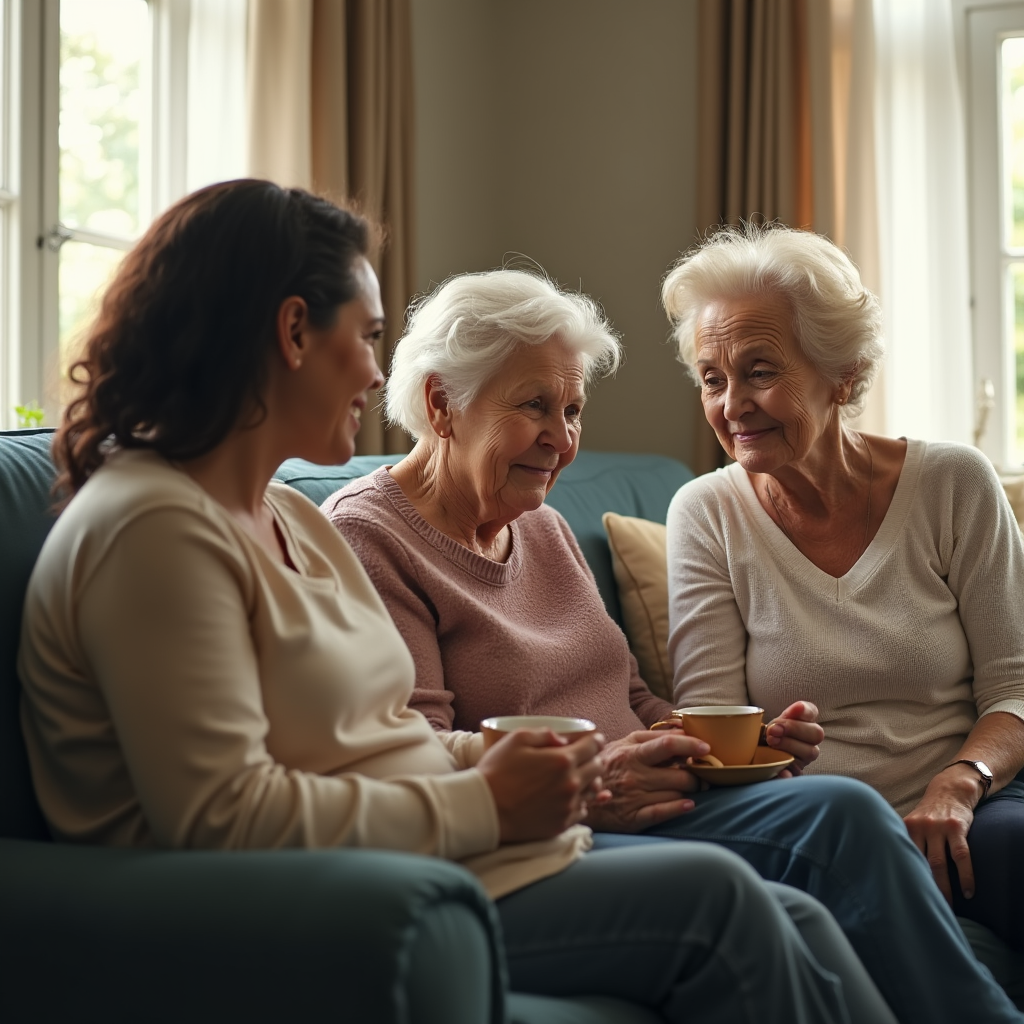
It’s a heavy thing, isn't it? That quiet understanding that settles in, somewhere around your forties, that *you* are now the one. The one who helps. The one who organizes, reminds, advocates, and ultimately, absorbs the worry. I see it in the eyes of the moms I talk to at school pickup. A shared, weary knowledge. They’re juggling homework and soccer practice, and underneath it all, the low hum of concern for their own parents.
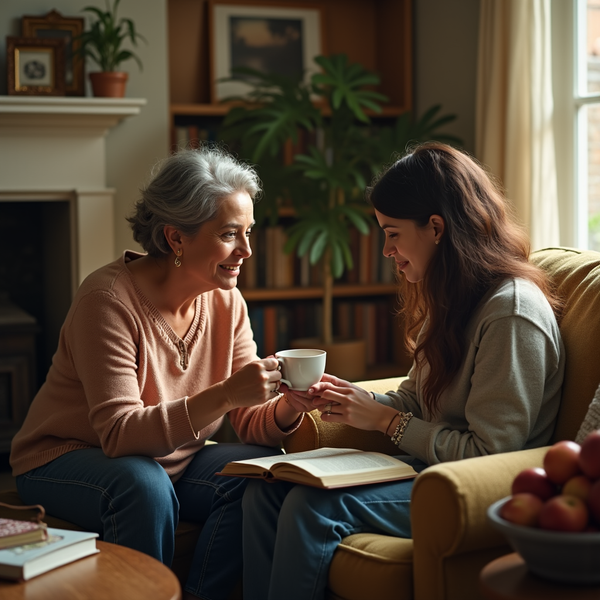
My dad had a stroke a few months ago. Not catastrophic, thankfully, but enough to shift everything. Suddenly, I was driving to Norwood three times a week, fielding calls at all hours, coordinating appointments, trying to be the reassuring voice when my mom just... needed to cry. It wasn’t about anything monumental. He’s recovering well, but that “well” requires constant attention, constant vigilance. It’s a responsibility that settles right in your bones.
And it’s not new, this feeling. It isn't. Looking back, I realize how much of my own childhood was spent stepping in. Not in a grand, heroic way, of course. More like the quiet, persistent tending of a garden. Making sure things were okay, anticipating needs, smoothing over the rough edges. My parents worked, but there was always this underlying sense that *I* could help. That I *should* help. I suppose it’s how I learned to be reliable, to be a fixer.
It’s a pattern, isn’t it? We become what we know. The roles we see played out in our own families get internalized, and then, often unconsciously, replicated. I know the teachers called about my middle child recently, some social challenges at school. He has a good heart, that boy, but he’s learning to navigate a world that doesn't always require quiet competence. A world that sometimes wants him to be loud, to be assertive. Something I was actively discouraged from being as a child.
There's a weight to that, to realizing you're mirroring a cycle. It isn’t about blame. My parents did the best they could. They were products of their time, of their own upbringing. It’s more a recognition that those early patterns, those early expectations, shape us in ways we don’t always understand. They leave a residue, a predisposition to take on burdens that aren’t necessarily ours to carry.
And the thing is, there’s no grand prize for being the strong one. No medal for shouldering the weight. Just a slow, steady depletion. I felt it during those weeks in the fall, driving back and forth to Norwood, juggling work and a suddenly anxious child, fielding calls from clients in crisis. The exhaustion settled in not as a dramatic crash, but as a persistent greyness. A dulling of the edges of joy. A quiet resentment that I couldn't articulate, but that felt like a constant pressure in my chest.
We need to talk about this, I think. Not just among ourselves, the women doing the heavy lifting. But with policymakers, with employers, with society as a whole. It shouldn't be a choice between providing care for loved ones and maintaining a career, or sacrificing your own well-being. There needs to be more support – practical, financial, and frankly, emotional. Respite care that isn’t a luxury. Affordable healthcare that doesn't require navigating a labyrinth of paperwork.
I wish, more than anything, I’d known then what I know now. That saying "no" isn't selfish. That tending to your own well is not a distraction from your responsibilities, but a prerequisite for fulfilling them. That sometimes, the bravest thing you can do is let someone else step in. Because ultimately, we are all just trying to make it through. We deserve to make it through with a little bit of ourselves still intact.