
The Weight of Quiet
The rain always seemed to arrive just as the worst of it settled – that quiet, persistent ache behind the eyes, a dull throb in the chest that refused to be ...

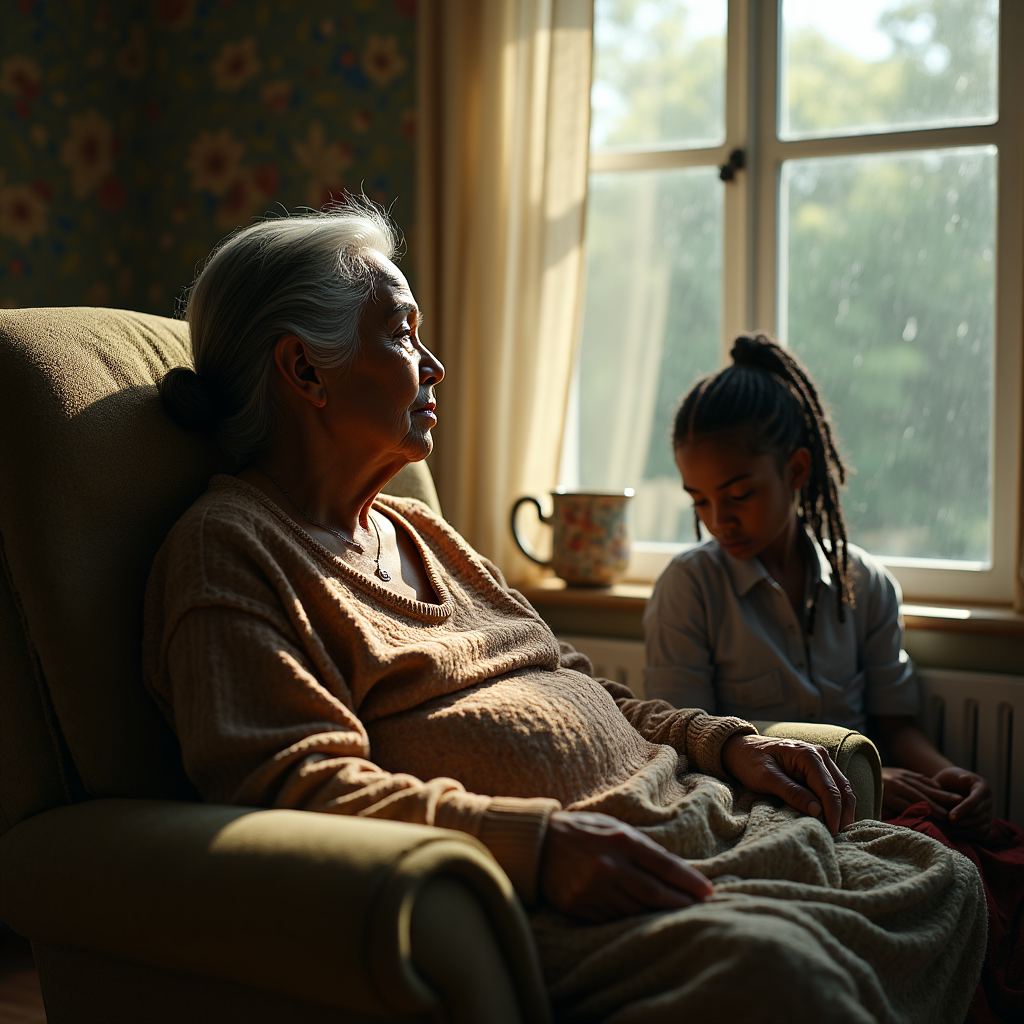
The rain always seemed to arrive just as the worst of it settled – that quiet, persistent ache behind the eyes, a dull throb in the chest that refused to be named, let alone addressed. It wasn’t a dramatic sorrow, not one punctuated by wails or frantic searching for answers. No, this was a slow erosion, a gradual dampening of light, a feeling of being adrift without an anchor. I used to chase it away with distractions: busywork, furious cleaning, the insistent chatter of television. Foolish attempts to outrun a sensation that demanded simply…being felt.
It’s strange how easily we build walls around our vulnerability. We erect defenses against disappointment, against grief, against the unsettling awareness of our own smallness in the face of vast, unknowable things. And yet, these very walls are often what trap us, preventing the healing balm of connection from reaching where it’s most needed. The discomfort of acknowledging this quiet ache – admitting its existence to ourselves, let alone another – feels infinitely more daunting than enduring the pain itself.
I think about my grandmother, a woman who carried a particular kind of sadness within her—a gentle melancholy woven into the fabric of her days. She didn’t lament it; she simply *was* with it. Offering no solutions, no reassurances, just sitting beside me in the stillness, a quiet presence that somehow absorbed the edges of my distress. It wasn’t about fixing anything; it was about witnessing – holding space for the experience without judgment or expectation.
The impulse to “solve” is so deeply ingrained within us. We want to categorize and diagnose, to understand the *why* behind the feeling, as if unraveling the cause will somehow diminish its power. But emotional pain rarely responds to logic or reason. It exists in a realm beyond our conscious control, a deep current of sensation that demands simply…acceptance.
It’s a radical notion, isn't it? To surrender to discomfort, to allow oneself to be enveloped by something difficult without the frantic urge to escape. Yet, I’ve found that resistance only amplifies the pain, creating a self-perpetuating cycle of anxiety and distress. The willingness to simply *be* with the feeling – to acknowledge its presence without judgment or analysis – is often the first step towards letting it go.
And this brings me to the surprising comfort I’ve discovered in silence. Not the enforced, anxious quiet that comes from trying to suppress emotions, but a deliberate stillness—a willingness to just *sit* with someone in their pain, offering no words, no advice, simply my presence. It’s not about fixing anything, it’s about recognizing the inherent value of vulnerability and offering that same recognition back.
Perhaps it's this unspoken understanding – this shared acknowledgement of our shared fragility—that truly offers solace. The gesture doesn't need to be grand; a touch on the arm, a quiet observation of the rain, or a simple, heartfelt “I’m here” can be enough to create space for healing, space for acceptance, and ultimately, space for grace.
Ultimately, consolation isn't about offering solutions; it is about recognizing that sometimes, all we need is someone who sees our pain, validates its existence, and gently holds space for us to bear its weight—a quiet testament to the enduring power of human connection.