Trauma’s Grip: Healing Beyond the Pain
The scent of chamomile still clings to the air, a quiet insistence against the clamor within. It’s not a scent of pleasantness, not in the way we typically u...

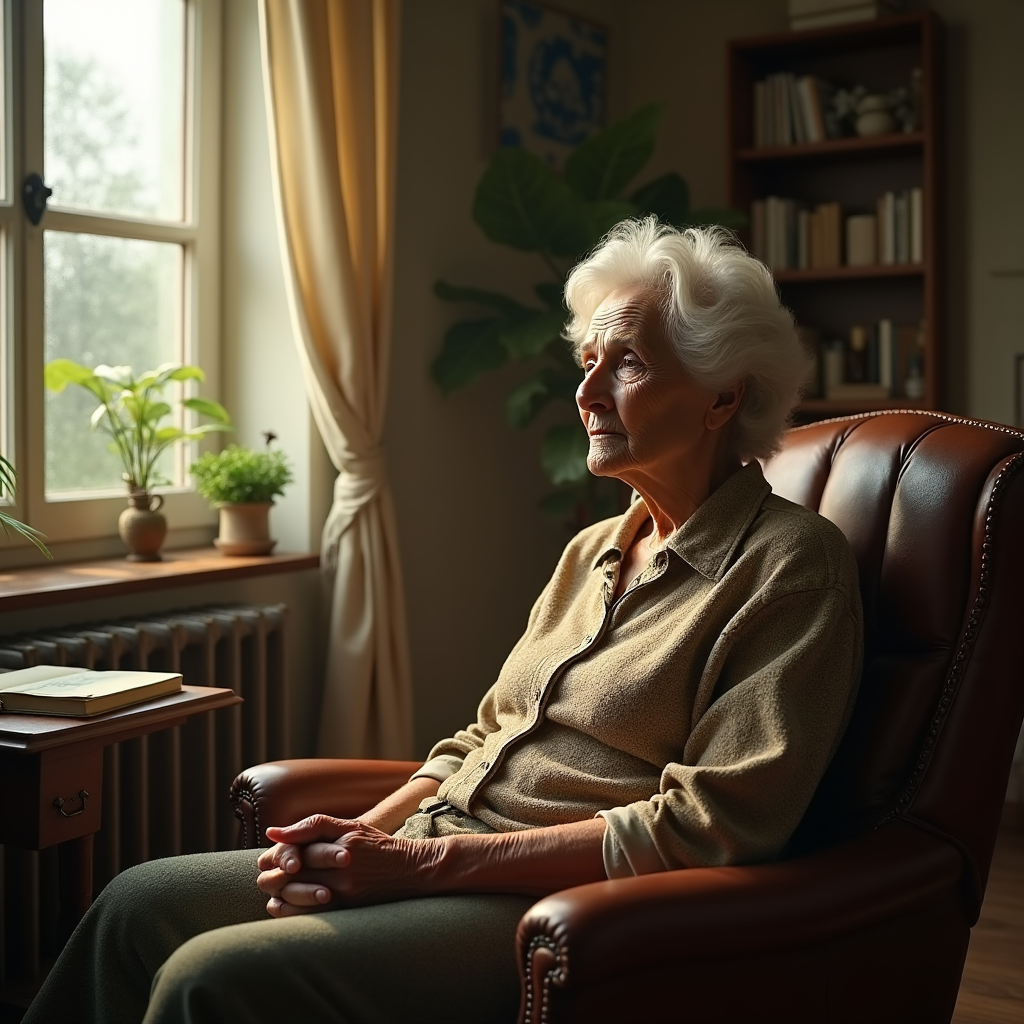
The scent of chamomile still clings to the air, a quiet insistence against the clamor within. It’s not a scent of pleasantness, not in the way we typically understand it. This is a scent of containment, of attempting to build a wall around something raw and insistent—the memories. For years, I dismissed them as simply that: memories. Fleeting impressions, colored by emotion but ultimately manageable, like clouds drifting across a bright sky. Then came the shattering – the recognition that they weren’t just there; they were actively trying to dismantle me.
It began subtly, of course. A trigger—a particular song, a certain phrase overheard—and then, suddenly, I was back. Not in a nostalgic way, but drowning in the terror, reliving the agonizing seconds with an immediacy that stole my breath and left me trembling. Initially, I fought it, erecting mental barriers, attempting to intellectualize the experience, to dissect it into manageable parts. It didn't work. The more I tried to control it, the stronger it became, feeding off my resistance like a malignant growth.
The problem, as I eventually realized – and it was a slow, painful process of self-discovery – wasn’t the memories themselves; it was the *reaction* to them. It wasn't about confronting the past, but recognizing that confrontation only amplified its power. The attempt to suppress, to deny, to avoid—it created a feedback loop, reinforcing the trauma and solidifying its grip on my existence. I was trapped in a cycle of fear, fueled by an unconscious desire to escape the unbearable reality of what had happened.
The key shifted from control to acceptance – not condoning, not glorifying, but simply acknowledging the presence of the pain. It’s a paradoxical notion, isn't it? To embrace suffering rather than recoil from it. But that is where true healing begins; in recognizing the truth of the experience without judgment and allowing the emotion—all of it—to flow through you. Think of a river – attempting to dam it will only create pressure, eventually leading to a catastrophic breach. Let it run its course, guided by the banks of understanding.
This isn’t about instantly forgetting or magically erasing the trauma. That's an illusion. It’s about changing your relationship with it. Instead of battling against it, you learn to observe it, to witness it without being consumed by it. You develop a sense of detachment, not as indifference, but as a recognition that the past is a part of you—a painful one, yes—but no longer *defining* you.
It’s about creating space within yourself, a quiet sanctuary where these intrusive thoughts can simply be held without triggering an overwhelming reaction. This isn't achieved through willpower alone; it requires cultivating self-compassion, extending the same kindness and understanding to yourself that you would offer a friend struggling with similar wounds. Recognize your vulnerabilities, honor your pain, and allow yourself to grieve—not for what was lost, but for the loss of innocence, the shattering of trust, the betrayal of hope.
The practice itself is often uncomfortable, fraught with moments of intense emotional distress. There will be days when you feel like you're drowning again, pulled back into the current of the past. But it’s in those moments that you must hold firm to your commitment – to witness, to accept, to breathe. Each return is not a failure but an opportunity for deeper understanding and greater resilience.
Ultimately, this process isn't about vanquishing the ghosts of the past; it’s about learning to live alongside them. It’s about transforming trauma from a force that destroys you into a catalyst for growth—a reminder of your strength, your capacity for compassion, and your unwavering commitment to reclaiming your life. It is a long road, paved with difficulty, but leading to a destination far more precious than comfort: true freedom.