
Understanding Your Child's Big Feelings
Sometimes, it feels like watching your child struggle with their emotions is like watching a train wreck in slow motion. The wailing, the stomping, the sheer...

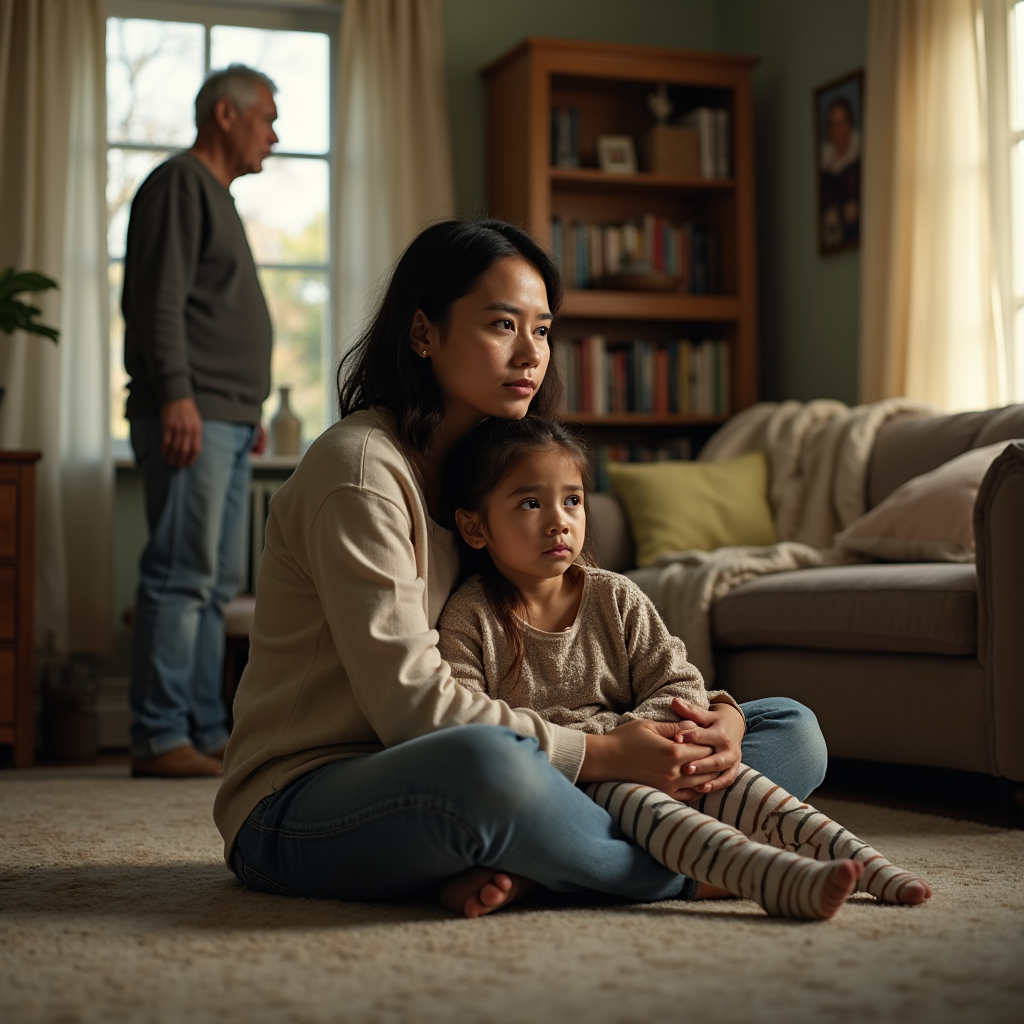
Sometimes, it feels like watching your child struggle with their emotions is like watching a train wreck in slow motion. The wailing, the stomping, the sheer *intensity* of it all. You want to scoop them up, fix it, make it stop. But you know you can’t. And knowing that is, honestly, heartbreaking. I’ve seen a lot of kids struggle with big feelings in my practice, and I've lived through a lot of it myself, both as a child and now as a mom.
We often expect children to behave as we do – calmly, reasonably, thoughtfully. But their brains? Their brains aren’t wired that way yet. The part of the brain responsible for rational thought, the prefrontal cortex, is still under construction, especially in younger children. It’s like they *know* they shouldn’t be throwing themselves on the floor because they can’t have another cookie, but the impulse is just… overwhelming. It’s not defiance; it's immaturity. It's a neurological reality. I remember my dad, bless his heart, losing it over something small the other day— a misplaced tool, I think—and even *he* had to remind himself to take a breath.
It’s easy to get frustrated. I get it. I really do. Lately, with my middle child, I’ve been watching the same frustrations unfold at school. The teacher called, concerned about some difficulties interacting with classmates. It's all so tangled up with wanting to be liked, and not knowing how to navigate those social cues. It makes you ache, doesn’t it? To see them hurting, and feeling powerless to really make it all better.
What’s most important, I think, is creating a safe space for those feelings. A space where they *know* they can be upset, angry, disappointed, without judgment. Not a space where you fix it, but a space where you just *are* with them in it. Sometimes, that’s just sitting quietly on the floor while they cry, offering a hug if they’ll take it. No lectures. No explanations. Just presence.
My dad's recent health scare has brought so much into sharp focus for our whole family. The vulnerability, the fragility... it's a powerful teacher. In the weeks we were driving to Norwood so often, I noticed how *my* own reactions impacted my kids. When I was stressed and short, the tension ratcheted up for everyone. When I managed to take a few deep breaths, acknowledge my own feelings, and respond calmly, it made a difference. They were watching, always watching.
Modeling is everything. Kids are sponges. They absorb our behavior, our reactions, our coping mechanisms. Do they see you taking a moment to pause before responding when you're frustrated? Do they see you validating your own feelings – "I'm feeling angry right now, and I need to take a break"? Showing them how *you* handle those big feelings, even imperfectly, is a far more powerful lesson than any lecture could ever be. My mom certainly did for me, and I'm trying to do the same for my own children. It's hard, especially when you're feeling overwhelmed.
I’ve realized, over the years, that the goal isn’t to eliminate big feelings. It’s to teach children the skills to navigate them. To understand that feeling angry or sad or frustrated is okay; it's what you *do* with those feelings that matters. To help them develop a sense of awareness – the ability to recognize what they’re feeling, why they’re feeling it, and what they can do about it. It takes time, and patience, and a whole lot of empathy.
It's also important to remember that sometimes, a child’s struggles might be more than just typical developmental challenges. Anxiety, ADHD… these can significantly impact emotional regulation. If you have concerns, don’t hesitate to reach out to their school, to a therapist, or to me. It takes a village, and we're all here to support each other through these messy, beautiful, and often overwhelming moments of parenthood.