Beyond Battles: Raising Healthy Eaters
Sometimes, it feels like the biggest battles I've faced as a pediatrician haven't been in the exam room, but at the kitchen table. Parents, well-meaning and ...
Sometimes, it feels like the biggest battles I've faced as a pediatrician haven't been in the exam room, but at the kitchen table. Parents, well-meaning and anxious, caught in a relentless cycle of saying "no" to the very foods they worry about their kids eating too much of. I understand the impulse. I really do. My own dad's recent health scare—a reminder that things we take for granted can shift suddenly—has made me even more acutely aware of the power of choices, especially concerning nourishment. It’s a balancing act, though, and I've seen so many families tipped off kilter by it.
It's tempting to view certain foods as "good" and others as "bad," to create a system of rewards and punishments around what kids eat. But that labeling, that restriction, often backfires. The tighter the rules, the more desirable those forbidden foods become. It’s a simple human truth – what's denied is often craved. Remember those afternoons driving to Norwood to help my parents? The tension in the car was palpable sometimes, a low hum of unspoken worries. I saw a parallel with the food battles happening back home, a similar sense of unease and control.
I've heard it all: "Just one more bite of broccoli!" "No dessert until you finish your chicken!" "If you don't eat your vegetables, you can't have ice cream!" And I get it. We want our kids to be healthy, to grow strong. We're bombarded with messages about childhood obesity and the importance of a balanced diet. But constantly policing every bite isn't the answer. It cultivates anxiety, both for the parent and the child.
What I’ve learned, both as a doctor and as a mom to three very different eaters, is that trusting children’s own internal cues is surprisingly effective. It’s about recognizing that a child’s appetite isn’t a whim, it’s a complex signal from their body. Sometimes they need more energy, sometimes they're feeling a bit under the weather, sometimes they’re just not that hungry. My middle child, especially, has a very particular sense of what her body needs. And the more I tried to override that, the more resistant she became.
It’s not about completely throwing caution to the wind, of course. We still want to offer nutritious choices. Fruits, vegetables, lean proteins – those are staples, offered regularly. But we also allow for treats, for occasional indulgences. A cupcake at a birthday party? Absolutely. A cookie with milk? Fine. There's no need for a guilt trip or a lecture about sugar. Food isn't a battleground; it's fuel. And enjoying a treat, occasionally, is part of being a kid.
The hardest part is letting go of the control. It’s about recognizing that you can provide healthy options and create a supportive environment, but ultimately, your child is in charge of their own eating. It’s not always pretty. There are days when my kids eat only peanut butter toast, and days when they refuse anything green. But I trust that, over time, they will find their balance. It’s a trust that’s been tested lately, seeing my own father struggle, but also reaffirmed by the resilience of the human body.
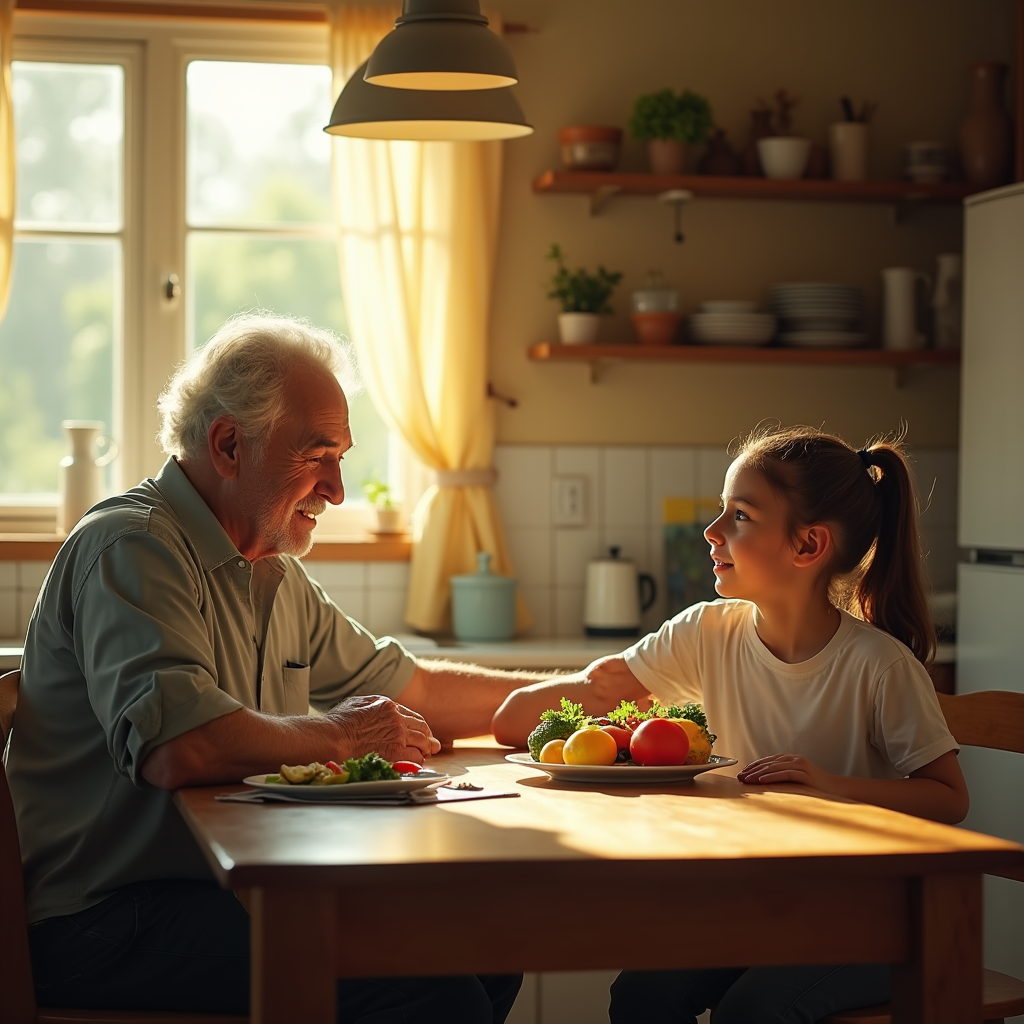
My approach now is to focus on fostering a positive relationship with food. Talking about how different foods make us *feel* – how fruits give us energy for running and playing, how protein helps our muscles grow. Less about restriction, more about understanding. It’s a subtle shift, but it makes a huge difference in the overall atmosphere around meals. The tense negotiations quiet down, and we can actually enjoy being together. Those few hours a week spent driving to Norwood showed me, more clearly than ever, how precious those moments of connection are.
Ultimately, raising healthy eaters isn't about rigid rules and strict boundaries. It’s about creating a safe and supportive environment where children can explore food, listen to their bodies, and develop a lifelong love of nourishment – and maybe, just maybe, enjoy a cookie now and then without feeling guilty. I’ve learned that sometimes, the best thing a parent can do is simply step back and let their child be a child.