Letting Children Be Children
Sometimes, it seems, we’ve forgotten how to let children *be* children. I’ve watched it unfold over the years, particularly in recent times. Eli’s first day ...

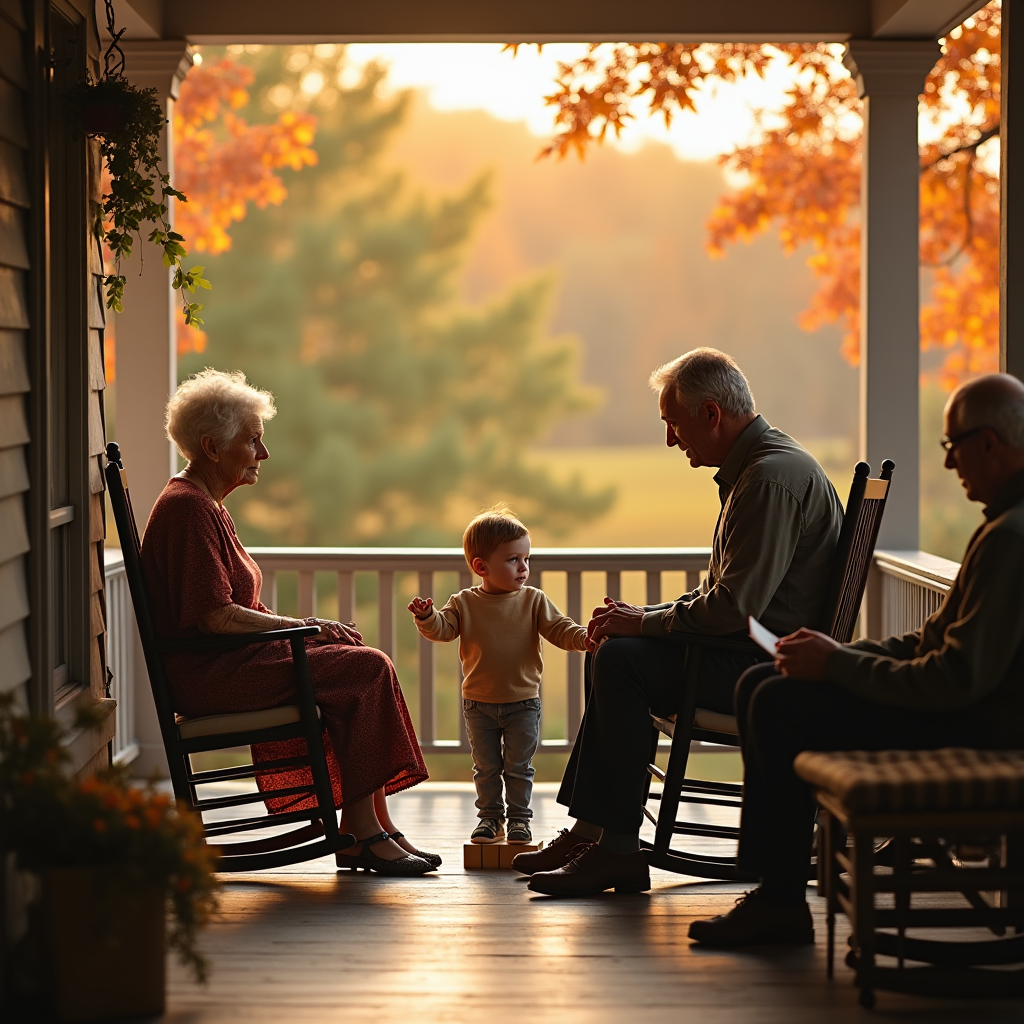
Sometimes, it seems, we’ve forgotten how to let children *be* children. I’ve watched it unfold over the years, particularly in recent times. Eli’s first day of school – I just got back from Fredericksburg, mind you, after being on the phone with Marcus before the sun was fully up – it brought it to mind again. He was so excited, bless his heart, but then a little overwhelmed by the noise and the other children. His lower lip started to tremble. And I saw a few parents, *his* parents, practically leaping over themselves to intervene, to smooth things over, to make sure he wasn’t “unhappy.”
It’s a natural impulse, isn’t it? To protect our little ones. After all, seeing a child distressed—a child *your* child—pulls at something deep inside. My heart aches when I see Kevin looking tired, genuinely worn down. He’s a good man, a good father, but I’ve noticed lately how quickly he wants to fix everything, to make it all better. We all do, I suppose. It's a visceral thing, that worry, that desire to ease their suffering. I remember how I felt when Lily arrived. Ten days we spent in Ponte Vedra, cooking and cleaning and just…being. Jerry held her on the couch for a whole afternoon, utterly content. It’s a beautiful thing to witness that simple joy, and it's equally painful to watch it threatened.
But what are we *really* doing when we try to shield them from every bump and scrape? Are we helping them, or are we inadvertently teaching them that discomfort is something to be avoided at all costs? My Jerry, bless him, he's often observed, "They need to learn to fall, Martha, or they’ll never learn to get back up." He’s a wise man, my Jerry. He's been waiting for me to notice some things, hasn't he? Sometimes, the most loving thing we can do is to step back and let them grapple with their feelings, to let them experience the frustration, the disappointment, the *sadness* that are a natural part of life.
I've noticed this isn’t just a matter of individual parenting, either. There’s something larger at play – a cultural pressure to ensure our children are constantly happy, constantly engaged, constantly successful. We’re bombarded with images of picture-perfect families and flawlessly-achieving children. And when our own children stumble, when they face setbacks, we feel somehow...failing. As if we haven’t done our jobs properly. That drive to prevent any perceived hardship is often louder than the quiet wisdom that tells us to let them navigate, learn, and grow.
When I taught, I always tried to create a classroom where mistakes were seen as opportunities. It was a lesson I learned the hard way myself. When I was a young girl, I wanted so badly to play the piano beautifully, but I struggled. My mother – a lovely woman, but often quick to intervene – would correct me, guide my fingers, smooth over any perceived imperfections. I ended up resenting the piano, resenting the lessons. It wasn’t until later, when I was allowed to simply *play*, to make mistakes and find my own way, that I finally began to enjoy it.
It’s not about abandoning our children, of course. It’s not about letting them suffer needlessly. It’s about offering them a safe harbor, a place where they know they are loved and supported, but also a place where they are allowed to feel their feelings, even the uncomfortable ones. Like a lighthouse guiding a ship through a storm, we need to provide stability and reassurance, but we can’t steer the ship for them. We can’t take away the challenges, the rough waters. That’s where they learn to navigate, to find their own strength.
I remember driving back from Ponte Vedra, through Georgia. The colors were just magnificent – fiery reds and oranges against the deep greens of the trees. It was a reminder of the beauty that can be found even in the midst of change, even in the midst of difficulty. And I realized something: it’s in those difficult moments, in those times of struggle, that we truly grow, that we truly learn. It's what makes us resilient. It’s what makes us *strong*.
And so, perhaps, the greatest gift we can give our children isn’t a life free from frustration, but the tools they need to navigate it. The ability to persevere, to adapt, to find joy even in the face of adversity. To fall down, yes, but to get back up again, stronger and wiser than before. It's a lesson I think I’m finally grasping, and a lesson I hope to impart to all the grandchildren—and children—who grace my life.