Children: Unlocking Learning's Hidden Potential
It's amazing, isn’t it? Just…look at them. Kids. They’re constantly learning, absorbing, creating worlds of their own. And we, as adults, often forget just h...

It's amazing, isn’t it? Just…look at them. Kids. They’re constantly learning, absorbing, creating worlds of their own. And we, as adults, often forget just how much of that learning is happening when we’re not actively directing it. We get so caught up in schedules, in worrying about grades, in trying to *teach* them, that we miss the quiet, profound discoveries they’re making every single day.
I’ve spent a lot of time with children, you know? As a pediatrician, of course, but also as an aunt. And I’ve noticed a pattern. There’s this incredible, almost intuitive, understanding they develop about the world, often without our conscious instruction. They experiment, they fail, they try again, and they learn from it all – sometimes spectacularly. It's like they’re little scientists, conducting their own research, just with building blocks and crayons instead of beakers and test tubes.
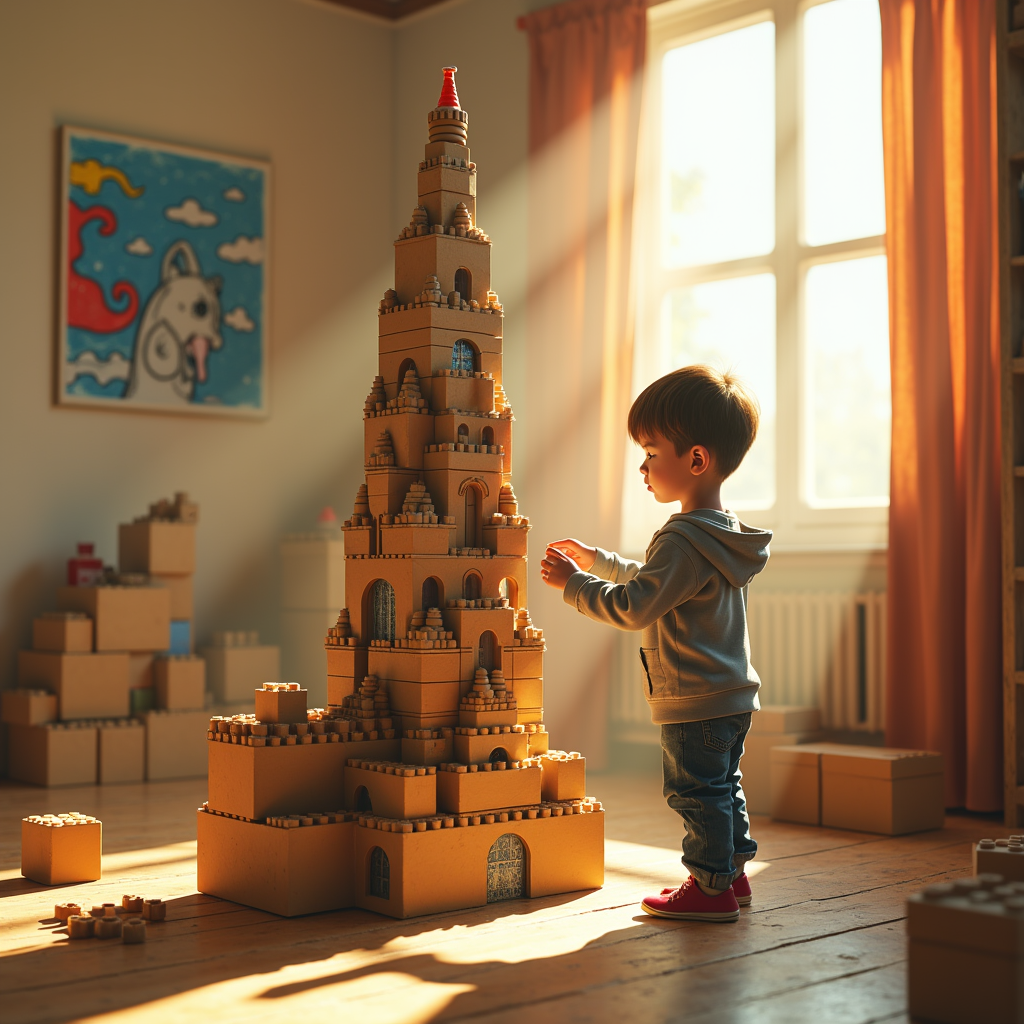
It’s not just about mastering multiplication tables or learning the names of dinosaurs. It’s about understanding cause and effect, about empathy, about figuring out how things work – not in a textbook, but in real life. A child building a tower out of blocks isn't just playing; they're grappling with physics, with balance, with the frustration of a collapsing structure, and the joy of rebuilding. They’re learning resilience, problem-solving, and that sometimes, the best things come from a big mess.
Think about the games they play. They invent rules, they negotiate, they collaborate, and they resolve conflicts – often with remarkable creativity and fairness. They’re learning social skills, emotional regulation, and how to navigate relationships – things we spend years trying to teach adults! It's a remarkably powerful learning process, really.
And it’s so easy to underestimate the depth of their understanding. We see them saying things that seem simple, but they’re often expressing complex ideas about fairness, justice, and the nature of the world. Don’t dismiss those moments of profound observation. Listen closely. Validate their perspective. Because sometimes, the greatest wisdom comes from the mouths of little children.
It’s fascinating to see how their imaginations shape their reality. A cardboard box can become a spaceship, a blanket can become a fort, and a stick can become a magic wand. This isn’t just frivolous play; it’s a vital part of their cognitive development. They’re creating narratives, exploring possibilities, and developing their own unique perspectives.
And let’s be honest, a lot of what they learn comes from simply *observing*. They watch us – our interactions, our reactions, our habits. They absorb our values, our beliefs, and our behaviors, often unconsciously. We need to be mindful of that, of course, and strive to be good role models. But they're also teaching *us* a thing or two about seeing the world with fresh eyes.
It’s a beautiful dance, really – a constant exchange of learning and understanding between generations. So, the next time you're with a child, take a moment to step back and observe. Don’t try to direct their learning, simply allow them to be, to explore, to discover, and to teach you a little bit about the wonder of being alive.
Don't forget to just...watch. You'll be surprised what you see.