Decoding Emotions: Brains, Robots, and Understanding
It’s absolutely fascinating, isn’t it? The way we, as humans, interpret what another person is feeling. We read so much into their eyes, their expressions, t...

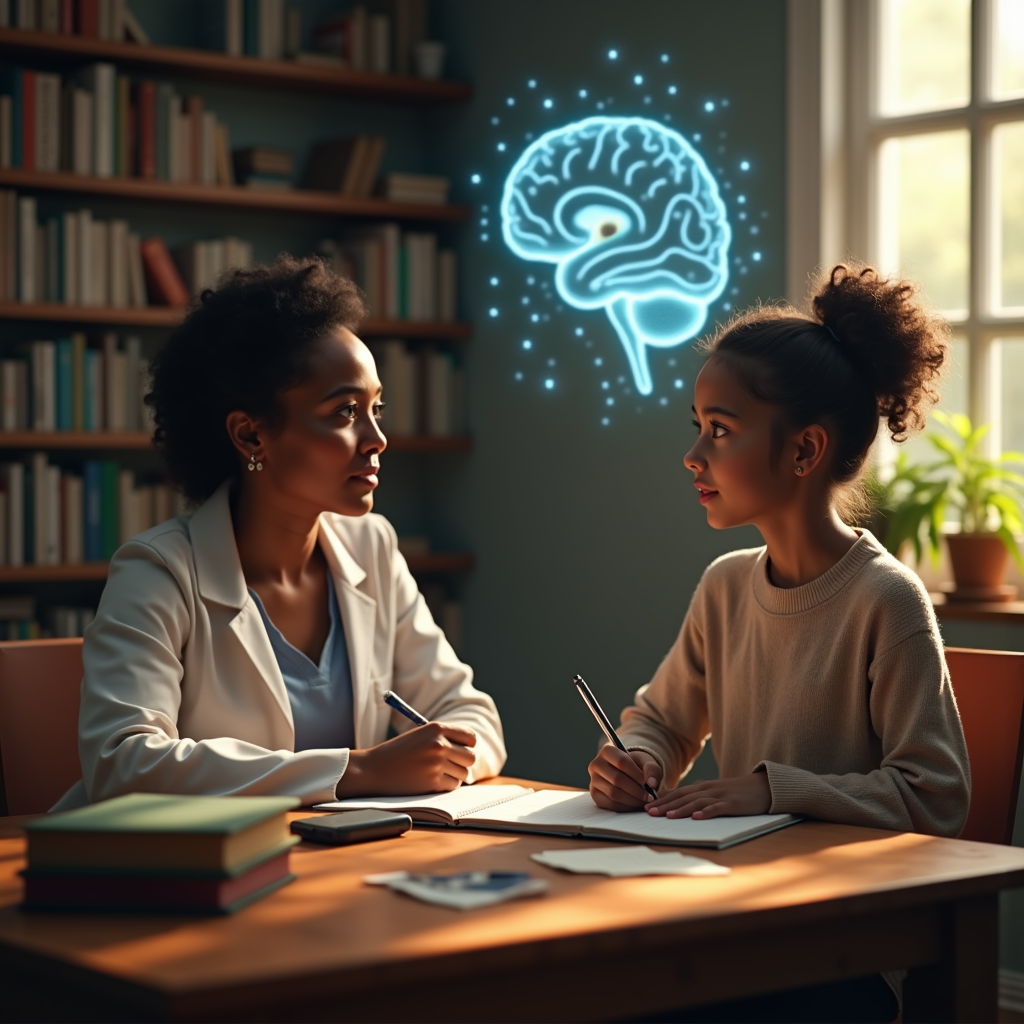
It’s absolutely fascinating, isn’t it? The way we, as humans, interpret what another person is feeling. We read so much into their eyes, their expressions, the subtle shifts in their posture. It’s a deeply ingrained instinct, one we’ve honed over millennia of social interaction. But here's the kicker – robots just… don’t get it. Not yet, at least.
Recent research is really digging into the neurological basis of this remarkable ability. Scientists are discovering that our brains aren’t simply *seeing* facial expressions; they’re actively constructing an entire emotional narrative based on a whole constellation of cues. It’s far more complex than just recognizing a smile or a frown.
Think about it. When you see someone who looks happy, you don't just register a upturned mouth. You’re considering the context – where they are, who they’re with, what they were just talking about. You’re layering in all that information to build a comprehensive understanding of their emotional state. It’s a remarkable feat of cognitive processing.
And the really interesting part is where it starts. Studies using fMRI scans have pinpointed specific brain regions that are activated when we’re observing someone else's emotions. The amygdala, of course – that's the key player in processing fear and other intense emotions. But there's much more going on than just that. Areas involved in theory of mind – our ability to understand that other people have different perspectives and beliefs – are also highly engaged.
This isn’t just about recognizing sadness or joy. It’s about understanding *why* someone is feeling that way. It's about predicting their behavior, empathizing with their experience, and responding in a way that feels genuinely connected. It’s a fundamental aspect of our social lives, and it's truly remarkable to see it unfold on a neurological level.
The challenge, of course, is that replicating this process in artificial intelligence is proving to be incredibly difficult. Current robotic systems can detect facial expressions and even mimic them, but they lack the inherent understanding of context and the rich, nuanced experience that shapes our own emotional responses.
What’s really exciting is the potential for breakthroughs in both neuroscience and robotics. As we learn more about how the human brain processes emotions, we can begin to design AI systems that are not just mimicking emotion, but truly understanding it. Imagine robots that can provide genuine comfort and support, or that can collaborate with us in a way that is deeply empathetic and intuitive.
It’s a long road, certainly. But it’s a journey worth taking, because unlocking the secrets of human emotion isn’t just about building smarter machines; it’s about gaining a deeper understanding of ourselves. And honestly, isn't that something we all want?