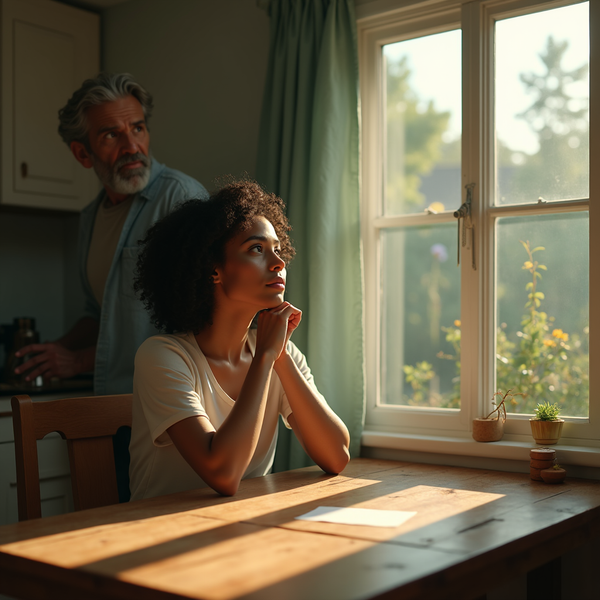
Kids Need Downtime: Prioritize Well-Being
Let’s talk about something really important, and it’s not just about test scores or attendance rates. It’s about our kids’ well-being, plain and simple. I’ve...

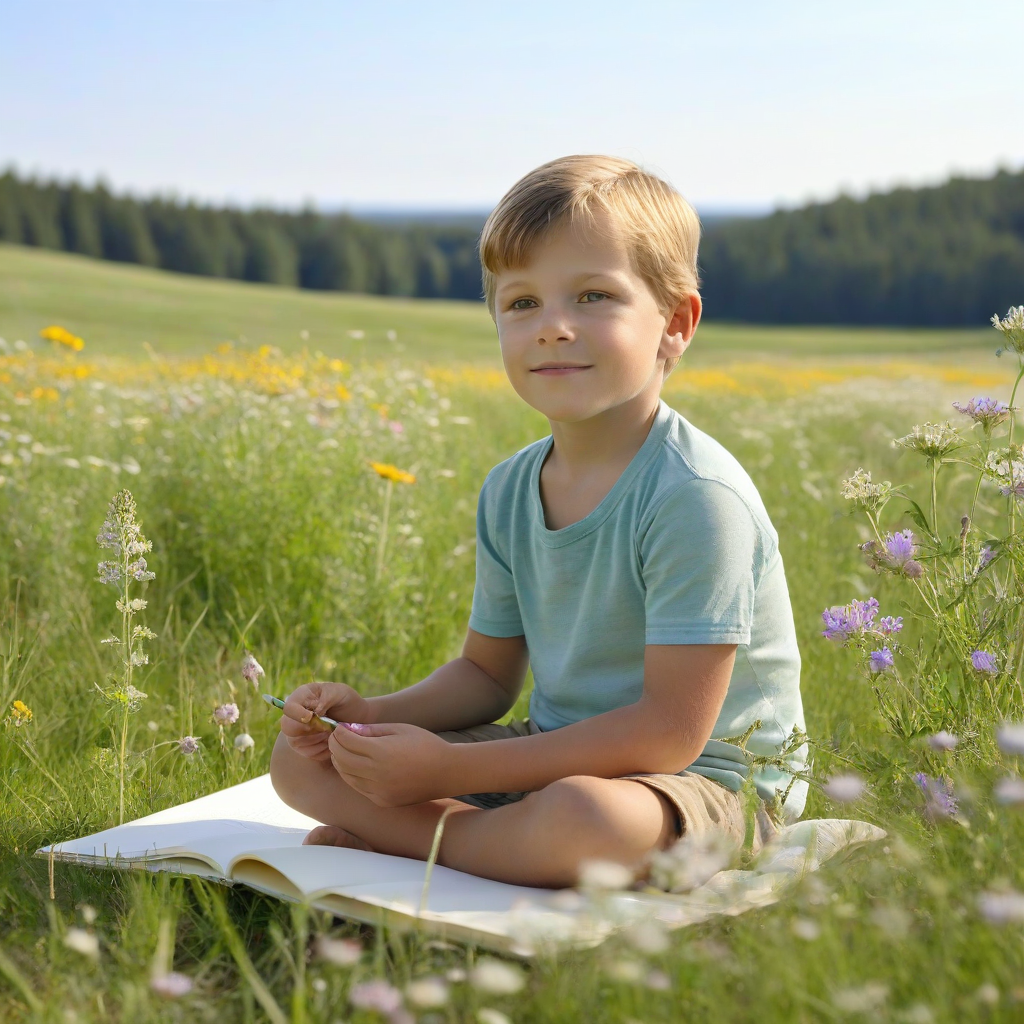
Let’s talk about something really important, and it’s not just about test scores or attendance rates. It’s about our kids’ well-being, plain and simple. I’ve been a pediatrician for a long time – well, a *lot* of time – and I’ve seen a pattern emerge, one that keeps me up at night sometimes. We’re so focused on filling schedules, on pushing kids to perform, that we’re often missing the fundamental need for unstructured time, for quiet reflection, for just *being* a kid.
It’s not about coddling, you understand. It’s about recognizing that childhood isn’t a sprint; it's a marathon. And marathons need refueling stations, moments where kids can just decompress, process their experiences, and recharge their batteries. Think about it – when you’re running a race, you don’t just keep hammering away without a break, do you? You hydrate, you stretch, you maybe even just stop for a few minutes to catch your breath.
The problem is, schools are often designed around the idea of maximum output. Bell to bell, packed with lessons and activities, and very little room for anything else. And frankly, that’s exhausting for kids. It’s developmentally inappropriate, to be honest. They need that time to explore their own interests, to engage in imaginative play, to simply *be* without the pressure of performance.
I’ve had parents come to me with incredibly stressed-out children, kids who are struggling with anxiety and difficulty concentrating. And when I dig deeper, I almost always find that the root cause isn’t a learning disability or a behavioral issue. It’s simply a lack of downtime. They haven’t had the space to process the demands of their lives, to unwind, to reconnect with themselves.
And it's not just about individual kids, either. We're seeing this impact on families too. When kids are constantly busy, it creates a ripple effect, straining family relationships and contributing to overall stress. A happy, well-adjusted child makes for a happier, more harmonious family.
So, what’s the solution? It’s not about lessening the academic rigor of schools, although a little flexibility wouldn’t hurt. It's about intentionally building in opportunities for quiet reflection, for play, for unstructured time. Maybe it’s a designated “calm-down corner” in the classroom, a few minutes at the end of the day for mindful breathing, or simply allowing kids the freedom to choose how they spend their recess.
We need to shift our thinking from “how can we maximize learning?” to “how can we support our children’s overall well-being?” Because ultimately, a child who is happy, healthy, and well-rested is going to be a much better learner. It’s a simple equation, really.
Let’s prioritize their mental and emotional health, and let's give them the gift of childhood—a childhood filled with joy, curiosity, and, most importantly, the freedom to just *be*.