
Listening, Understanding, and Letting Go
It’s just… hard, isn’t it? Let me tell you, I’ve spent a good chunk of my life watching kids wrestle with things that seem enormous to them, and honestly, i...

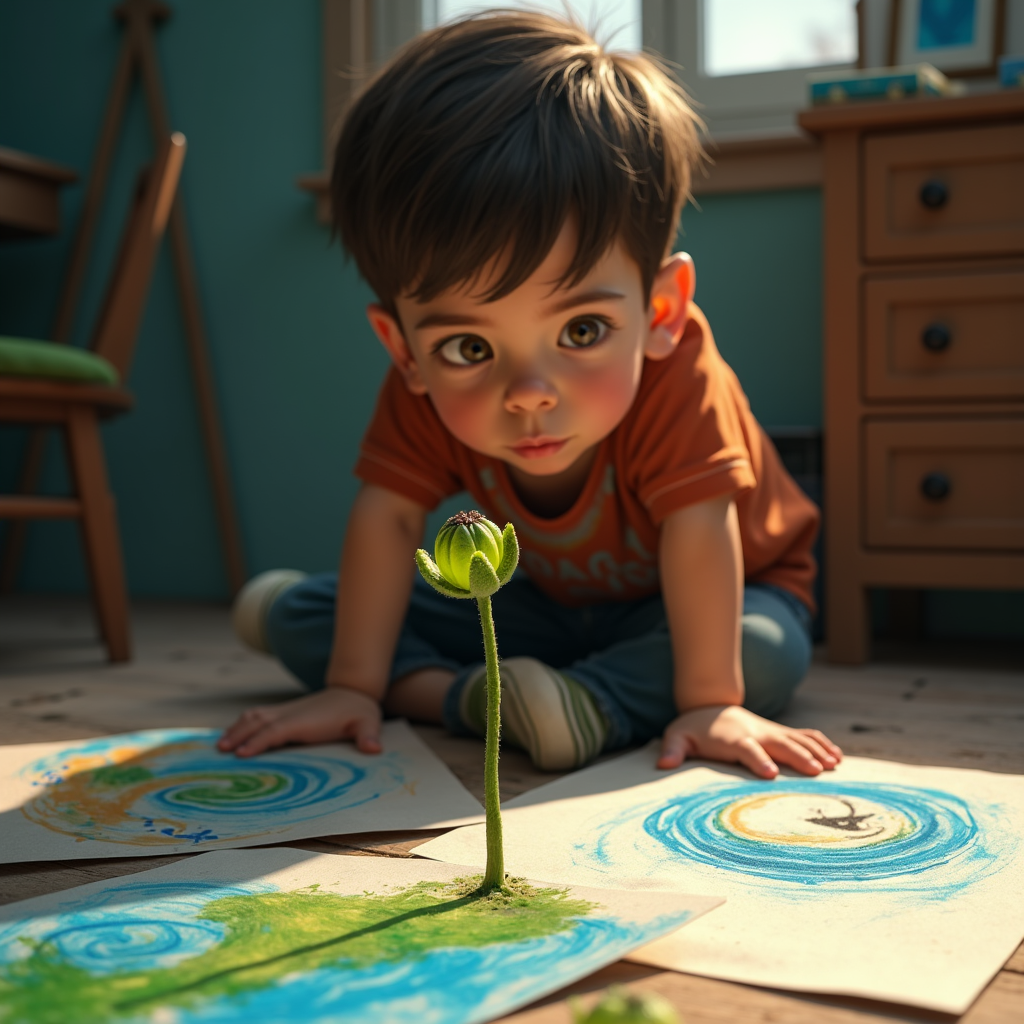
It’s just… hard, isn’t it? Let me tell you, I’ve spent a good chunk of my life watching kids wrestle with things that seem enormous to them, and honestly, it’s a little heartbreaking sometimes. Not because I’m a particularly sentimental person—though, let’s be honest, I *am* an aunt first and foremost—but because I see the quiet frustration, the little shoulders slumped, the way they try to hide it all before it blossoms into something bigger. And it’s just so important to meet them where they are, you know? To really *see* what’s going on.
This little boy, seven years old, he was just… stuck. He couldn’t quite articulate it, which, of course, is the first thing that struck me. Kids, they often don’t have the vocabulary for what they’re feeling, or the confidence to share it. It’s like a little knot in their tummy, and they don't know how to untie it. And he was frustrated with his drawings, specifically, that he just couldn’t get them right. It's a totally normal feeling, I assure you.
I’ve had so many parents come to me with similar anxieties – the worry that their child isn’t “good enough,” that they aren’t keeping up with their peers, that they're not naturally gifted. It’s a common pressure, and honestly, it’s exhausting for the child to carry. The thing is, ‘good enough’ is a pretty subjective thing, isn't it? And often, what looks like a failure to an outside observer is just a different way of seeing the world.
What I wanted to tell him—and I really do think this is key—is that it’s okay to not be perfect. Seriously. It’s *more* than okay. It's vital. He doesn’t need to be the best artist in the world. He doesn't need to win every game, or get every answer right. He just needs to try, and to have fun while he’s doing it. And to know that his mom, or his aunt, or a friend, is there to say, "That's lovely! I love the colors you used!”
It's not about fixing the drawing, or pushing him to create something “perfect.” It’s about validating his experience, acknowledging his frustration, and letting him know he's safe to feel it. We need to remind them that making mistakes isn't a failure, it's simply a step on the path to learning and growth. And sometimes, just talking about it – letting that feeling out – can make a world of difference.
Sometimes, the biggest hurdle is simply feeling heard. Kids need to know that their feelings are legitimate, that they aren’t being dismissed or minimized. A simple “I see you’re frustrated” can go a long way. It communicates empathy and understanding, and it lets the child know they're not alone in their struggles. I really believe in the power of just… listening. Truly listening, without judgment or offering unsolicited advice.
I've found that a lot of times, when a child is struggling with something, it’s not necessarily about the thing itself, but about something deeper underneath. Maybe they’re feeling insecure, or perhaps they’re worried about something else going on in their life. So, gently exploring those underlying feelings can be really helpful. It's about creating a safe space for them to be vulnerable, and for you to understand what’s really going on.
Ultimately, I think the most important thing we can do is to offer unconditional support. Let them know that we love them, no matter what, and that we’re there to help them through whatever challenges they face. A little bit of kindness, a listening ear, and a reminder that they’re capable and loved – that’s all a child really needs sometimes to find their way back to a place of joy and confidence.