Music: A Powerful Literacy Tool
Using Music to Teach Literacy Skills Okay, let’s talk about something really fascinating, and honestly, a little bit magical – how music can actually help ki...

Using Music to Teach Literacy Skills
Okay, let’s talk about something really fascinating, and honestly, a little bit magical – how music can actually help kids learn to read and write. I’ve seen it firsthand with my own nieces and nephews, and it just makes so much sense, doesn’t it? We’re naturally drawn to rhythm and melody, and it turns out those patterns are incredibly similar to the patterns we find in language. It’s not about forcing music lessons; it’s about cleverly weaving it into activities they already enjoy.
Now, you might be thinking, “Okay, but how does this *actually* work?” Well, think about it this way: letters have sounds, and those sounds form syllables, which form words. Music is fundamentally built on sequences of sounds, and we can use that to our advantage. We can introduce phonics concepts – those little building blocks of reading – through songs and rhymes.
One really simple technique is to create songs for the alphabet. You don't need to be a professional musician! Just a catchy tune with the letter names sung repeatedly. Even something as basic as "A is for Apple, B is for Ball…" can really reinforce the connection between the letter and its sound. The repetition is key, you know? Kids learn through repetition, and music provides a fantastic vehicle for it.
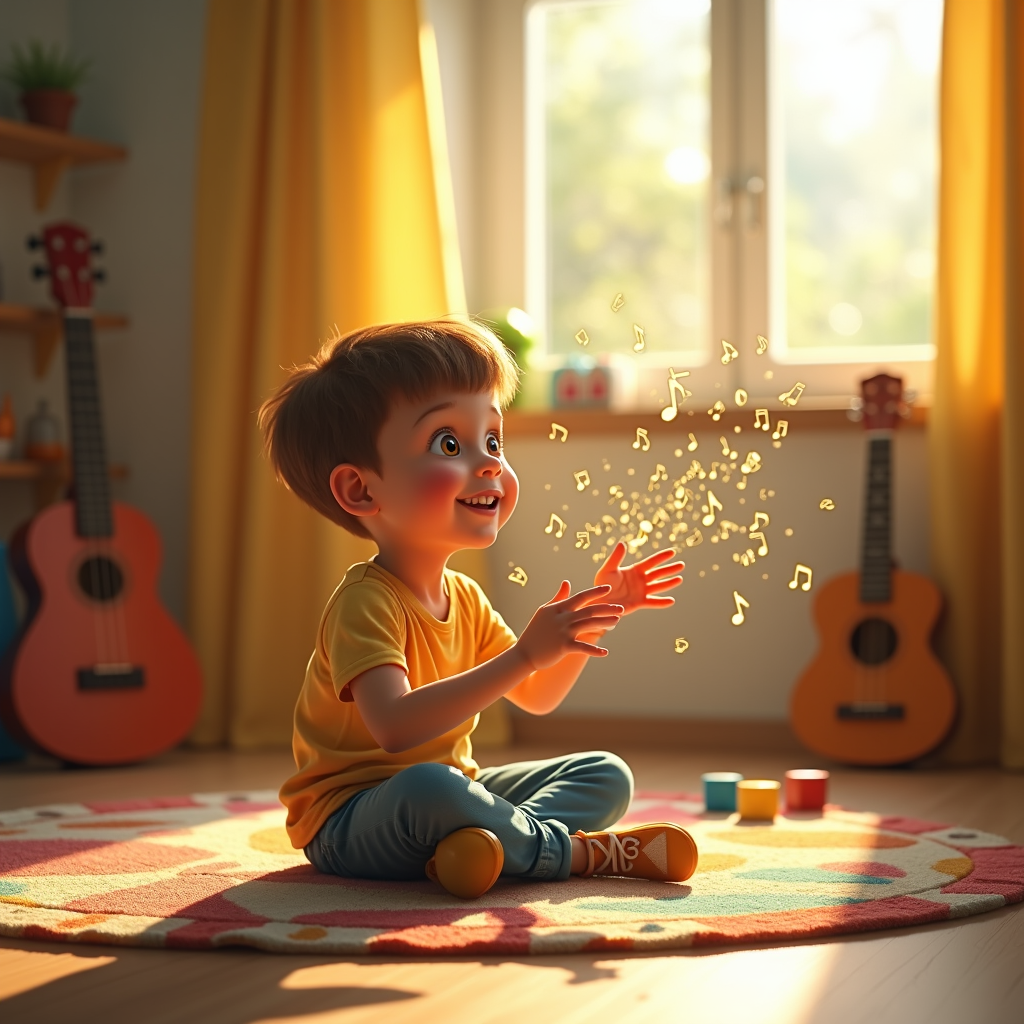
Another powerful strategy involves using rhythm to support phonics instruction. Clapping out the syllables in a word, for example, or creating a drum beat that corresponds to the sounds. “Cat” – clap, clap, clap. “Dog” – clap, clap, clap, clap. It's making abstract concepts very concrete and engaging.
And it’s not just for the very young. You can absolutely use music to support literacy skills with older children, particularly when working with more complex phonics rules or multi-syllabic words. Think about creating songs that highlight specific vowel patterns or consonant blends. It can add a whole new layer of interest and make those sometimes-tricky concepts much more accessible.
I often find that when a child is struggling with a particular word, a little musical exploration can unlock the solution. They might suddenly "get it" after hearing the word sung in a song, or after creating a rhythmic pattern with it. It’s like the music is tapping into a different part of their brain, activating the connections they need to understand.
Now, let’s talk about making this fun! Don’t turn it into a rigid, academic exercise. The goal is to foster a love of language and music, not to create a stressful learning environment. Keep it playful, keep it interactive, and let the child lead the way. They’ll pick up on the patterns much quicker than if you just lectured them about it.
And don’t underestimate the power of simple singing. Just singing familiar nursery rhymes, or even just making up silly songs with words related to the literacy activity, can be incredibly beneficial. It’s all about creating a positive association with learning.
Finally, remember to observe your child’s responses. Are they engaged? Are they enjoying themselves? Adjust your approach based on their interests and their learning style. Every child is different, and what works for one might not work for another. The key is to be flexible, creative, and, most importantly, to have fun!