Reading: Building Minds, Shaping Futures
## Nurturing Little Minds: A Few Thoughts on Reading and Growing Up You know, it’s just…remarkable, isn’t it? Seeing a child really *get* lost in a book. It’...

## Nurturing Little Minds: A Few Thoughts on Reading and Growing Up
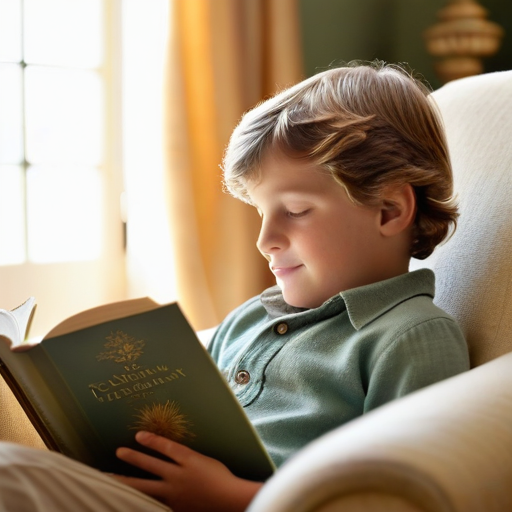
You know, it’s just…remarkable, isn’t it? Seeing a child really *get* lost in a book. It’s more than just entertainment; it’s building something truly important inside them. I’ve spent a lot of time with kids, and I’ve noticed a pattern that keeps popping up – the ones who read for fun, really *enjoy* reading, tend to blossom in ways that are just…different. It’s not magic, of course, but it’s a powerful influence.
We’ve been looking at this a lot, and the research is pretty clear: starting a love of reading early, around that nine-year mark, can make a real difference as they grow into teenagers. It’s not just about being able to read words on a page; it’s about how their brains are developing. Studies show that kids who read regularly – and I'm talking about genuine enjoyment here – have bigger brains, especially in areas linked to language, attention, and even how they process information.
It’s fascinating to see the numbers. Researchers at Cambridge and Fudan found that a consistent reading habit, somewhere around 12 hours a week, seemed to “max out” the benefits. Beyond that, and it’s a little surprising, the gains started to fade. Now, I’m not saying you have to force them to read 24 hours a day – that’s just not realistic! But it does highlight the importance of consistent engagement.
And it's not just about the quantity, it's about the *kind* of reading. We’ve seen a really interesting shift in what seems to matter. It’s not just about memorizing facts or getting through a chapter. Really engaging stories – novels, essays, even thoughtful arguments – they're the ones that seem to pack the biggest cognitive punch. Short snippets, like you see on social media, don’t quite have the same effect. They’re skimming, not really delving.
What’s particularly striking is how this early reading impacts their vocabulary. I saw a study that showed kids who read for pleasure correctly identified 26 percent more words than those who didn’t – and it wasn’t just about family background. Even kids from families with less access to books were showing a significant advantage. This really underscores the power of simply opening a book and letting a child get lost in the words.
Now, let's talk about something else that’s come up – and it’s a bit of a curveball. It turns out that *one specific genre* – classic literature – seems to have a particularly positive effect on social behavior. Kids who read these kinds of stories were found to be more prosocial and have fewer peer problems. It suggests that stepping into someone else’s shoes, even in a fictional world, can really help them develop empathy and understanding.
And it’s not just about the words themselves; it’s the *way* those stories are told. These classic novels, with their complex characters and carefully crafted plots, really force the brain to work. They encourage a deeper level of comprehension and critical thinking. It's a fantastic foundation for learning and, honestly, for life.
Ultimately, I think it comes down to nurturing a love of reading. It’s about encouraging those little minds to explore, to discover, and to find joy in the written word. A little encouragement, a cozy corner, and a good book – it’s a simple recipe for a truly remarkable childhood.