The Art of a Thoughtful “Oops”
Okay. The Art of “Oops” – It’s More Than Just Saying Sorry You know, I spend a lot of my time talking to families about their kids, and honestly, one of the ...

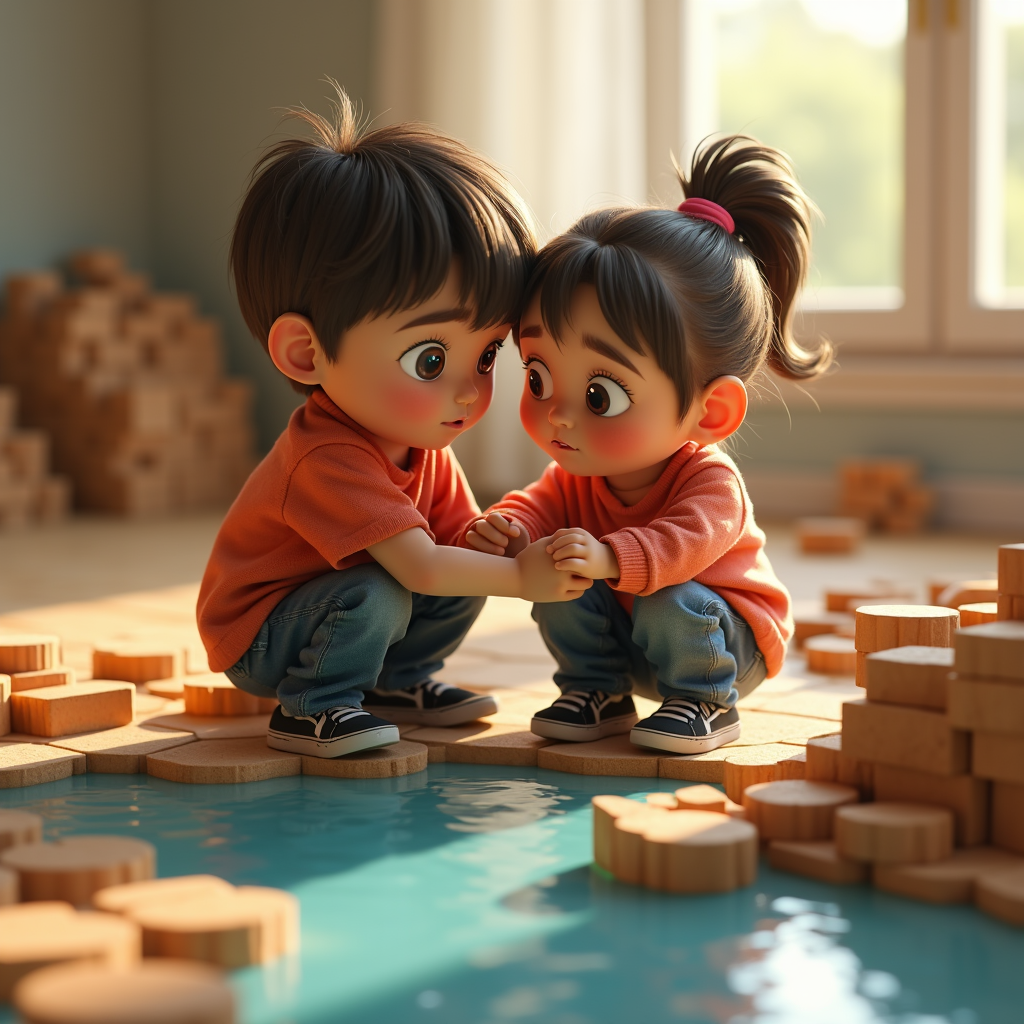
You know, I spend a lot of my time talking to families about their kids, and honestly, one of the biggest things I hear about is conflict. It’s…well, it’s just a part of growing up, isn’t it? But a *lot* of it comes down to not knowing how to handle those little bumps in the road, those moments when someone feels hurt or upset. And a really, really big part of that is figuring out how to apologize. It’s not always easy, especially for children.
Now, I see parents trying to make their kids *say* “I’m sorry,” and that's a start, absolutely. But saying the words doesn’t always *mean* anything, does it? A lot of times, it's just rote, and the other person isn't feeling better. The key, I’ve found, is to help kids understand *why* they're apologizing in the first place. It’s about recognizing that their actions had an impact on someone else’s feelings. It’s about empathy. That’s a really important skill to cultivate, you know?
Let’s think about Bluey, for a moment. She’s brilliant at this, isn’t she? She doesn’t just say “sorry” and move on. She actually *thinks* about what happened and how it made Bingo feel. She might say, “I was trying to build a tower, but I accidentally knocked it over, and I know you were really excited about it. I’m sorry I upset you.” See? It's not just the words, it’s the *understanding* behind them.
And that’s what we need to teach our kids. It’s about taking responsibility, truly. It’s about admitting, "Oops, I messed up." But it’s also about offering a solution, or at least acknowledging the other person’s feelings and saying, “I didn’t mean to hurt you.” Sometimes a hug goes a *long* way too, if it's appropriate and welcomed.
It’s fascinating to watch children process these things. They often need a little help, a little guidance. Sometimes, a simple question like, "How do you think your sister felt when that happened?" can be incredibly powerful. It forces them to step into the other person’s shoes – that’s a fundamental building block for good relationships, really.
You know, sometimes I think we adults need a little reminding of this too! We get so caught up in our own frustrations and reactions that we forget to consider the impact of what we’re doing. But the core principle remains the same: acknowledging the other person’s feelings and taking responsibility for our actions.
It’s about building bridges, not walls, after an argument. And that’s something that can be taught, practiced, and most importantly, modeled by the adults in a child’s life. A good apology isn’t a performance; it’s a genuine expression of remorse and a commitment to do better next time.
Ultimately, learning to apologize effectively is about building stronger relationships – with siblings, with friends, with classmates, and eventually, with partners and colleagues. It's a lifelong skill, and it starts with those small, everyday moments of “oops.” And who knows, maybe if we all started saying “I’m sorry” a little more thoughtfully, the world would be a slightly kinder place.