The Brain’s True Wisdom Within
The brain, you see, it’s a curious thing. We spend so much time trying to dissect it, to measure it, to quantify it with all these fancy scans and numbers. ...

The brain, you see, it’s a curious thing. We spend so much time trying to dissect it, to measure it, to quantify it with all these fancy scans and numbers. It's like trying to understand a wildflower just by holding it up to a ruler and noting the length of its petals. You miss the whole beauty of it, don’t you? You miss the way it bends to the wind, the way it drinks the sunshine.
I’ve always believed the heart knows more than the head, and lately, I’ve been giving the head a rather stern look. This business of demanding the brain apply the same standards to everyone...well, it seems a little presumptuous, doesn't it? As if we can neatly box up the human spirit and tell it, “Now, be precise! Be logical! Be predictable!” It’s a lovely thought, that striving for consistency, but life isn’t consistent, not really.
We're all different, you know. Like snowflakes, each one unique, formed by a slightly different dance of water and air. And just like those snowflakes, our brains – and our minds – are shaped by our experiences, our loves, our losses, our faith. To expect them to conform to some universal metric is to deny that beautiful, messy reality.
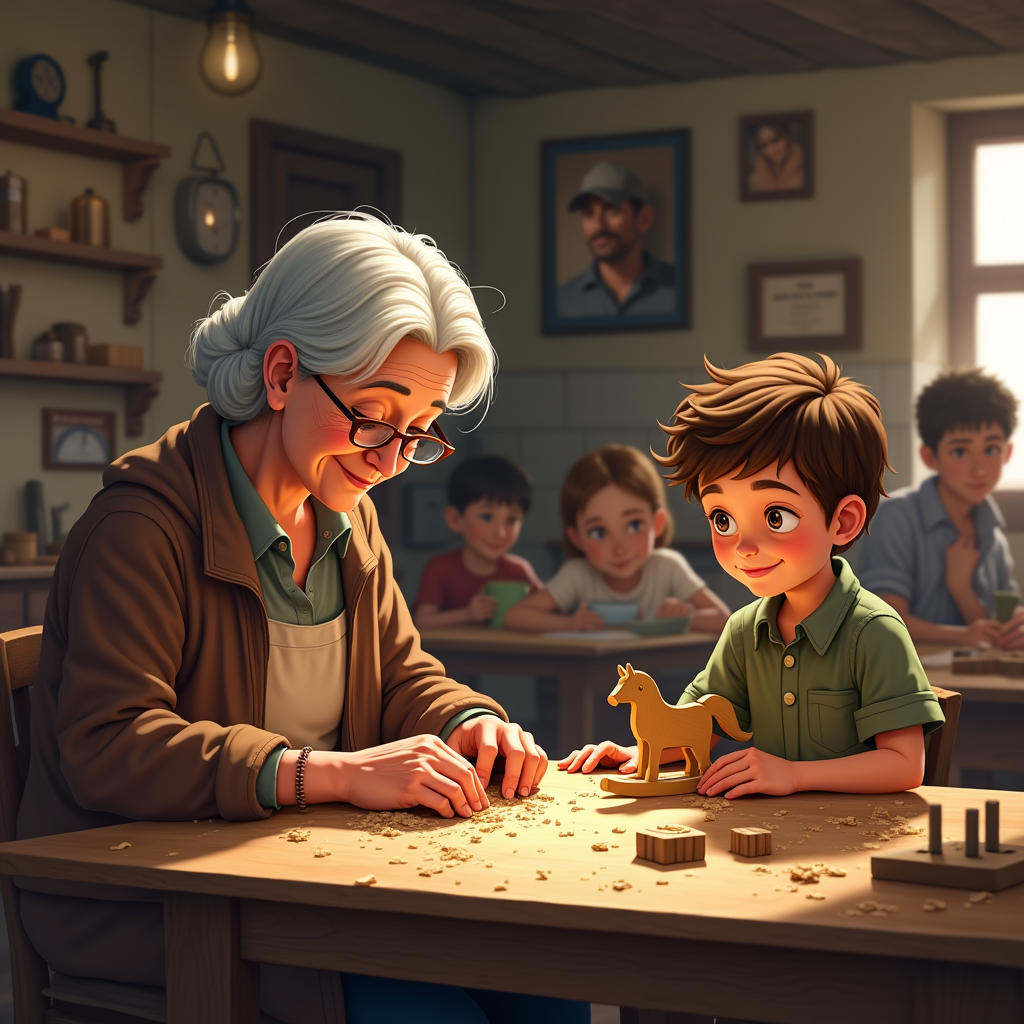
I was talking to little Timothy the other day – his grandson, bless his heart – and he was struggling with a math problem. He was getting so frustrated, so fixated on getting the *right* answer. I didn’t tell him to just keep trying. I simply said, “Sometimes, Timothy, the answer isn’t the most important thing. It’s the learning, the stretching of your mind, the perseverance. That's what matters.”
It struck me then, you see, that this research…it’s missing something vital. It's measuring differences, but not *why* those differences exist. Perhaps the brain isn’t failing, perhaps it's simply operating in ways that are uniquely its own. Maybe the 'standards' we're so anxious to apply are rooted in our own limited understanding of what it means to be human.
I’ve spent a lifetime observing people, watching them navigate their lives with their own special brand of wisdom. My husband, God rest his soul, was a carpenter. He didn’t measure twice and cut once; he’d often adjust his measurements on the fly, guided by his eye and his feel for the wood. He wasn't wrong, you understand, he just wasn’t beholden to rigid rules.
It reminds me of a story my father used to tell, about a shepherd who tried to herd his flock with a complicated set of instructions. The sheep, naturally, scattered. But the shepherd, he finally realized, just needed to listen to his sheep – to understand their needs, their instincts. The same is true, I suspect, of our minds.
We need to treat each individual with a gentle curiosity, a willingness to acknowledge the complexities of their journey. To judge them by a single standard is not only unkind, it’s simply not true. There’s room for all kinds of brilliance, all kinds of struggle, all kinds of grace. And maybe, just maybe, the most valuable thing we can offer is simply our understanding, our acceptance, and our faith in the inherent goodness of the human spirit.