The Child Shapes the Parent
Sometimes, it’s a humbling thing to realize you’ve been looking at something sideways for years. I remember sitting with Kevin just last week, watching him p...

Sometimes, it’s a humbling thing to realize you’ve been looking at something sideways for years. I remember sitting with Kevin just last week, watching him pace the kitchen floor, completely worn out after Eli’s first day. He'd been expecting – *needing* – a little boy full of sunshine and excitement. Instead, there was… a different kind of day. A day that left a mark, and a father wrestling with how to respond.
We’ve always taken the conventional wisdom as gospel, haven’t we? That a child’s behavior is a direct reflection of how they’re raised. That inconsistent rules, a lack of boundaries, that’s what leads to tantrums and defiance. I’ve seen it, of course, in my years teaching. I’ve seen the children who seemed to carry a weight of frustration, often stemming from homes where expectations were unclear, or punishments unpredictable. And I always thought, "Bless their hearts, they need stability."
But recently, I’ve been reading about research that turns that idea on its head. It seems it's not always the parent leading, but sometimes, the child guiding the dance. It’s a surprising thought, and frankly, it makes a lot of sense when you consider the family dynamics I’ve witnessed, both in my classroom and in my own home.
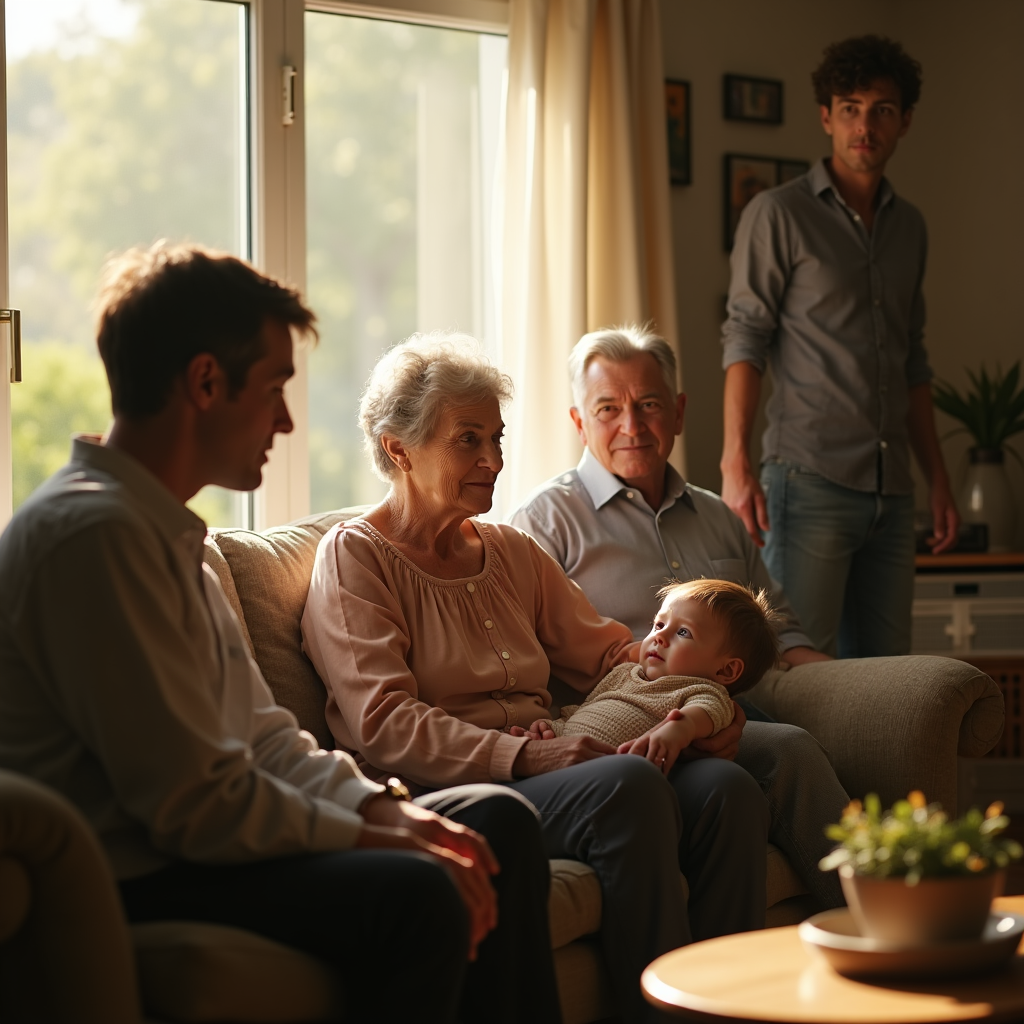
Think about Jerry, for example. He's always been a patient man, a quiet observer. But when Lily arrived, that stillness shifted. There was a gentleness to him that I hadn’t quite noticed before, a willingness to adapt, to anticipate her needs, even before she voiced them. He held her on the couch that afternoon in Ponte Vedra, for hours, just rocking and murmuring. He didn’t *try* to be that way; it simply…emerged. It was as if her presence, her very being, shaped his actions in a quiet but undeniable way.
And it's not just about temperament, I suspect. There's a current, a shared thread that runs through families, a predisposition, if you will. We inherit more than just eye color and a tendency for stubbornness, don't we? We inherit patterns of behavior, ways of interacting, that influence how we respond to one another. That’s why I told Jerry in November that I thought retirement would be good. He just smiled and said he'd been waiting for me to notice. He knew, instinctively, that something was shifting.
It doesn’t mean that good parenting is unimportant, mind you. Structure and guidance are still vital. But it does suggest that we need to be more mindful, more attuned to the influence our children have on us. It’s a reciprocal relationship, a constant negotiation, not a one-way street. Kevin, struggling with Eli, is a perfect example. He’s trying to be the steady, supportive father he believes Eli needs, but it takes a certain awareness to recognize that Eli is also shaping *his* response.
Perhaps, in the future, we can shift the focus of parenting interventions. Instead of just telling parents to be consistent, we could teach them to be *responsive* – not just to their children's needs, but also to the impact their children have on them. How to acknowledge, and perhaps even adjust, their own expectations in light of what their child is truly communicating. It’s about recognizing the whole, complex interplay of a family.
It makes you wonder about all those years I spent dispensing advice to young parents, doesn’t it? I suppose I was offering what I thought they needed, but maybe I should have been asking, "What do *they* need from *you*?" A lesson learned late in life, but a lesson worth knowing. And maybe, just maybe, a little more grace for those weary parents trying their best, even when their best looks different than they imagined.