The Spark of Learning: Making Knowledge Stick
Sometimes, I feel like I’m teaching the same lesson five times a week, and each time, it's like the kids are hearing it for the very first time. Not because ...

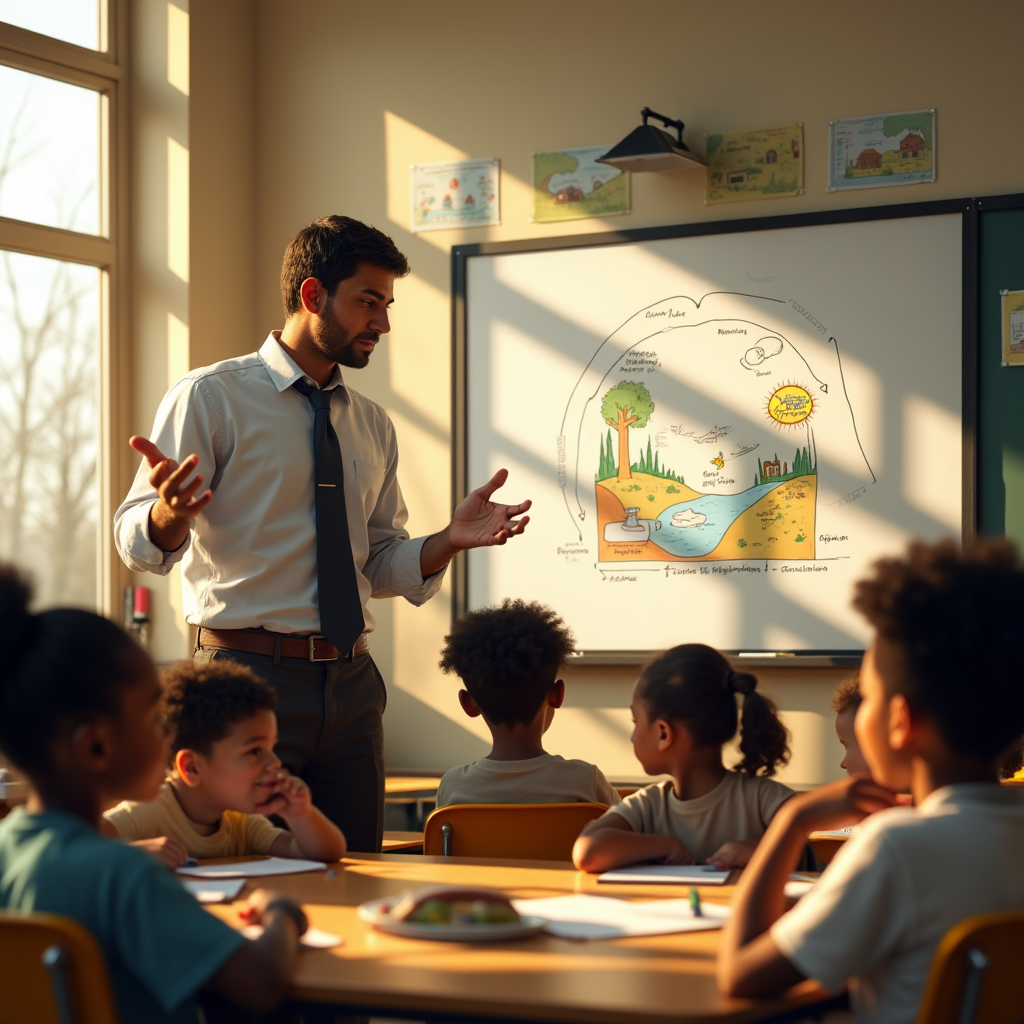
Sometimes, I feel like I’m teaching the same lesson five times a week, and each time, it's like the kids are hearing it for the very first time. Not because I’m a bad teacher – I don’t think – but because the human brain is just… weird. We stand there, reciting multiplication tables, explaining the water cycle, and the next day? Blank stares. It's not a failure on their part, or mine. It’s just how things *work*.
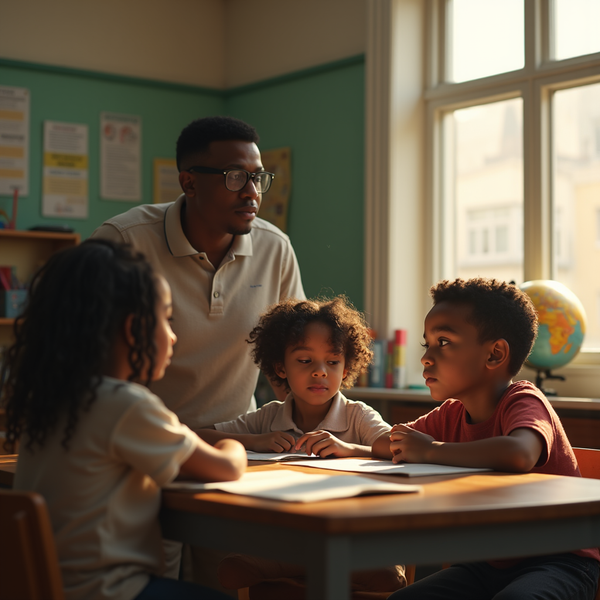
I used to get frustrated, I’ll be honest. Especially back in South Jersey. Everything was so scripted, so… managed. If a kid seemed lost, you were supposed to have a pre-approved intervention, a pre-approved worksheet. It felt like we were trying to force a square peg into a round hole, and the peg was, invariably, a fifth-grader trying to understand fractions. Here, in West Philly, there's a looseness, a willingness to let things unfold. It's better for them, I think, but it also makes you think harder about how things actually stick.
It’s not that kids aren’t learning. They are. They’re absorbing, observing, reacting. But what *stays*? What actually makes its way into that quiet place where memories live? I’ve noticed it even with myself – I’ll read a chapter in a book, convinced I understand it completely, only to realize later that I’ve absorbed almost nothing. That’s a problem, isn't it? A problem for students, for adults, for everyone who’s ever tried to learn something new.
One of my third graders, Malik, he’s got this incredible memory for baseball stats. Like, unbelievable. He’ll rattle off batting averages and earned run averages with a confidence that’s frankly intimidating. And I started thinking about that – why baseball? Why not history? Why not the capital of Iowa? It’s not a lack of intelligence. It’s something else. Something about the way baseball stats are presented, the way they repeat, the way they feel… *connected*.
I remember when I first started driving out here. I kept making mistakes, missing turns, ending up on the wrong side of the Schuylkill. It was awful. I felt lost. Then, I started paying attention. Not just to the street signs, but to the little things – the way the sun hit the buildings, the rhythm of the traffic lights, the color of the awnings on the corner stores. Slowly, those details built a mental map. It wasn’t just rote memorization anymore; it was understanding.
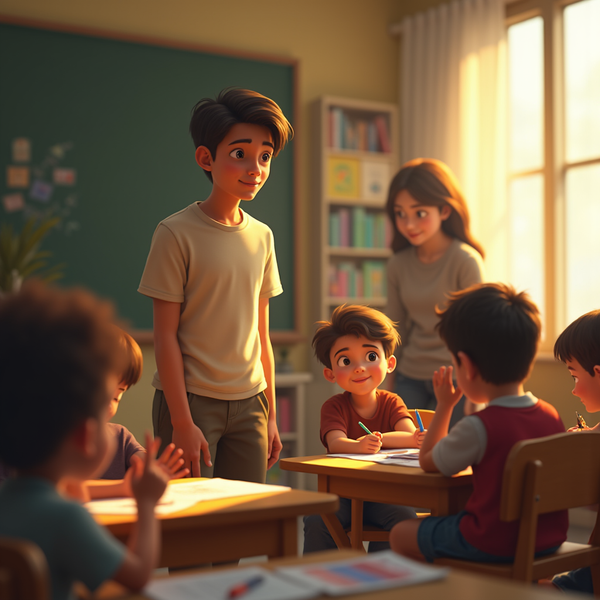
There's a feeling in the room sometimes, a kind of quiet hum when they're *really* getting it. It’s not just about reciting facts; it’s about making connections, seeing the bigger picture. And that, I suspect, is the key to retention. It’s not about cramming information into your head; it’s about weaving it into the fabric of what you already know. That’s why sometimes, the tangents we go on – the brief discussions about how multiplication relates to baking, or how the water cycle connects to the weather – those are the moments that truly stick.
I’ve been trying different things with the kids – short, focused bursts of instruction, followed by opportunities for them to explain the concepts in their own words. We’re drawing diagrams, building models, acting out scenarios. It's a lot more chaotic than the scripted lessons I used to teach, but I’ve seen a difference. They're not just memorizing; they're *doing*. They’re making the information their own.
It's not a perfect system, and I’m still figuring things out. But it's a reminder that learning isn’t about filling an empty vessel; it’s about igniting a spark. And forgetting? It’s not a failure. It’s just part of the process. It’s a reminder to find new ways to ignite that spark, to build those connections, to make sure the information doesn't just disappear into the void. It’s a challenge, definitely, but it's also what makes teaching worthwhile.